Buying Guide
The best storage keyboard benches should match the height of the instrument, the number of players, and the amount of music material you want nearby. This comparison uses public listing information rather than hands-on testing or customer opinions. The evidence covers single-seat benches, duet benches, adjustable mechanisms, padded upholstery, hidden compartments, and floor-protection details.
Match the bench to the playing arrangement
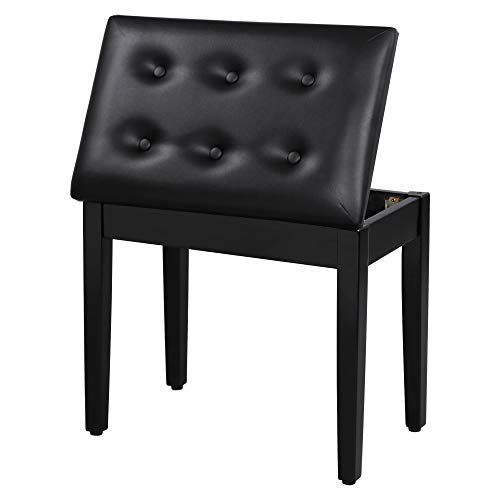
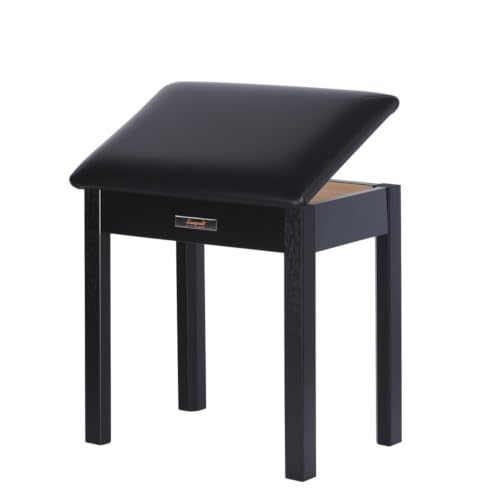
A single bench is generally easier to fit in a smaller music room. Sanpuli and SONGMICS are solo-oriented choices, while AW adds height adjustment without moving to a full duet format. These designs may suit a player who normally practices alone and keeps a keyboard in a fixed position.
Duet benches provide more lateral room. Donner, HOMBYS, VEVOR, Korrie Home, and the FILISITE models document wider seating intended for two users. HOMBYS lists a 27.5-inch seat, VEVOR describes a 26.5-inch seat, and the genuine-leather FILISITE model lists a 32.3-inch seat. Wider benches can also give one player more room, but they need more clearance beside the instrument.
Check height before choosing upholstery
Height is a central fit factor. Adjustable designs can help when different people use the instrument or when the keyboard stand has an unusual position. Donner’s adjustable duet bench ranges from 19.5 to 23 inches. HOMBYS adjusts from 20 to 24.8 inches, while the adjustable FILISITE listings cover approximately 19.7 to 23.6 inches. VEVOR offers 20.3 to 23.4 inches, and AW lists 18 7/8 to 22 13/16 inches.
Fixed-height benches can work when the player and instrument are already matched. Compare the bench height with the keyboard stand and the player’s normal posture before ordering. Korrie Home and SONGMICS are listed at 19.5 inches high, while Sanpuli is listed at 18.7 inches. The AW listing contains conflicting dimensional information, so verify the assembled size.
Assess the storage compartment
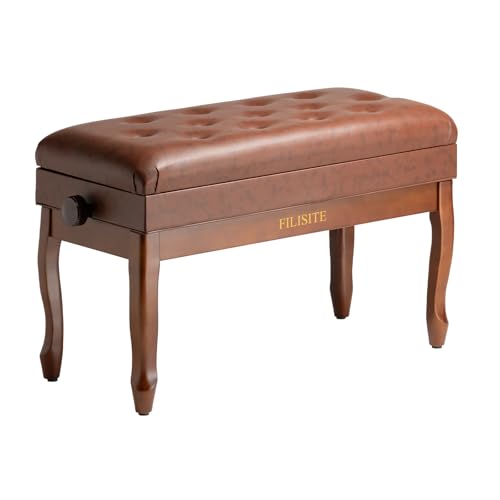
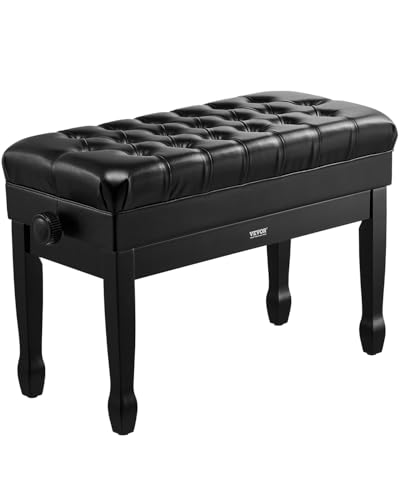
Under-seat storage is useful for sheet music, method books, metronomes, and small accessories. Give preference to listings with internal measurements when you need to store a particular binder or book. VEVOR documents a 26.5-by-11-by-2-inch compartment. The adjustable FILISITE wood model lists a 29.1-by-13-by-2.4-inch compartment, and the genuine-leather FILISITE model lists a 29.1-by-13-by-1.77-inch space.
Donner describes its adjustable duet compartment as suitable for multiple music books and identifies a bracket lock for the lid. HOMBYS describes a quiet-closing lid. Other products confirm hidden or under-seat storage without giving internal dimensions. Those claims support general organization, but they do not establish that a large binder will fit.
Compare construction and stated capacity
The listings mention solid wood, oak, steel, metal lifting mechanisms, PU leather, synthetic leather, and high-density or high-resilience foam. Donner’s adjustable duet model combines solid wood with a metal lifting mechanism and states a 600-pound capacity. HOMBYS uses a steel frame, while VEVOR states a 400-pound capacity. These are listing specifications, not independent load tests.
Solid-wood construction is documented for Sanpuli, Donner, AW, SONGMICS, Korrie Home, and the FILISITE models. Korrie Home specifically identifies kiln-dried oak legs and reinforced joints. Upholstery differs by model: the FILISITE genuine-leather bench identifies genuine leather, while several other products use PU or synthetic leather. A wipe-clean or waterproof surface may be convenient, but the listings do not establish long-term wear results.
Review floor and assembly details
Rubber feet or pads may matter on wood, laminate, or finished flooring. Donner, Sanpuli, AW, SONGMICS, Korrie Home, and FILISITE describe rubber feet or floor-protection pads. HOMBYS describes rubber feet that help stabilize the bench. The supplied VEVOR evidence does not specify floor protectors. These details describe the design; actual floor behavior can depend on the surface and how the bench is moved.
Assembly is generally limited to attaching legs. Donner’s fixed duet bench says it uses a provided wrench, and both FILISITE models describe installation without drilling. SONGMICS includes a required tool, while Korrie Home describes pre-installed bolts. Confirm package contents and instructions before assuming a particular setup process.
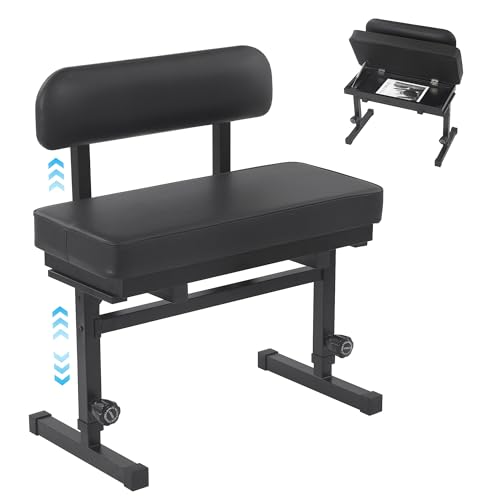
Measure width, depth, height, and clearance behind the player. Duet benches such as HOMBYS, VEVOR, Korrie Home, Donner, and the FILISITE models require more lateral room than a single-seat bench. Back support also changes room planning: HOMBYS includes an adjustable backrest, while the other selected products are presented as backless piano or keyboard benches.
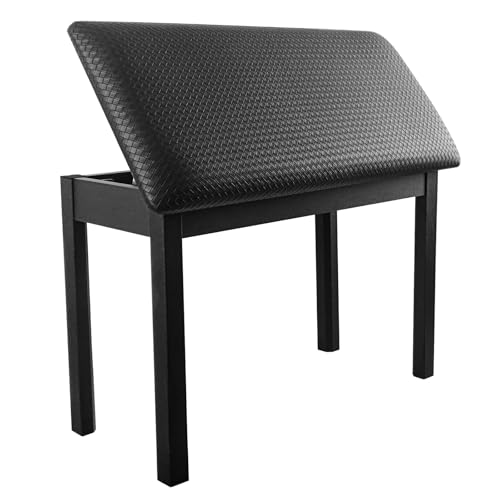
Consider how often the bench will move. The selected products vary in listed weight, with back-supported and adjustable models generally requiring more planning for repositioning. Keep the bench centered with the keyboard and check that the storage lid can open without striking a wall or stand.
Final Recommendation
Donner Adjustable Duet Piano Bench ranks first overall in this specification-based comparison under the published weighted criteria.
Donner Adjustable Duet Piano Bench is the first overall specification-based choice in this comparison.
Among the best storage keyboard benches, the Donner model combines adjustable height, duet seating, a stated 600-pound capacity, storage, high-density cushioning, rubber feet, and a metal lifting mechanism. It is a strong fit for shared lessons or practice areas where height flexibility matters.
HOMBYS is a suitable alternative when extra-wide seating and back support are priorities. The genuine-leather FILISITE model emphasizes a broad seat and specified upholstery, while VEVOR and the adjustable FILISITE wood bench provide useful height ranges and documented compartment dimensions. For a more compact solo setup, AW, SONGMICS, and Sanpuli avoid the full width of a duet bench. Korrie Home and the fixed Donner duet bench suit buyers who prefer a traditional storage bench without an adjustable mechanism. These top storage keyboard benches illustrate the main documented trade-offs: seat width, height adjustment, storage access, construction, and room size.
Frequently Asked Questions
Are the best storage keyboard benches suitable for digital keyboards?
Yes. Several selected listings identify keyboard use alongside piano use, including AW, SONGMICS, Sanpuli, Korrie Home, Donner, VEVOR, and FILISITE. Compatibility still depends on the height of the keyboard stand and the player’s preferred posture. Measure the complete setup rather than assuming a fixed-height bench will fit.
Is an adjustable bench better than a fixed-height bench?
An adjustable bench offers more control when multiple people use the instrument or when the keyboard stand has a different height. Donner, HOMBYS, VEVOR, AW, and FILISITE document height ranges. A fixed bench can work well when the player and instrument are already matched and may provide a simpler design.
How much storage do these benches provide?
Storage varies. VEVOR lists a 26.5-by-11-by-2-inch compartment; the adjustable FILISITE wood model lists 29.1 by 13 by 2.4 inches; and the genuine-leather FILISITE model lists 29.1 by 13 by 1.77 inches. Other listings describe room for sheet music, books, or accessories without giving measurements. Measure large books or binders if exact fit matters.
Do duet benches seat two people?
The duet-labeled products are designed and described for two-person use. HOMBYS documents a 27.5-inch seat, VEVOR describes a 26.5-inch seat, and Donner, Korrie Home, and FILISITE identify duet seating. These are listing descriptions rather than independent seating tests. Check the stated capacity where provided and leave enough room for both players.
What should I check before ordering?
Confirm the assembled width, depth, and height; compare the height with the keyboard stand; and check whether the storage compartment can hold your music materials. Review the upholstery and frame materials, look for rubber feet if floor protection matters, and check the assembly instructions. For AW, verify the final measurements because the supplied listing contains conflicting dimensional information.