Buying Guide
The best face masks for uneven skin tone are not all built for the same job. The products in this comparison range from short-contact acid masks to hydrating sheets, hydrogel treatments, clay formulas, and overnight films. Start with the type of discoloration or dullness you want to address, then consider how much exfoliation and moisture your routine can accommodate.
Sheet masks are the simplest option when you want a pre-cut treatment with a defined wear window. SKIN1004 lists a 10- to 20-minute application, while SKINFOOD describes a five- to 10-minute routine. MEDIHEAL also uses a 10- to 20-minute sheet application. These formats generally emphasize essence delivery, hydration, and short sessions rather than deep cleansing.
Hydrogel masks offer a different feel and may provide more extended contact. THE FACE SHOP documents a two-hour or overnight option, and AROCELL uses a two-piece full-face hydrogel design with 43g of essence per mask. A two-piece construction can help separate upper- and lower-face placement, but it adds an extra positioning step.
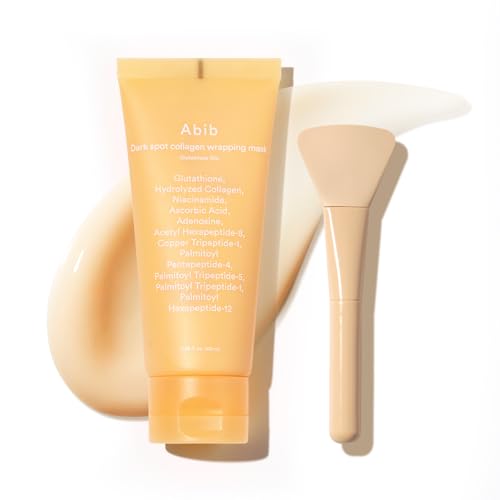
Wrapping masks dry into a film. Abib supplies a silicone brush and allows either a 40-minute or overnight application. These masks suit users who prefer a leave-on treatment, although peelable or film-forming textures require a removal step.
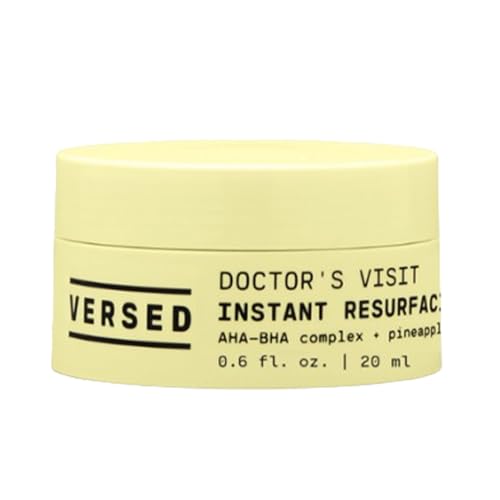
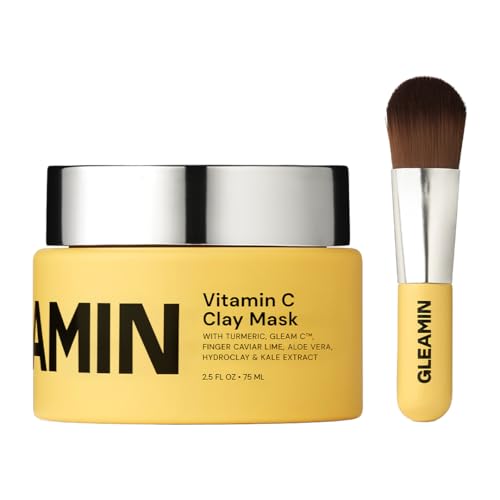
Rinse-off masks are often better for users who want cleansing or exfoliation. Versed is designed for a two- to three-minute session, Sweet Chef combines polishing particles with AHAs, and Gleamin uses clay for oil and pore care. Clay and scrub formats can feel less hydrating than essence-heavy sheets, so they may fit best when surface buildup or excess oil is part of the concern.
Choose the active profile carefully
For tone-focused care, look for ingredients that the listing specifically connects with radiance, discoloration, or uneven tone. Niacinamide is present in several selected formulas, including MEDIHEAL, SKINFOOD, Abib, and Vitamasques.
Vitamin C appears in the MEDIHEAL, SKINFOOD, Sweet Chef, and Gleamin listings. These products differ substantially in format: MEDIHEAL and SKINFOOD use sheets, Sweet Chef adds physical polishing and AHAs, and Gleamin uses a clay base. The ingredient alone should not determine the choice; the surrounding formula and application method matter too.
Consider exfoliation and texture needs
If uneven tone comes with roughness, look for a documented exfoliating system. Versed provides the clearest acid-and-enzyme approach with glycolic acid, lactic acid, salicylic acid, and pineapple and papaya enzymes. Sweet Chef combines AHAs with rice and maca powders, while Vitamasques lists AHA, BHA, and PHA in a sheet mask.
More exfoliation is not automatically better. The Versed directions specifically advise avoiding other acid products and retinoids for 24 hours before and after use. That instruction illustrates why an acid mask should be placed deliberately within a routine. With Sweet Chef, the listed two- to three-times-weekly guidance and combined scrub-and-acid design also call for gentle use. Users who already use exfoliating products may prefer a hydrating sheet or hydrogel on other routine days.
Weigh hydration and barrier support
A mask can address a tone concern while still supporting a comfortable-feeling routine. SKIN1004 emphasizes concentrated essence and moisture balance. THE FACE SHOP lists hyaluronic acid, while MEDIHEAL includes niacinamide and panthenol in its Vitamin C Wrapping Serum formula.
Clay masks serve a different purpose. These products may be useful when cleansing is a priority, but a clay mask is not the same as a moisture-first hydrogel or sheet. Choose according to the balance your routine needs.
Check use instructions and sensitivities
Follow the supplied directions rather than extending wear time. Sheet masks should be positioned away from the eyes and mouth, and rinse-off products should be removed as directed. Versed gives the most explicit interaction caution in this group, while Abib and THE FACE SHOP provide specific extended-wear instructions.
The listings describe several products as suitable for all skin types or dermatologist tested, but those statements do not predict individual tolerance. A formula containing acids, enzymes, vitamin C, kojic acid, or multiple brightening actives may feel different from a simple hydrating sheet. Patch testing and introducing one new product at a time are sensible ways to keep the routine easier to assess.
Final recommendation
MEDIHEAL Vitamin C Wrapping Serum Face Mask ranks first overall in this specification-based comparison under the published weighted criteria.
Versed Doctor’s Visit Skin Resurfacing Face Mask is the first overall specification-based choice among these best face masks for uneven skin tone because its AHA, BHA, and enzyme system is documented alongside precise timing and usage precautions. It is particularly well matched to dullness paired with uneven texture.
For a gentler moisture-led approach, SKIN1004 Tone Balancing Mask is the clearest alternative, with direct uneven-tone positioning, MadeWhite, Madagascar Centella, and concentrated essence. MEDIHEAL Vitamin C Wrapping Serum Face Mask is a strong option when you want detailed vitamin C, niacinamide, PHA, and LHA specifications in a thin sheet.
Choose AROCELL Mela TXA Brightening Hydrogel Mask when ingredient detail and a two-piece hydrogel design are priorities. THE FACE SHOP fits longer hydrogel sessions, while Abib suits users who prefer a cream-to-film overnight treatment. SKINFOOD is the practical choice for short sheet sessions, and Sweet Chef is better suited to a polishing routine.
Gleamin stands out for clay-based pore and oil care, while Vitamasques combines sheet convenience with AHA, BHA, and PHA. Together, these are the top face masks for uneven skin tone in this specification-based comparison, but the best match depends on whether your routine needs exfoliation, hydration, cleansing, or extended wear.
Frequently Asked Questions
What should I look for in the best face masks for uneven skin tone?
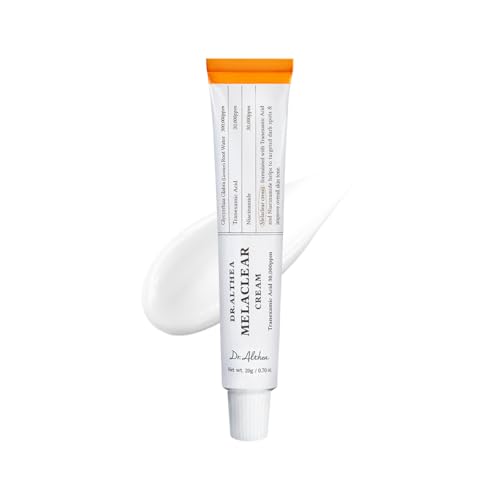
Start with a documented tone-care ingredient and then check the complete format. Vitamin C, niacinamide, tranexamic acid, glutathione, and brightening complexes appear across the selected products. If rough texture is also a concern, consider acids or enzymes, but compare those actives with the rest of your routine. A sheet or hydrogel may be more appropriate when hydration is the main goal.
Are sheet masks or clay masks better for uneven tone?
Neither format is universally better. Sheet masks such as SKIN1004, SKINFOOD, MEDIHEAL, and Vitamasques emphasize essence delivery and short sessions. Clay masks such as Gleamin focus more on oil absorption, pore care, and cleansing. Select the format that matches your supporting concern rather than choosing by mask type alone.
How often should an exfoliating face mask be used?
Use the directions for the specific product. Versed specifies a weekly two- to three-minute application and cautions against nearby acid or retinoid use. Sweet Chef lists two to three uses weekly, while Gleamin lists two to three weekly applications. Because formulas differ, do not transfer one product’s schedule to another, and introduce active masks gradually.
Can an overnight mask replace a moisturizer?
They do not establish that any of these products replaces every moisturizer or suits every routine. Treat an overnight mask as a separate leave-on step and follow its directions, especially if your existing routine contains other active ingredients.
Which of these masks also addresses texture?
Versed has the most specification-aligned documented exfoliating profile, with glycolic acid, lactic acid, salicylic acid, and fruit enzymes. Sweet Chef combines AHAs with rice and maca powders, and Vitamasques lists AHA, BHA, and PHA. MEDIHEAL also includes PHA and LHA. These options are more texture-oriented than a purely hydrating sheet, so use them with appropriate routine spacing.