Buying Guide
Choosing among the best women’s wigs starts with the construction rather than the color shown in a listing image. The products here cover human-hair lace fronts, heat-resistant synthetic styles, short bobs, long waves, bangs, and a pre-styled braided design. Treat the specifications as the comparison foundation: material, lace dimensions, cap hardware, length, density, and documented styling instructions tell you more about intended use than a broad style label.
Choose the hair material first
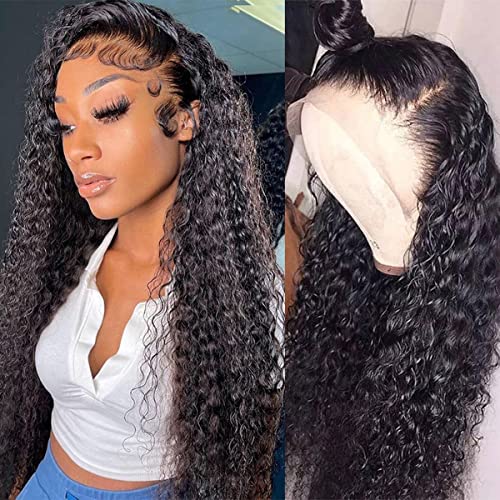
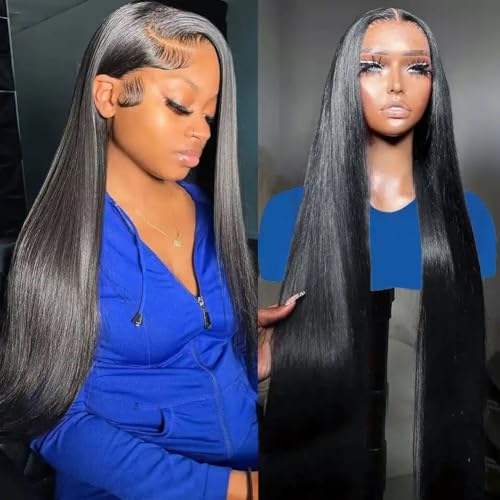
Human hair is the most flexible material represented in this selection. MUZOJET, Fongly, WPPIKK, and NKTU are described as using Brazilian virgin or unprocessed human hair. Their listings also document options such as curling, straightening, dyeing, or other restyling. Those features make human-hair designs suitable when you want to change the texture or create more than one finished look.
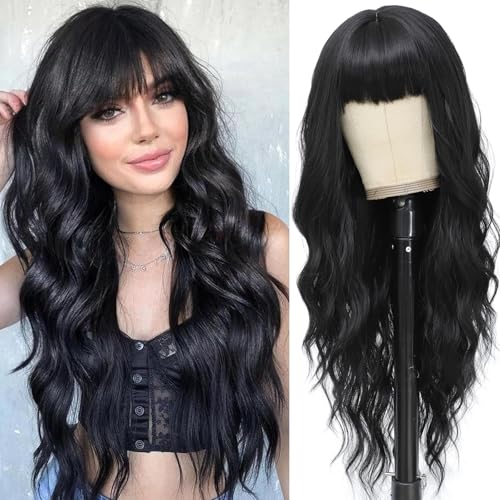
Synthetic fiber is a different design choice, not simply a lesser version of human hair. BrownBomb, WIGAGA, WERD, MINSEEYOO, quickwig, and Frodio use synthetic fibers or describe synthetic construction. Synthetic styles can preserve a designed wave, curl, bang, braid, or color pattern. Frodio’s cornrow design is pre-styled, while MINSEEYOO arrives with bangs and quickwig uses a compact bob shape. Choose synthetic construction when the listed silhouette already matches the look you want and you prefer not to rebuild the style.
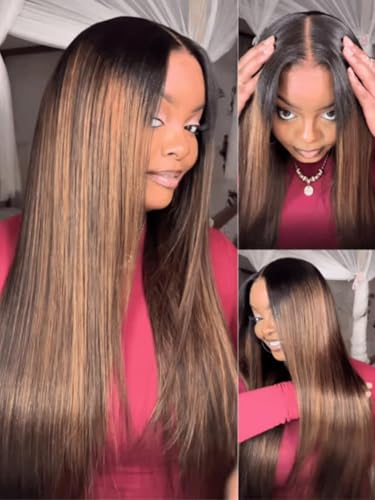
Heat-resistant wording still needs careful reading. WIGAGA and BrownBomb document heat-resistant fibers, but that does not make them equivalent to human hair or indicate unlimited heat use. Follow the product-specific instructions and treat the stated fiber type as a limit on customization.
Compare lace size and hairline details
Lace size affects how much of the front can be parted or positioned. The selected human-hair lace fronts include 13x4 and 13x6 designs. MUZOJET and Fongly use 13x6 lace, while WPPIKK and NKTU use 13x4. A 13x6 area is generally the more flexible documented construction in this group because it supplies a deeper lace zone. The listings also mention details such as pre-plucking, baby hair, slightly bleached knots, simulated scalp, or HD transparent lace.
A smaller lace part can still be appropriate. WERD documents a small lace scalp part and hand-tied hairline, while quickwig uses a small handmade lace area at the side part. These designs are more focused: they provide a defined placement rather than the broad parting layout of a frontal. Bangs can serve a similar purpose. MINSEEYOO’s full fringe reduces the need to customize the front, although it also narrows parting choices.
Lace terminology describes construction, not a guarantee of an invisible result. Skin tone, placement, cap fit, and personal preparation affect how the hairline appears. Use the documented lace dimensions to estimate flexibility, and do not treat promotional descriptions as hands-on verification.
Match cap hardware to your routine
Look for the actual securing components. MUZOJET lists three combs and adjustable straps; Fongly lists four combs, adjustable straps, and an elastic band; WPPIKK lists four combs and an adjustable band. These options can help you fine-tune the fit, but they also add internal components that some wearers may notice.
The synthetic options use several different approaches. BrownBomb describes a full elastic 3D dome cap with a removable band and no internal clips or combs. WIGAGA lists a breathable 3D dome cap, four combs, and adjustable straps. WERD uses a breathable rose-net cap, and MINSEEYOO combines an elasticated rose net with internal adjustable straps. quickwig lists two straps and three combs. Frodio’s supplied evidence emphasizes the HD lace frontal and pre-styled braid pattern but does not provide the same detailed measurement or hardware list, so confirm fit information before relying on it.
Most selected products document a medium or average cap around 21.5 to 22.5 inches. That is useful for comparison, but it is not a substitute for measuring your head. Check the circumference guidance, account for your own hair underneath, and give priority to listings that specify both the measurement and the adjustment method.
Select length and texture deliberately
Long lengths dominate this group: several choices are 26 inches, while Frodio is 24 inches and MUZOJET is listed at 26 inches. Long body waves, deep waves, and loose waves create more movement and visual volume, but they also present more hair to detangle and maintain. Fongly’s 200% density is specifically positioned as a full and thick construction, so it may feel more substantial than a lower-density design.
Shorter options create a different routine. quickwig’s 16-inch bob is the most compact selected style and uses a side part. It may be easier to handle than a 26-inch wig, while still providing a wavy shape. BrownBomb and WIGAGA offer long straight silhouettes with layered or gradient color details. WPPIKK, NKTU, and MUZOJET are better aligned with shoppers who want human-hair texture and the option to reshape it.
Bangs, braids, and fixed wave patterns are styling decisions. MINSEEYOO’s bangs frame the face but reduce parting choices. Frodio’s cornrow pattern is distinctive and arrives pre-styled, but it is not intended to provide the same loose-hair options as a body-wave lace front.
Plan care around the documented design
Human-hair wigs can be washed and restyled according to the supplied descriptions, but their texture still needs care. WPPIKK specifically advises deep conditioning, and NKTU describes maintenance aimed at preserving its deep-wave pattern. Handle lace gently, use the appropriate comb for waves or curls, and avoid assuming that a product’s general durability wording replaces care instructions.
Synthetic wigs generally retain the shape supplied by the manufacturer. Frodio emphasizes retaining its curl pattern, while WERD and MINSEEYOO describe lasting wavy styles. Even so, synthetic fiber can be affected by heat, friction, and rough brushing. Use a wide-tooth comb or fingers where the listing recommends it, and follow any stated temperature limit for heat-resistant products.
Color is another care consideration. WIGAGA’s honey-blonde highlights, BrownBomb’s Cooper Blonde gradient, and the black or natural-color options elsewhere in the list are specified appearances, not promises that every screen will display them identically. Compare the listed color name with the product images and remember that monitor settings can vary.
Final Recommendation
MUZOJET 13x6 Body Wave Lace Front Wig ranks first overall in this specification-based comparison under the published weighted criteria.
MUZOJET 13x6 Body Wave Lace Front Wig is the first overall specification-based choice among these best women’s wigs because it combines human hair, 13x6 HD lace, 180% density, pre-plucked details, and extensive documented styling flexibility. Fongly is an alternative for a fuller 200% density, while WPPIKK suits shoppers who want a wet-and-wavy human-hair texture with multiple restyling options.
NKTU is the focused deep-wave pick, and Frodio stands apart with its pre-styled cornrow pattern. For synthetic designs, WIGAGA provides broad parting options, BrownBomb emphasizes glueless installation, and WERD offers a simpler hand-tied wavy look. MINSEEYOO is the choice for full bangs, and quickwig is the compact bob option. Together, these top women’s wigs cover different construction priorities rather than repeating one silhouette.
Before choosing, verify the cap measurement against your head, decide whether you need human-hair restyling or a fixed synthetic shape, and compare the lace area with your preferred part. The most suitable option is the one whose documented construction matches your routine.
Frequently Asked Questions
How should I compare the best women’s wigs for a first purchase?
Start with cap measurement and installation method. A beginner may prefer BrownBomb’s pre-cut, glueless construction or a style with clearly listed straps and combs. Then decide whether you want a fixed synthetic look or human hair that can be washed and restyled. Finally, check whether the front uses bangs, a small part, 13x4 lace, or 13x6 lace. Those details determine how much front customization the design documents.
What is the difference between 13x4 and 13x6 lace?
Both are lace-front constructions, but the numbers describe different lace dimensions. In this selection, 13x6 designs such as MUZOJET and Fongly document a deeper lace area than the 13x4 designs from WPPIKK, NKTU, and WIGAGA. A larger documented lace area may provide more room for part placement. It does not guarantee a particular appearance, since fit and preparation also matter.
Are synthetic wigs suitable for everyday wear?
Several selected synthetic designs are described for daily use, work, travel, or repeated occasions. WERD and MINSEEYOO use breathable rose-net caps, while WIGAGA and BrownBomb document dome-cap features. Suitability depends on your comfort, the fit, and how well the supplied shape matches your routine. Heat-resistant fiber should still be treated according to its stated limits.
Which of the best women’s wigs offers the most styling flexibility?
The human-hair options provide the broadest documented flexibility. MUZOJET, Fongly, WPPIKK, and NKTU describe human-hair construction and styling or restyling options. MUZOJET is particularly versatile on paper because its listing combines a 13x6 lace area with the ability to curl, straighten, dye, or otherwise style the hair. Confirm the care directions before using heat or chemicals.
How do bangs or braids change the buying decision?
They create a more defined finished look. MINSEEYOO’s full bangs frame the face and reduce the need to customize the front. Frodio’s pre-styled cornrow pattern supplies a distinctive braided appearance without loose-hair styling. These designs can simplify the styling decision, but they offer less freedom to change the part or texture than a loose human-hair lace front.