Buying Guide
Picking the best wood wall clocks starts with a careful look at the materials, dial design, and movement rather than the finish color alone. Wood type, frame thickness, and dial protection all influence how the clock ages on the wall and how clearly it reads across the room. The buying guide below walks through the key specifications to compare so you can narrow ten contenders down to the model that fits your space.
Material and Frame Construction
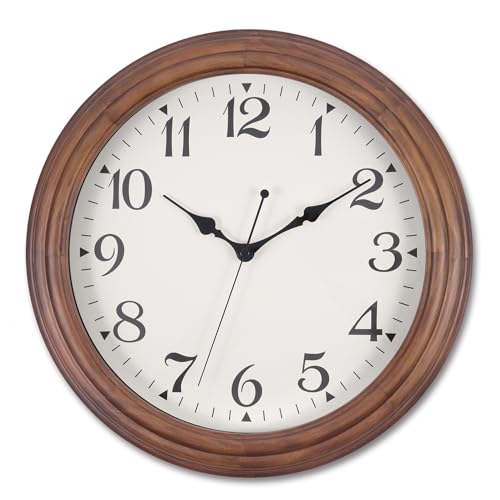
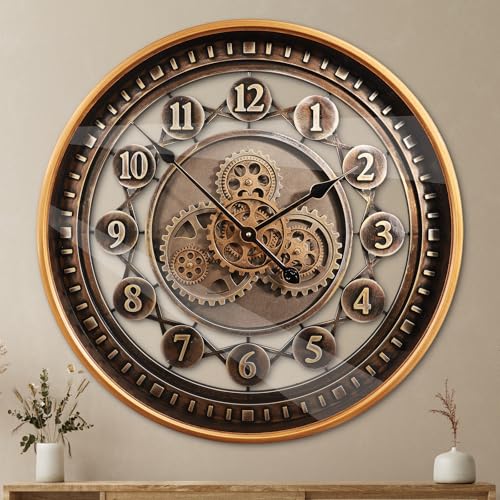
Frame construction matters because it determines both the look and the longevity of the clock. Solid pine frames, like those on the Kesin, Foxtop, and Vigorwise models, offer visible grain and natural variation that develops character over time. MDF and veneer options, such as the Lafocuse tree-stump clock and the Maxstar walnut veneer dial, are more uniform and resistant to warping but trade some of the authenticity of solid hardwood. and Maxstar pieces, pair wood faces with metal rings for a more architectural look that suits modern rooms.
Dial Readability and Design
Dial readability depends on numeral size, color contrast, and whether a glass cover sits in front of the face. High-contrast dials with bold black numerals on white backgrounds, like the AKCISOT, Foxtop, and Vigorwise clocks, read quickly even from across the room. Warm beige or ivory dials with dark numerals, seen on the Kesin, Lafocuse, and mooas models, blend more softly with rustic and farmhouse interiors.
Movement Quality and Noise
Most wall clocks in this category use quartz sweep movements that drive the second hand smoothly around the dial rather than in distinct ticks. Battery type matters as well. The Kesin and SIN&MI listings specifically recommend carbon batteries for longer life, while the Foxtop model is engineered and tested for standard alkaline AA cells and claims up to 24 months of operation. 24-inch pieces, still rely on a single AA cell but pair it with heavier hands that benefit from a sturdy mounting point.
Size and Room Fit
statement clock.
Mounting and Installation
Most of these clocks mount with a single hook and a wide slot on the back, which makes installation a one-nail job for most renters and homeowners. clocks, include mounting screws and anchors in the package, which is helpful on drywall or plaster.
Build Quality and Durability
Build quality shows up in the materials used and in the warranty offered. Solid pine spliced frames, like those on the Kesin and Foxtop models, age gracefully and accept small impacts without cracking. MDF boards, like the Lafocuse tree-stump clock, are described as 8mm thick to resist warping over time. Warranty length varies widely. These coverage differences matter when planning long-term ownership.
Design Versatility
Design versatility is the ability of a clock to blend with multiple interior styles. Modern designs, like the mooas Flatwood, Maxstar walnut veneer, and AKCISOT natural wood-grain clocks, use clean lines and high-contrast dials that work in offices, studies, and contemporary living rooms.
Final Recommendation
Among the top wood wall clocks, the ranked products differ under documented material and frame construction, dial readability and design, movement quality and noise, size and room fit, mounting and installation, build quality and durability, and design versatility.
Kesin 11-Inch Retro Pine Wood Wall Clock ranks first overall in this specification-based comparison under the published weighted criteria.
The Kesin 11-Inch Retro Pine Wood Wall Clock is the first overall specification-based choice among the best wood wall clocks because it combines real solid pine construction, a glass-protected warm beige dial, large black Arabic numerals, and a silent non-ticking sweep movement in a versatile 11-inch size.
Frequently Asked Questions
Among the best wood wall clocks, what dial size works best for a wood wall clock in a living room?
Living rooms typically read best with a 12-inch to 16-inch wood wall clock.
Are silent non-ticking movements standard on wood wall clocks?
Most wood wall clocks in this category, including the Kesin, Honiway, Lafocuse, Foxtop, AKCISOT, Maxstar, and mooas models, use quartz sweep movements that are advertised as silent or non-ticking. The exact sound level can vary with movement age and battery type, so following the manufacturer battery recommendation helps keep operation quiet.
Wood wall clocks benefit from gentle dusting with a soft, dry cloth rather than wet cleaners, especially on models with a glass cover like the Kesin, Foxtop, or SIN&MI. Avoiding direct sunlight and humidity helps preserve the frame finish on solid pine models such as the Kesin, Foxtop, and Vigorwise clocks.
Can a wood wall clock work in a modern or minimalist room?
Yes. Minimalist wood wall clocks like the mooas Flatwood, AKCISOT Natural Wood-Grain, and Maxstar Walnut Veneer clocks pair simple numerals with clean silhouettes that suit modern interiors. The Maxstar model also pairs wood with iron for a more architectural, contemporary look.
How do I choose between round and rectangular wood wall clocks?
Round dials are the most common and work well above sofas, fireplaces, and centered wall layouts.