Buying Guide
Choosing the best yard jewelry making wire for your studio starts with how the wire behaves at the bench, not the brand label. The ten options below all sit at 20 gauge, which is the versatile mid-thickness used for wire-wrapped loops, structural frames in bracelets and necklaces, ear wires, and bead components. With 20-gauge wire you can form sturdy shapes while still completing tight bends with standard jewelry pliers.
Understanding 20 Gauge and Diameter
A 20-gauge wire measures roughly 0.8mm in diameter. That thickness is thick enough to hold the shape of bangles and pendant frames, yet thin enough to bend smoothly through chain maille weaves and spiral components. Every product in this guide documents 0.8mm or 0.81mm diameter, which keeps the comparison consistent for sizing findings such as jump rings and ear wire hooks.
Material Matters for the best yard jewelry making wire
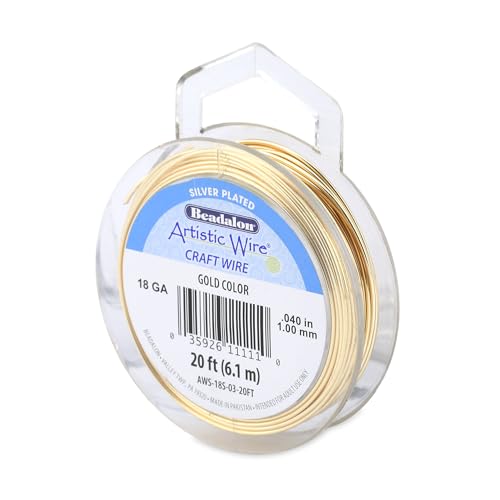
The base metal changes how a wire behaves and how it ages in finished jewelry. Copper cores, including silver-plated copper and antique copper variants, bend easily and accept forming by hand or with light pliers. They are popular for wire-wrapped pendants, beaded chains, and decorative loops. Stainless steel 304 wires resist rust and tarnish and keep their shape under tension, which suits Viking knit, chain maille, and structural frames. Aluminum wires are soft, colorful, and lightweight, which works for sculptural pieces and colorful craft projects. Sterling silver 20-gauge wires offer a precious-metal option for fine jewelry, though with shorter default yardages.
Tarnish Resistance and Finish Quality
A tarnish-resistant coating or lacquer helps finished jewelry keep its color between wears. Several copper wires in this set include an anti-tarnish layer tested for hours of salt exposure, and stainless steel wires rely on their alloy for corrosion resistance. Silver-plated copper wires also benefit from a clear protective coating. When you want long-lasting shine, look for documented plating or lacquer details rather than only the base color name.
Yardage directly affects how many pieces you can complete before reordering. Single spools in this set range from 6 yards to more than 40 yards for steel wire. If you work on long bracelets or multiple matching earrings, longer spools reduce joins mid-project. If you want color variety for a small collection, multi-roll sets provide assortment in one package, though each individual roll is shorter.
Temper describes how stiff or soft a wire feels. Soft-temper wires bend easily by hand and suit intricate wire-wrapped designs, while medium and 3/4 hard tempers hold their shape under tension and work well for ear wires and structural frames. Stainless steel wires generally feel firmer than copper wires of the same gauge, even when annealed. Matching temper to your project keeps hand fatigue low and shapes consistent.
Project Versatility
The best yard jewelry making wire adapts across earrings, bracelets, necklaces, pendants, and woven components. Wires with documented use across multiple jewelry formats give you more flexibility when you shift between projects. Multi-color aluminum sets open options for themed or seasonal pieces, while silver-plated copper spools are easy to pair with most bead palettes.
Final Recommendation
Yountiger 20 Gauge 304 Stainless Steel Wire 164 ft ranks first overall in this specification-based comparison under the published weighted criteria.
The final choice among the best yard jewelry making wire depends on the documented features that match your intended use.
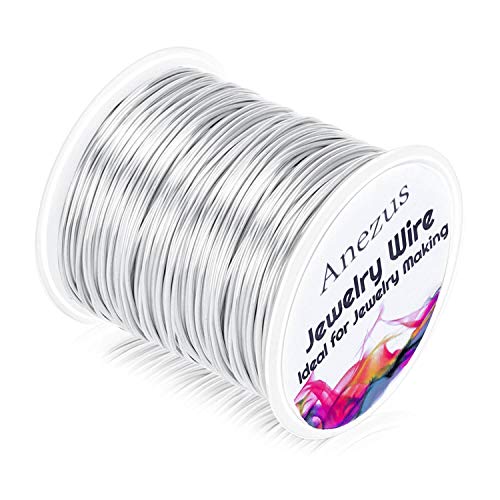
For the top yard jewelry making wire overall, the Beadsmith Wire Elements 20 Gauge Antique Copper 10 yd takes the first specification-based choice, thanks to a clearly documented 0.81mm round profile, soft temper that supports hand forming, and a tarnish-resistant antique copper coating over a copper core. The Anezus 20 Gauge Silver-Plated Copper Wire 28 yd is the top yard jewelry making wire pick when yardage on a single silver-colored spool is the priority, while the Yountiger 20 Gauge 304 Stainless Steel Wire 164 ft is the yard jewelry making wire option for large structural projects needing stainless steel. Match the material and spool length to your project list rather than the listing headline, and your bench will stay organized across many sessions.
Frequently Asked Questions
What is the best yard jewelry making wire for beginners?
Soft-temper copper wires are typically the easiest to learn with because they bend smoothly by hand and tolerate frequent reshaping. Options such as the Anezus silver-plated copper spool or the BENECREAT silver copper spool give a forgiving feel at the bench.
Is 20 gauge wire thick enough for bracelets and bangles?
Yes. A 20-gauge wire at roughly 0.8mm has the rigidity needed to hold bracelet and bangle shapes while still bending cleanly with standard jewelry pliers. Stainless steel 20-gauge wires like the Cridoz or Yountiger spools add extra firmness for larger cuffs.
How does copper wire compare to stainless steel for jewelry making?
Copper wires bend more easily and suit wire-wrapped designs, while 304 stainless steel wires resist rust and hold their shape under tension. Choose copper for intricate loops and stainless steel for structural chain maille or Viking knit.
How much yardage should I look for in a single spool?
For most jewelry projects, spools between 10 and 30 yards cover multiple matching pieces. Larger structural projects or batch production often benefit from spools in the 40 to 164-foot range, which several steel wires in this set provide.
Does tarnish-resistant coating really extend the life of finished jewelry?
A documented tarnish-resistant layer or lacquer helps plated copper jewelry keep its color during storage and daily wear. Stainless steel wires rely on the alloy itself for corrosion resistance, so they generally need no extra coating.