Buying Guide
Picking a tarnish resistant wire is about more than a shiny spool photo. The best tarnish resistant jewelry making wire balances coating evidence, gauge, temper, and storage so that finished pieces keep their finish long after the first wear. The selection above compares ten products across those dimensions using publicly listed specs, so each ranking reflects the documented attributes rather than impressions.
How Tarnish Resistance Is Documented
Manufacturers describe their finishes in different ways. Listings in this guide mention protective enamel, tarnish resistant coatings, lacquer finishes, and occasionally referenced tests such as a 180 hour 15 percent salinity exposure. None of the candidates are advertised as solid sterling silver or gold fill, so the resistance to tarnish comes from a coating or plating over a copper core. When a spec sheet explicitly names the coating, that evidence weighed heavily in the comparison.
Matching Gauge to Project
Gauge choice drives what a wire can do. Thicker gauges around 16 to 18 give structure for bracelet frames, ring bands, and ear wires. Mid ranges of 20 to 22 suit general wire wrapping, gemstone settings, and woven chains. Finer gauges around 24 to 26 work well for delicate coil accents, binding wraps, and decorative tracery. Listings that span multiple gauges in a brand family scored higher for gauge flexibility.
Temper and Workability
Dead soft and soft tempers bend easily by hand and suit beginners or intricate shaping. Medium temper offers a balance between form holding and bendability. Half hard and harder tempers resist deformation and support structural components. Descriptions that specify temper allow a clearer match to project demands and contributed to the temper and workability score.
Material Core and Plating
Most tarnish resistant craft wire in the candidate pool uses a copper core with silver, gold, or colored plating. Stainless steel appears in one multi-gauge kit and offers a different base material with its own finish claims. Copper cores are malleable and widely used for jewelry, while plating choice affects the visible color and the rate at which the surface may change over time.
Color Range and Finishes
Color variety matters for design flexibility. Single color spools with a clean silver or gold tone are easy to integrate into mixed media work, while packs with three, six, or twelve rolls offer broader palettes. Color names in listings are taken at face value, so buyers who need exact matches should confirm with the seller before combining spools from different batches.
Spool and Storage Design
Spool packaging keeps wire tidy and reduces tangles. Listings that mention sturdy spools, protective clips, or organized storage scored well in this category. A solid spool is especially useful for soft temper wire that may otherwise uncoil during storage.
Project Versatility
A wire that supports anklets, bracelets, necklaces, wire wrapped pendants, beaded chains, jump rings, and ear wires offers wide project range. The candidates in this list are each documented for multiple craft uses, which is reflected in the project versatility score.
Final Recommendation
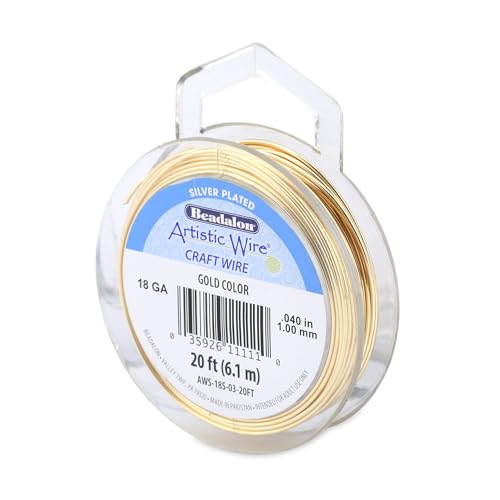
Artistic Wire 18 Gauge Silver Plated Copper (Gold, 20 ft) ranks first overall in this specification-based comparison under the published weighted criteria.
The final choice among the best tarnish resistant jewelry making wire depends on the documented features that match your intended use.
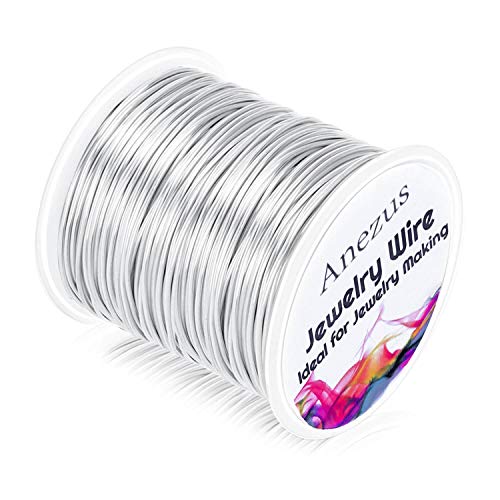
Among the products returned, the highest scoring option for documented tarnish resistance, gauge range, and material quality is the Artistic Wire 18 Gauge Silver Plated Copper in gold, which also references a broader 18 to 34 gauge brand family for ongoing project needs. For those prioritizing the top tarnish resistant jewelry making wire in a finer gauge with the longest single spool length, the CREATZONE 24 Gauge Silver Plated Copper at 203 feet and the Anezus 22 Gauge Silver Plated Copper at 49 yards are strong specification-based picks. Color focused makers may prefer the Anezus 12 Rolls Craft Wire Assorted Colors for variety, while the BENECREAT 18 Gauge Copper Wire stands out for referencing a specific salt spray test on its coating. Each of these reflects a different balance of evidence, so the right choice depends on which spec matters most for your work.
Frequently Asked Questions
What makes the best tarnish resistant jewelry making wire different from regular craft wire?
Tarnish resistant wire carries a documented coating or plating such as a clear enamel, lacquer, or protective enamel layer that is listed by the manufacturer. Regular craft wire may rely on the base metal alone, which can change color more quickly when exposed to air, skin oils, or humidity.
Which gauge of tarnish resistant craft wire is best for beginners?
A 20 or 22 gauge silver plated copper wire is often a comfortable starting point because it bends easily by hand, holds shape after light work hardening, and is widely listed for earrings, pendants, and simple bracelet projects.
Is silver plated copper wire durable enough for everyday jewelry?
The candidates reviewed here describe their coatings in ways that suggest reasonable durability for typical wear, including protective enamel and lacquer. Longevity also depends on how the piece is stored, how often it is exposed to moisture, and how much skin contact it sees during wear.
Can tarnish resistant wire be used for wire wrapped pendants and gemstone settings?
Yes, several of the listed wires are documented for wire wrapped pendants, gemstone wraps, jump rings, and detailed forming. For stone settings, a 20 or 18 gauge soft or dead soft temper is often easier to shape around a cabochon.
How should tarnish resistant craft wire be stored?
Keeping wire on its original spool and inside a dry container helps preserve the coating. Listings that include a spool clip, as on The Beadsmith Wire Elements 20 Gauge Soft, add a small layer of protection for the wire end between sessions.