10 Best Acrylic Adhesives for Acrylic and Plexiglass Bonding

Whether you are bonding plexiglass panels, repairing model parts, or assembling DIY crafts, choosing the best acrylic adhesives can mean the difference between a clean, durable joint and a weak, messy bond. Acrylic substrates require adhesives that cure quickly, resist yellowing, and maintain clarity without cracking under stress. The products below include dedicated acrylic cements, high-strength plastic welders, and versatile repair formulas that buyers consistently rely on for transparent finishes and long-term holding power.

We prioritized clear claims of compatibility with acrylic or plexiglass, since choosing an adhesive suited to those materials is central to making a suitable selection. Rankings also considered buyer ratings and review volume, value for money, recent purchase velocity, and special listing labels. Strong buyer feedback and fast-setting chemistry were considered favorable, while low review counts and unclear acrylic compatibility were treated cautiously.

Advertising Disclosure Revactic participates in affiliate programs, including the Amazon Associates Program. We may earn a commission when you buy through links on this site, at no extra cost to you.

The Revactic ranking

Top 10 picks

2
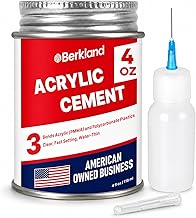
Acrylic Bonding Cement with Applicator Bottle, 4 oz
Best Cement

Acrylic Bonding Cement with Applicator Bottle, 4 oz

Clear acrylic bonding cement with an integrated applicator bottle for controlled 4 oz dispensing.

  • Dedicated acrylic and plexiglass adhesive in a ready-to-use applicator bottle
  • Fast-setting clear glue that minimizes fogging on plastic sheets
  • Higher capacity format ideal for signage, display cases, and sheet assembly
9.3 343 reviews
Check price View offer at Amazon
3
Plastic Super Glue, 30 g
Most Reviewed

Plastic Super Glue, 30 g

Clear super glue engineered for miniatures, 3D prints, and acrylic plastics with heat and water resistance.

  • Strong clear adhesive compatible with PLA, ABS, PVC, and acrylic substrates
  • Heat-resistant and waterproof bond for demanding hobby and repair tasks
  • Generous social proof from thousands of verified users in modeling communities
9.1 2,100 reviews
Check price View offer at Amazon
4
Plastic Glue with Precision Micro-Tips, 100 g
Best Value

Plastic Glue with Precision Micro-Tips, 100 g

Heavy-duty 100 g plastic adhesive with six precision micro-tips for detailed acrylic and model work.

  • Large 100 g capacity suited for extended model building and 3D print repair
  • Includes six precision micro-tips for accurate application on small joints
  • Fast-setting formula designed for PLA, ABS, PVC, acrylic, and automotive plastics
8.9 2,800 reviews
Check price View offer at Amazon
5
ALECPEA Plastic Glue with Precision Tips, 30 g
Precision Choice

ALECPEA Plastic Glue with Precision Tips, 30 g

High-strength acrylic and PVC welder with three precision tips and a 15-second quick set.

  • Instant adhesive tailored for acrylic, ABS, PC, and hard plastic bonding
  • Three precision applicator tips enable controlled placement on electronics and kits
  • Quick 15-second set reduces clamping time for fast-paced DIY workflows
8.7 414 reviews
Check price View offer at Amazon
6
Instant Plastic Glue, 30 g
Fast Cure

Instant Plastic Glue, 30 g

Instant super glue for plastics with broad compatibility across acrylic, nylon, PVC, and polycarbonate.

  • Fast-dry strong plastic adhesive with a 4.6-star average from hundreds of reviewers
  • Compatible with an exceptionally wide range of plastics including acrylic and nylon
  • Compact tube format keeps the adhesive fresh and easy to store between projects
8.6 339 reviews
Check price View offer at Amazon
7
J-B Weld 50133 Plastic Bonder, 25 ml
Structural Strength

J-B Weld 50133 Plastic Bonder, 25 ml

Two-part structural adhesive syringe that creates a tan, load-bearing bond on thermoplastics.

  • J-B Weld syringe delivery ensures accurate 1:1 mixing for consistent curing
  • Forms a rigid, structural bond on plastic substrates including acrylic assemblies
  • High buyer volume and strong ratings reflect reliable workshop performance
8.5 4,700 reviews
Check price View offer at Amazon
8
3M Scotch-Weld PR40 Instant Adhesive, 20 g
Pro Grade

3M Scotch-Weld PR40 Instant Adhesive, 20 g

3M Scotch-Weld instant adhesive in a 20 g bottle for plastic and rubber assemblies.

  • 3M formulation designed for rapid bonding of plastics, rubber, and mixed materials
  • Clear finish maintains a neat appearance on visible acrylic joints
  • Established industrial brand with extensive feedback from professional users
8.4 2,200 reviews
Check price View offer at Amazon
9
3M Scotch-Weld 8700 Low-Odor Acrylic Adhesive, 45 mL
Low Odor

3M Scotch-Weld 8700 Low-Odor Acrylic Adhesive, 45 mL

3M Scotch-Weld low-odor acrylic adhesive in a 45 mL duo-pak for cold-temperature performance.

  • Improved low-odor formulation engineered specifically for acrylic adhesion
  • Enhanced impact and peel strength for structural acrylic joints
  • Non-flammable chemistry adds safety for enclosed workshop environments
8.3 4 reviews
Check price View offer at Amazon
10
UV Resin Kit with Light, 60 g
UV Cure

UV Resin Kit with Light, 60 g

60 g UV resin kit with professional flashlight for seconds-long curing on glass and acrylic.

  • UV-activated resin cures in seconds under the included flashlight for instant results
  • Designed for jewelry, glass, and acrylic repair with a strong transparent bond
  • Kit format provides everything needed for controlled curing without long wait times
8.2 4,700 reviews
Check price View offer at Amazon

Buying Guide

Selecting the best acrylic adhesives for your project requires more than grabbing the first tube labeled for plastic. Acrylic, plexiglass, and polycarbonate each respond differently to solvents, cyanoacrylates, and epoxies. The right choice depends on joint design, cure speed, clarity requirements, and the scale of your work.

Sizing and Capacity

Acrylic adhesives come in volumes ranging from 20 g hobby tubes to 1 gallon industrial containers. For small-scale model building, jewelry repair, or electronics assembly, a 20 g to 30 g tube keeps material fresh and minimizes waste. If you are fabricating display cases, signage, or aquarium panels, look for 4 oz to 5 oz bottles or larger so you can cover extended seams without stopping to restock. Precision-tip caps are essential for micro-joints, while brush-on or applicator-bottle formats suit broad sheet-to-sheet bonding.

Feature Tradeoffs

Solvent cements, such as those formulated specifically for acrylic and plexiglass, chemically weld the surfaces together. They create a nearly invisible seam and preserve optical clarity, but they typically require close-fitting joints and may emit strong fumes until cured. Low-odor variants reduce ventilation concerns yet can carry a higher current Amazon listing detail per ounce.

Cyanoacrylate-based plastic glues offer instant grabs and work well for tight-fitting hobby parts. They excel in model kits and 3D print repairs, though they can become brittle under sustained impact. Structural two-part adhesives deliver superior gap-filling and load-bearing strength, but they often cure slower and may leave a visible bond line.

UV-cure resins provide on-demand curing under a light source, giving you unlimited repositioning time before activation. The tradeoff is that UV systems require transparent or semi-transparent joint areas where light can penetrate; opaque assemblies will not cure reliably.

Installation and Setup Considerations

Surface preparation is the single biggest factor in bond strength. Acrylic should be clean, dry, and free of mold-release agents or fingerprints. Lightly scuffing non-visible edges with fine-grit sandpaper can increase mechanical grip for non-solvent adhesives, but keep bonding faces smooth if you are using a solvent cement that relies on chemical fusion.

Temperature and humidity matter. Many acrylic adhesives cure best between 65 °F and 75 °F with moderate humidity. Cold-temperature formulations exist for unheated workshops, yet standard adhesives may skin over too slowly or too quickly in extreme conditions. Always test a small offcut before committing to the final assembly.

Clamping strategy varies by chemistry. Solvent cements often need only light pressure for a few minutes, while structural epoxies may require firm clamping for 15 to 30 minutes. Instant adhesives bond in seconds, so alignment must be precise before the parts touch.

Maintenance and Reliability Signals

Once cured, acrylic joints are generally low maintenance. Avoid prolonged exposure to alcohol-based cleaners, which can stress-crack some solvent-welded seams. For outdoor installations, verify that the adhesive carries water-resistant or weatherproof claims; not all hobby-grade plastic glues tolerate freeze-thaw cycles or direct UV exposure over time.

Reliability signals in listings include sustained high average ratings across thousands of reviews, consistent mentions of clarity retention, and repeat-buyer comments. Products with bought-past-month figures in the hundreds or thousands indicate stable supply chains and ongoing community trust. Be cautious of listings showing a perfect 5.0-star rating based on fewer than 50 reviews; the sample size is too small to confirm long-term durability.

How to Compare Reviews

When reading feedback on acrylic adhesives, focus on reviews that mention your specific substrate. A reviewer bonding acrylic sheets will provide more relevant insight than one repairing a ceramic mug. Look for comments about stringing, yellowing, and set time. If multiple users note that a glue dries cloudy on plexiglass, it is likely the wrong chemistry for visible joints.

Pay attention to complaints about packaging. Leaking bottles, clogged precision tips, or separated duo-pak cartridges suggest quality-control issues that can waste material mid-project. Conversely, praise for applicator design, such as micro-tips or needle dispensers, often correlates with cleaner results on small parts.

Final Recommendation

If your priority is a crystal-clear, professional seam on plexiglass or acrylic sheet, choose a dedicated solvent cement ranked at the top of this list. These products chemically fuse the material rather than merely sticking surfaces together, delivering the best optical clarity and long-term stability.

For hobbyists working across mixed plastics, model kits, and 3D prints, a high-review-count instant plastic glue with precision tips offers the versatility and speed you need. Look for options that explicitly list acrylic compatibility alongside PLA, ABS, and PVC.

When you need structural strength or gap-filling capability, a two-part epoxy syringe or construction-grade plastic bonder is the safer route, especially if the joint will bear weight or experience vibration.

Finally, if you repair jewelry, glass, or small transparent items where alignment is critical, a UV-cure kit gives you full control over timing before hardening the resin with light. Match the adhesive format to your workflow, verify acrylic-specific compatibility, and always prepare surfaces before applying the product.