Buying Guide
Selecting the right active dry yeast is about more than grabbing the first jar on the shelf. Capacity, format, storage needs, and recipe compatibility all shape the value you get from a purchase. This guide walks through the practical factors that separate a reliable rise from a disappointing loaf.
Sizing and Capacity
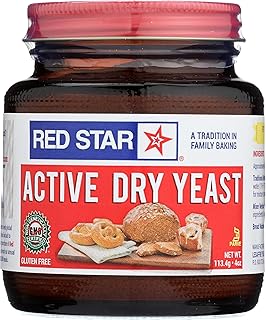
Active dry yeasts come in formats ranging from single-use envelopes to multi-pound vacuum packs. If you bake one or two loaves per month, small three-count packet sets or four-ounce jars keep inventory fresh without waste. For families baking several times a week, a one-pound or two-pound block reduces packaging overhead and ensures you always have culture on hand. Remember that yeast is a living organism; once opened, it slowly loses potency. Buying more than you can use within a few months often leads to weak rises, even if the product looks fine.
Feature Tradeoffs: Packets vs. Bulk vs. Cans
Pre-measured envelopes offer convenience and portion control. They eliminate measuring errors and protect unopened packets from humidity. The downside is higher per-ounce current Amazon listing detail and extra packaging. Bulk bags or blocks require a kitchen scale or measuring spoons and must be resealed carefully after each use. Some bakers prefer metal cans, such as those used by certain Italian brands, because the rigid shell blocks light and moisture better than thin plastic pouches. Consider your counter space, scale access, and tolerance for portioning when choosing between these formats.
Activation and Setup Considerations
Unlike instant yeasts that can be mixed directly into flour, traditional active dry yeast benefits from proofing in warm liquid before incorporation. Most manufacturers recommend water between 105 and 115 degrees Fahrenheit. If your tap runs too hot, you risk killing the culture; too cool, and the rise slows dramatically. A simple kitchen thermometer removes the guesswork. When evaluating products, note whether the brand provides clear hydration instructions on the label. Heritage names in the active dry yeast space tend to include detailed guidance, which helps beginners avoid common early failures.
Storage and Maintenance
Unopened active dry yeast stores well in a cool, dark pantry, but longevity improves sharply under refrigeration or freezing. Once exposed to air, transfer bulk yeast to an airtight glass jar or vacuum bag. Some home bakers write the open date on the container and perform a quick viability test—mixing a teaspoon of yeast with warm water and sugar—to confirm foam production before committing an entire batch of dough. If you bake seasonally, check expiration dates before holiday rushes and discard any culture that fails to bloom within ten minutes.
Reliability Signals to Watch
Review volume matters less than review consistency. A product with thousands of ratings and a 4.7-star average usually indicates stable manufacturing and supply-chain freshness. Look for recent feedback that mentions rise time, aroma, and shelf life. Sudden clusters of one-star reviews citing dead yeast may signal a warehousing or shipping issue rather than a bad formula. Purchase velocity also hints at turnover; products bought by thousands of users each month are more likely to arrive fresh than slow-moving niche listings sitting in fulfillment centers for extended periods.
How to Compare Reviews
When reading feedback on active dry yeasts, filter for reviews that mention specific recipes similar to yours. A yeast that excels in enriched sandwich bread may behave differently in lean rustic doughs. Pay attention to comments about proofing speed, flavor neutrality, and how the product performs near its expiration date. Gluten-free bakers should prioritize reviews from verified buyers on restricted diets, since standard wheat bakers may not notice subtle texture differences that matter for allergen-sensitive recipes.
Final Recommendation
If you want the most versatile option with minimal waste, choose a packet-format active dry yeast from a heritage brand; the pre-measured envelopes stay fresh and the user base is large enough to ensure consistent manufacturing quality. For committed weekly bakers, a one-pound or two-pound bulk block offers better long-term practicality, provided you have airtight storage and a kitchen scale. Those focused on pizza and Italian breads may prefer an imported canister designed for soft, extensible doughs. Gluten-free households should stick to explicitly labeled gluten-free active dry yeasts to avoid cross-contamination. By matching format size to your baking rhythm and verifying recent positive feedback, you can confidently select a yeast that delivers reliable rises batch after batch.