Buying Guide
Choosing the right activewear dress for a girl depends on more than just color preference. Fit, fabric, built-in features, and intended activity all determine whether a dress becomes a wardrobe staple or sits unused in a drawer. Below is a practical guide to evaluating options and matching them to your child’s needs.
Sizing and Fit Considerations
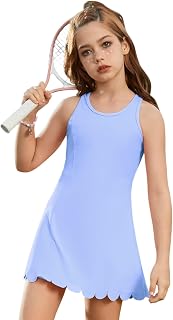
Activewear dresses typically follow standard children’s sizing, but athletic cuts can run slim or short depending on the brand. Look for listings that provide a detailed size chart with chest, waist, and length measurements rather than age alone. A dress that is too long can restrict running, while one that is too short may ride up during play. If your child falls between sizes, consider whether the fabric has mechanical stretch or if the cut is structured; stretchy knit blends often accommodate a growth spurt better than woven pleats. Also pay attention to shoulder construction. Racerback and crisscross designs generally stay in place better during overhead movement than standard tank straps, which can slip during tennis serves or swimming strokes.
Built-In Shorts and Coverage
Nearly every option in the activewear category now includes built-in shorts, but the quality of that liner matters. Check whether the shorts are sewn directly into the dress or form a separate layer. A separate shorts layer can reduce twisting and bunching when your child slides into base positions or dives for a volleyball. Pockets on the shorts are another detail worth prioritizing. A small side pocket can hold a house key, lip balm, or energy gel without adding bulk. For older girls and teens, some dresses include a built-in bra or detachable bra liner. This feature adds support during high-impact movement and can reduce the need for additional undergarments that might show through lightweight fabrics.
Fabric and Breathability
The best activewear dresses for girls rely on synthetic blends such as polyester and spandex, sometimes with a cotton liner for softness. These materials wick moisture away from the skin and dry faster than all-cotton alternatives, which is essential for multi-hour tournaments or back-to-back activities. If your child will wear the dress primarily outdoors, look for mentions of UPF protection or tightly knit weaves that block some ultraviolet light. Mesh panels, cutout backs, and pleated skirts all improve airflow, but they also change the level of coverage. A cutout back may be perfect for a summer tennis clinic yet less desirable for a school dress code. Always cross-reference the design details with the settings where your child will actually wear the dress.
Sport-Specific Features
Different activities place different demands on clothing. Tennis and pickleball involve rapid lateral movement, so a pleated or A-line skirt allows the legs to move freely without fabric tension. Golf often requires a slightly longer, more tailored silhouette that meets course dress codes while still permitting a full swing. General school sports or playground use favor durability and simplicity: reinforced seams, modest necklines, and dark colors that hide grass stains. If your child plays multiple sports, a versatile racerback dress with neutral styling can transition from the court to the classroom more easily than a highly specialized pleated tennis uniform.
Maintenance and Durability
Girls’ activewear sees frequent washing, so check care instructions before buying. Dresses with glitter waistbands, printed pleats, or delicate cutout details may require cold washing or line drying to preserve their appearance. Solid-color synthetic dresses usually tolerate machine washing and low-heat drying, making them easier for busy families. Examine product images for stitch density around high-stress areas such as armholes and the shorts-to-skirt seam. Reinforced stitching prevents tearing during slides or falls. Reading recent reviews for mentions of pilling, color fading, or elastic stretching after a month of use will give you a clearer picture of longevity than the product description alone.
How to Compare Reviews
A high average rating is a good starting point, but the number of reviews behind that rating matters just as much. A dress with a 4.8 average based on ten reviews may not have faced the same real-world testing as a dress with a 4.6 average based on several hundred reviews. When reading feedback, focus on comments that mention your child’s specific age, sport, or body type. A review from a parent of a tall ten-year-old will be more relevant than a generic five-star note. Look for repeated themes. If multiple buyers mention that the shorts ride up or that the dress runs small, treat those as reliable signals. Conversely, isolated complaints about shipping or color variation say less about the garment’s performance.
Final Recommendation
If you need a reliable all-rounder, prioritize a racerback dress with built-in shorts and pockets that has earned strong ratings across a large number of buyers. This combination covers tennis, golf, school gym class, and casual weekend wear without requiring a wardrobe change. For competitive young athletes who play in heat, a quick-dry fabric with ventilation details will keep them comfortable through long sessions. Teens may prefer a dress cut specifically for older girls, with slightly longer lengths and more subtle styling that works beyond the sports field. Families looking for something that stands out at a club event might lean toward pleated or polo-inspired designs that blend tradition with performance. By matching the dress’s features to your child’s primary activities and checking for consistent fit feedback, you can narrow the list to one or two options that will actually get worn week after week.