Buying Guide
Choosing the best adult Christian education books requires more than scanning covers. Adult learners bring different life stages, prior knowledge, and time constraints to the table. The right book should match your purpose—whether that is personal devotion, a structured class, or leadership training—while offering enough depth to sustain growth beyond the first reading.
Scope and Capacity
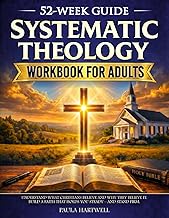
Start by assessing the breadth and length of the material. Some titles span an entire year of weekly lessons, while others focus on a single doctrine or biblical book. If you need a curriculum for a full academic cycle, a 52-week systematic theology workbook or a 13-week foundational course provides built-in pacing. These larger capacities work well for Sunday school programs or small groups that meet consistently. For individual study or a shorter commitment, a compact primer covering twenty essential beliefs can deliver concentrated insight without overwhelming a busy schedule. Consider how much time you or your group can realistically devote each week, then match that capacity to the book’s lesson count and page depth.
Feature Tradeoffs
Adult Christian education books vary widely in format, and each design carries tradeoffs. Workbooks with fill-in sections and reflection prompts encourage active learning but require the reader to write directly in the text or keep a separate journal. Hardcover reference volumes tend to hold up better in lending libraries and group rotations, yet they may lack the interactive exercises found in paperback workbooks. Study guides tied to video access can enrich discussion with multimedia teaching, though they depend on reliable internet and device availability. Devotional-style books often emphasize personal application, while systematic theology texts prioritize doctrinal precision. Decide whether your primary goal is affective transformation, intellectual grounding, or skill-based discipleship, then select the format that supports it.
Setup and Study Context
Before committing to a title, think through the logistical setup. Will the book be used in a classroom with a facilitator, or is it intended for self-directed reading? Group contexts benefit from titles that include discussion questions, leader notes, or reproducible outlines. One-on-one mentoring pairs often prefer books with short chapters that can be read between meetings. If you are equipping a new believer, look for a progressive structure that assumes little prior biblical knowledge. For mixed-maturity classes, a book that reviews basics while still offering fresh insight to seasoned Christians will keep everyone engaged. Also verify whether the content aligns with your church’s theological tradition, especially when covering topics like the sacraments, spiritual gifts, or end-times views.
Maintenance and Longevity
A valuable adult Christian education resource should remain useful after the first completion. Books organized around timeless principles rather than dated cultural references tend to age better. Check whether the author has issued a revised edition; updated language, contemporary illustrations, and refined discussion questions can extend a book’s lifespan significantly. If you plan to reuse the curriculum annually, consider whether the binding and paper quality will withstand repeated handling. Digital editions offer portability and searchability, which is helpful for leaders who need to quote sections during teaching. However, many adult learners still prefer physical copies for annotation and tactile engagement, so weigh the long-term utility of each format against your specific context.
Reliability Signals
Because spiritual formation is a serious matter, reliability matters. Look for authors with recognized ministry experience, academic credentials, or a track record of publishing vetted curriculum. Imprints that specialize in Christian education often enforce theological review processes that independent releases may lack. Review volume is another strong signal: a book with hundreds or thousands of ratings across several years suggests consistent usefulness in real churches and homes. Read the critical reviews as well as the positive ones; patterns mentioning unclear structure, doctrinal bias, or poor print quality can reveal issues that average star ratings hide. Finally, note whether the book is part of an established series. Series like Knowing the Bible or The Essentials Set carry built-in editorial consistency that single-volume releases may not guarantee.
How to Compare Reviews
When evaluating reviews for adult Christian education books, filter by the use case that matches your own. A five-star rating from a solo reader may not mean the discussion questions are strong enough for a group. Look for mentions of pacing, clarity, and whether readers actually finished the material. Comments about changed perspectives or implemented practices indicate that the book moves beyond information into transformation. Pay attention to repeated complaints about font size, binding, or formatting if you are buying for older adults or vision-impaired readers. Cross-reference reviews across multiple time periods to see if earlier praise still holds after extended use.
Final Recommendation
If you want a single title that balances broad appeal, rigorous content, and exceptional reader trust, start with our top pick. Its large body of verified feedback and durable hardcover design make it a dependable anchor for any adult education library. For leaders who need a plug-and-play class curriculum, the 13-week structured courses ranked near the top offer clear weekly boundaries and teaching notes that reduce preparation stress. New believers will benefit most from a foundational book that pairs doctrine with relational exercises, while seasoned learners may prefer a systematic theology workbook that stretches across a full year. Ministry professionals should keep a specialized educator’s handbook on hand for planning and volunteer training. By aligning the book’s scope, format, and reliability signals with your specific goals, you can select an adult Christian education resource that produces lasting growth rather than temporary inspiration.