Buying Guide
Choosing the right air conditioning core repair kit depends on the type of leak you are addressing, the refrigerant in your system, and the tools you already own. While every kit in this comparison can help seal an A/C system, the ideal set for a driveway DIYer differs from what a mobile technician might carry. Use the sections below to match your needs to the right assortment.
Sizing and Capacity
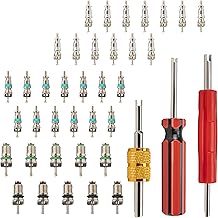
The first thing to notice is the piece count. A 16-piece set may be perfect if you only need to replace a few valve cores and charging port caps on a single vehicle. However, if you service multiple cars or want a shop-grade assortment on hand, a 100-piece or larger kit provides spare cores, extra caps, and additional seals so you are not caught short during a recharge. Keep in mind that a higher count does not always mean better quality. Look at what is actually inside the case: valve cores, Teflon seals, hose gaskets, and service caps each serve different purposes. If your primary problem is a slow leak at the Schrader valve, a focused set with remover tools and a handful of cores is more practical than a massive assortment you will never fully use.
Feature Tradeoffs
Most air conditioning core repair kits are built around either rubber or Teflon seals. Teflon tends to offer stronger chemical resistance against modern refrigerants and compressor oils, which is why many top-ranked sets highlight Teflon-sealed caps and cores. Another tradeoff involves the removal tool. A single-head tool is compact and works fine in open engine bays, but a dual-head installer and remover can save time when working between hard lines and the firewall. Some kits also include hose gaskets, which are useful if you plan to disconnect manifold gauges, while others focus strictly on valve stem components. Decide whether you want a pure valve core kit or a broader HVAC seal assortment before committing to a large package.
Installation and Setup Considerations
Before opening any kit, recover the refrigerant legally and verify that the system is depressurized. Valve cores are under high pressure, and removing one without proper evacuation is dangerous. Once the system is safe, use the included removal tool to extract the old core without stripping the threads. Inspect the port threads and the valve seat for debris or corrosion; even the best new core will leak if the seat is damaged. Hand-tighten the replacement core initially, then snug it with the tool without overtightening, which can crack the seal. If the kit includes new port caps, install them finger-tight to protect the threads and reduce future contamination. Many experienced technicians replace the cores whenever they connect gauges, treating the cores as consumables rather than permanent parts.
Maintenance and Longevity
After installing new valve cores and seals, run the system and check the service ports with an electronic leak detector or UV dye after a few days of operation. Heat cycling can loosen a core that was not fully seated during installation. Store any unused cores in a small sealed bag so they stay clean; lint or grit on the seal surface can cause micro-leaks. If your kit includes rubber or neoprene gaskets, keep them away from direct sunlight and ozone sources, as those materials degrade over time. Periodically inspect charging port caps for cracks, since a missing or damaged cap is one of the most common causes of recurring refrigerant loss.
Reliability Signals
Not every highly rated kit is built the same. Look for consistent feedback mentioning leak-free performance after weeks or months of use, not just immediate installation success. Reviews that mention fitment across multiple vehicle makes and refrigerant types suggest broader compatibility and better manufacturing tolerances. Be cautious of sets with perfect ratings but very few reviews; a small sample size may not reveal batch-quality issues. In this comparison, the top-ranked products all carry enough verified feedback to expose potential defects, giving you a clearer picture of long-term reliability.
How to Compare Reviews
When reading customer feedback, focus on three themes: tool durability, seal material quality, and actual leak resolution. If several reviewers note that the removal tool bent or stripped on the first use, the kit is probably not shop-grade. Comments about soft brass cores or inconsistent threading are red flags. Conversely, repeated praise for Teflon seals holding pressure through summer heat waves is a strong positive signal. Pay attention to reviews from users who specify their refrigerant type and vehicle, since that context helps you judge whether the kit will work on your particular system.
Final Recommendation
If you want the safest all-around choice, prioritize a kit that includes both valve cores and a dual-head removal tool, with enough pieces to cover multiple repairs. The top selections in this ranking balance high review counts, strong recent sales, and compatibility with both R12 and R134a systems. For occasional home use, a smaller Teflon-seal set with a solid rating will handle most service port leaks without cluttering your toolbox. If you run a mobile A/C service or maintain a fleet, the larger assortments offer better long-term convenience. Finally, if your repair involves the evaporator itself rather than the service valves, a dedicated evaporator core repair kit with an orifice tube is the more appropriate path. Match the kit to the job, verify your refrigerant type, and always follow proper recovery procedures before starting work.