Buying Guide
Choosing among the best air conditioning compressor relays requires more than matching a part number. Compressor relays serve as the electrical gatekeepers of your A/C system, and the wrong capacity or pin configuration can lead to intermittent cooling, premature clutch failure, or damaged wiring. This guide breaks down the practical factors that separate a reliable relay from a risky gamble.
Understanding Relay Types and Applications
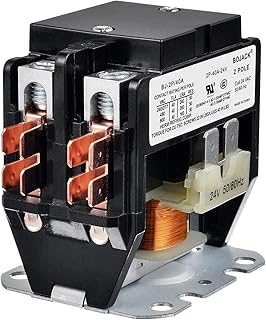
Air conditioning compressor relays generally fall into two categories: automotive A/C relays and HVAC contactors for residential or commercial systems. Automotive relays are typically 12-volt, four- or five-pin devices that sit in fuse boxes or engine-bay relay centers. They switch power to the compressor clutch coil and sometimes to cooling fans. Residential HVAC contactors, on the other hand, usually operate on 24 VAC and feature one or two poles with higher amperage ratings to handle compressor and condenser fan loads simultaneously.
Before you shop, identify whether you need a definite-purpose contactor for a central air condenser or a compact automotive relay for a vehicle. The voltage, pole count, and amperage must match the original specification exactly. Swapping a 12VDC automotive relay into a 24VAC home system—or vice versa—will result in immediate failure or unsafe operation.
Sizing, Capacity, and Terminal Configuration
Amperage is the most critical specification. The relay’s contacts must withstand the inrush current when the compressor clutch or motor first engages, plus the continuous running load. For automotive applications, 30 to 40 amps is common, while heavy-duty or dual-fan setups may demand 60 amps or more. In residential settings, a 40 Amp FLA contactor is standard for many split-system condensers.
Terminal count matters just as much. A four-pin relay usually provides a simple switched circuit: two pins for the control coil and two for the load. A five-pin relay adds a normally closed contact, which can be useful if your A/C system triggers auxiliary fans or isolation circuits. HVAC contactors often use lugs or spade terminals rated for 10-gauge wire or larger, so verify that your existing harness will connect cleanly without adapters.
Environmental Protection and Build Quality
Because compressor relays live in harsh environments, housing quality is a major reliability signal. Automotive relays mounted near the radiator or compressor are exposed to engine heat, road spray, and salt. Look for sealed or waterproof housings if the relay will sit outside the passenger compartment. In residential applications, the contactor resides inside the condenser cabinet, but it still faces rain, humidity, and temperature swings. Rust-resistant steel frames and sealed coils extend service life significantly.
Contact material also influences longevity. Silver-alloy or silver-cadmium-oxide contacts resist welding and pitting better than cheaper alternatives. While you cannot always see the contact alloy from the listing, established brands and OEM-grade products tend to specify higher-grade materials in their technical sheets.
Installation and Setup Considerations
Installation difficulty varies by system. Automotive relays usually pull straight out of a fuse-box socket, making replacement a matter of minutes. However, verify pin orientation; some vehicles use micro-relays, while others use standard ISO mini relays. A pin-for-pin match prevents bent terminals and loose connections.
Residential contactor replacement involves line voltage and refrigerant controls. Always disconnect power at the breaker before opening the condenser panel. Take a photo of the existing wiring, noting which conductors land on the line side, load side, and coil terminals. If you are not comfortable working with high voltage, hire a licensed technician. Even the best air conditioning compressor relays cannot compensate for improper wiring or unsafe installation practices.
Maintenance and Reliability Signals
Relays are wear items, but you can maximize their lifespan through routine system checks. In vehicles, corroded relay sockets are a common failure point. If you replace the relay and the compressor still does not engage, inspect the socket for green oxidation or melted plastic. Applying dielectric grease during installation helps prevent future corrosion.
For home HVAC systems, keep the condenser cabinet free of leaves and debris that trap moisture against the contactor. After severe storms, visually inspect the contactor for ant or insect nests between the contacts; this is a surprisingly common cause of intermittent A/C failure. If the contactor chatters or buzzes, the coil may be weakening or the control voltage may be low—both conditions that will eventually burn out the relay.
How to Compare Reviews Effectively
When reading user feedback on air conditioning compressor relays, focus on context rather than star count alone. A five-star review from someone who installed the relay yesterday is less informative than a four-star review from an owner who has run two full summers. Look for comments that mention exact vehicle fitment or condenser model numbers; these confirm the listing’s compatibility claims.
Pay attention to recurring complaints. Multiple reports of early coil failure, melted housings, or incorrect pin spacing suggest a batch-quality issue or inaccurate product data. Conversely, consistent praise for easy plug-and-play fitment and quiet operation usually indicates a well-manufactured part. Remember that some negative reviews stem from misapplication—buyers installing a 12V relay in a 24V system, for example—so weigh the technical details of each complaint against your own requirements.
Final Recommendation: Matching the Right Relay to Your Needs
If you are maintaining a residential central air system, prioritize definite-purpose contactors with the correct pole count and 24 VAC coil voltage. The two-pole options in our rankings are ideal when the condenser and fan motor share a contactor, while single-pole units work for simpler compressor-only switching.
For automotive repairs, an exact OEM cross-reference is the safest route. The G8HL-H71 variants listed above cover a wide range of Honda and Acura platforms with proven pin compatibility and coil specifications. If you service multiple vehicles or want spares on hand, multipack offerings provide consistent quality across several relay positions.
When you need a universal solution for mixed fleet or custom builds, look for 12VDC relays with SPST or SPDT logic, sealed housings, and at least a 40-amp contact rating. Waterproof packs are especially valuable for trucks, off-road vehicles, or marine applications where moisture intrusion is constant.
Ultimately, the best air conditioning compressor relays are the ones that match your voltage, exceed your amperage demand, and install without modification. Start with the technical specifications, confirm the fitment, and choose a product with a substantial history of positive field reports. That approach will keep your compressor engaging on demand and your cabin or home reliably cool.