Buying Guide
Aluminum fuel transfer tanks are designed to extend a vehicle’s working range, support on-site refueling, and keep tools or equipment organized in a single bed-mounted package. Selecting the best aluminum fuel transfer tanks means weighing capacity, footprint, baffles, venting, and whether the tank ships as a standalone unit or as part of a pump-ready combo.
Capacity and Truck-Bed Fit
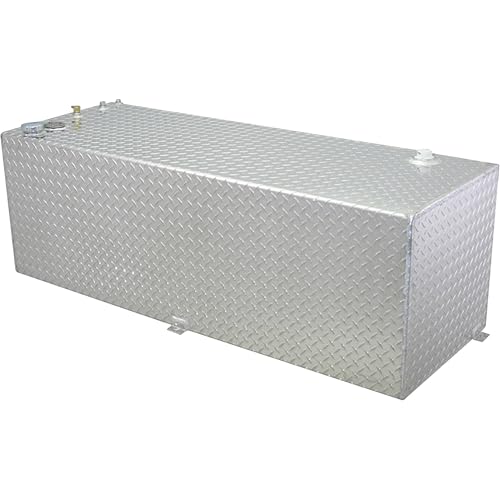
Capacity is the first specification most buyers compare, and the list spans from a 45-gallon RDS tank to a 200-gallon RDS Auxiliary Transfer Fuel Tank. Capacity alone is not enough; overall dimensions determine whether a tank fits your bed. Short-bed owners may prefer the narrow 13-inch width of the RDS 71212 60-Gallon tank, while long-bed trucks can accommodate taller options like the RDS 72118 90-Gallon vertical tank. Always measure the available bed length, width between wheel wells, and any planned tool box space before ordering.
Aluminum Construction and Baffles
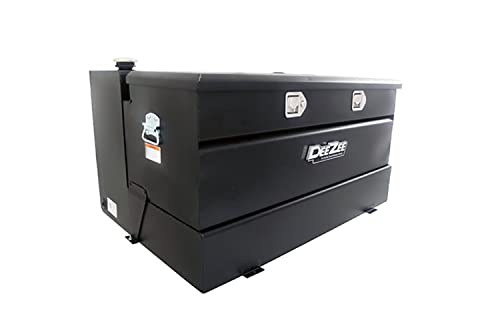
Aluminum is favored for transfer tanks because it does not rust, which is a key reason every tank in this comparison uses an aluminum body. Look for fully welded seams, as referenced in multiple RDS and Dee Zee listings, because welded seams resist vibration fatigue better than spot-welded alternatives. Several tanks also add internal baffles to reduce fuel movement; the RDS 200-gallon tank documents a baffled design, and the Dee Zee DZ92556NB lists three stability baffles and a drain plug for a similar effect.
Venting, Fill, and Drain Features
Refueling hardware includes lockable caps, rollover vents, sight gauges, and drain plugs. The Trail FX 100-gallon tank and the RDS 200-gallon tank both document lockable caps and recessed or rollover-style vents. For shops that monitor fuel levels visually, a sight gauge, as documented on the 200-gallon RDS tank, is a useful feature.
Mounting and Compatibility
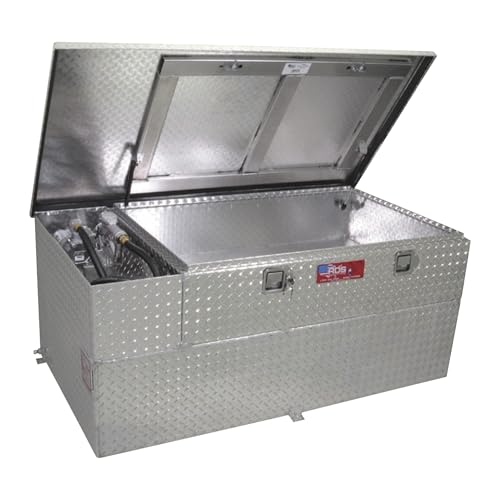
Heavy-duty aluminum mounting brackets and mounting tabs are standard across the RDS line, including the 60-Gallon RDS 73326 combo. The RDS 71212 explicitly notes it fits some short beds, which is a useful indicator for buyers to measure carefully. Locking fill caps and rollover vents are documented on the RDS 200-gallon tank, while the UWS Hammerhead L-Shape tank uses a reinforced collar to secure its commercial-grade vented cap.
Pump and Hose Integration
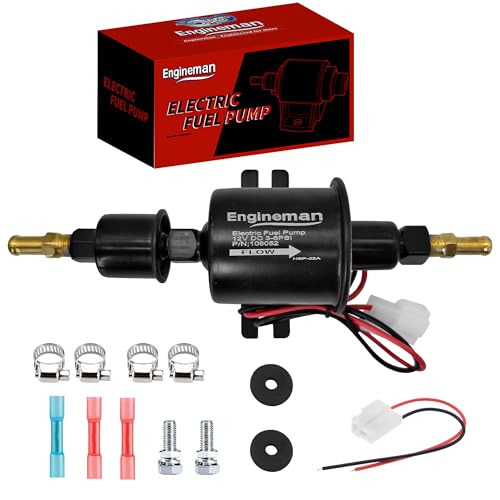
Buyers can choose between tank-only and combo configurations. Tank-only options, such as the RDS 71792 80-Gallon and the Dee Zee DZ91750, require a separately sourced electric fuel pump and pickup tube, which adds flexibility but also extra planning.
Fuel Type and Regulatory Notes
Multiple RDS listings specify that gasoline auxiliary fueling is allowed only when siphoned from the top of the tank with an electric fuel pump, and at least one RDS tank states it cannot be used to transfer gasoline to another vehicle. The UWS Hammerhead L-Shape tank is listed for diesel and other non-flammable liquids, which is an important consideration for gasoline users.
Final recommendation
RDS Aluminum Auxiliary Transfer Fuel Tank, 200 Gallon Rectangular Smooth ranks first overall in this specification-based comparison under the published weighted criteria.
The final choice among the best aluminum fuel transfer tanks depends on the documented features that match your intended use.
The RDS Aluminum Auxiliary Transfer Fuel Tank, 200 Gallon Rectangular Smooth earns the top aluminum fuel transfer tanks specification-based position by combining the largest capacity in the comparison with a baffled interior, sight gauge, 6-inch inspection port, and a 2-inch coupling compatible with standard transfer pumps. Among the top aluminum fuel transfer tanks with a more compact bed footprint, the RDS MFG INC 71212 Rectangular Fuel Tank 60-Gallon is a strong pick thanks to its narrow 13-inch width and short-bed-friendly design.
Frequently Asked Questions
What capacity range is common among the best aluminum fuel transfer tanks?
The best aluminum fuel transfer tanks in this comparison range from 45 gallons up to 200 gallons. Mid-capacity options around 60 to 80 gallons are the most common and fit a wide variety of full-size and short-bed trucks, while 90 to 200-gallon tanks are typically chosen for long-haul, commercial, or worksite use where maximum range is the priority.
Fully welded seams, as listed on several RDS and Dee Zee tanks, improve resistance to vibration and leak risk. Internal baffles, documented on the RDS 200-gallon tank and the Dee Zee DZ92556NB, limit fuel movement during braking and cornering. Together, these features help stabilize the tank and reduce wear on mounting hardware and internal fittings.
Can aluminum fuel transfer tanks be used with gasoline?
Several RDS listings state that gasoline auxiliary fueling is allowed when fuel is siphoned from the top of the tank with an electric fuel pump, and one RDS tank explicitly notes it cannot be used to transfer gasoline to another vehicle. The UWS Hammerhead L-Shape tank is listed for diesel and other non-flammable liquids. Always check the specific product listing for the intended fuel types before purchase.
What is the difference between a tank-only and a combo transfer tank?
A tank-only product, such as the RDS 71792 80-Gallon or the Dee Zee DZ91750, ships without a pump, hose, or nozzle, letting the buyer choose components separately. Tank-only options allow more customization, while combos simplify installation.
How do I confirm a transfer tank will fit my truck bed?
Measure the available length between the cab and tailgate, the width between the wheel wells, and the height clearance under any tonneau cover or cap. The RDS 71212 60-Gallon tank notes a 56-inch length and narrow 13-inch width for short beds, while the RDS 72118 90-Gallon tank stands 26 inches tall for vertical clearance planning. Comparing these numbers against your bed dimensions is the most reliable way to confirm fit.