Buying Guide
Finding the right anti-static spray depends on more than grabbing the first can you see. Capacity, formula type, and how you plan to use the product all influence which option will deliver the best results. This guide breaks down the practical factors to consider before you add a spray to your routine.
Sizing and Capacity
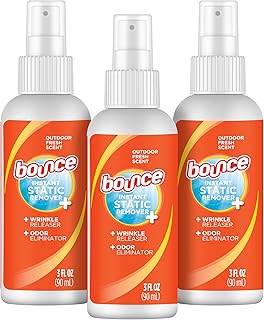
Anti-static sprays come in a wide range of sizes, from pocket-friendly travel bottles to large household cans. A single 9.7-ounce bottle works well for someone who treats several loads of laundry or refreshes upholstery weekly. Smaller 3-ounce bottles fit easily in a desk drawer, gym bag, or carry-on, making them ideal for commuters and travelers. If you manage static across a large household or multiple closets, multi-packs and bonus bundles can keep you stocked without requiring frequent reorders. Before you choose, estimate how often you reach for a spray in a typical month. Heavy users usually benefit from larger capacities or bulk sets, while occasional users may find that a compact can lasts an entire season.
Feature Tradeoffs
Modern anti-static sprays often do more than stop cling. Many formulas now double as wrinkle releasers, odor eliminators, or fabric refreshers. A 3-in-1 product can simplify your routine by replacing several bottles with one, which saves storage space and reduces clutter. However, dedicated anti-static formulas may offer more targeted performance for severe static problems. If you primarily fight shocks on synthetic blouses or winter layers, a specialized residue-free spray may outperform a general-purpose refresher. On the other hand, if you want a quick morning touch-up that also smooths creases and freshens a scarf, a multi-function spray is usually the more practical choice. Consider whether you value convenience or focused power, and let that guide your selection.
Application and Setup Considerations
Using an anti-static spray is straightforward, but a few habits can improve your results. Always hold the can at the distance recommended on the label—typically six to eight inches—to create an even mist without oversaturating the fabric. Overspraying can leave damp spots or, in some formulas, a slight film. Test a small hidden area first when treating delicate materials, vintage textiles, or fabrics with special dyes. For upholstery and rugs, spray lightly and allow the surface to air dry before anyone sits or walks on it. If you are treating clothing, hang the garment on a broad-shouldered hanger so air can circulate as it dries. Travel-size bottles are perfect for quick touch-ups in office restrooms or hotel rooms, but keep in mind that smaller nozzles may produce a finer stream than full-size cans.
Maintenance and Storage
To keep your spray performing well, store cans in a cool, dry place away from direct sunlight and heat sources. Extreme temperatures can affect pressure inside aerosol cans and may alter the consistency of liquid pump formulas. If you purchase a multi-pack, rotate your stock so you finish the oldest can first. Check the nozzle periodically for buildup; a quick wipe with a damp cloth can prevent clogging. For households with pets or children, place sprays on a high shelf or in a locked cabinet, since even natural-formula products are not meant for ingestion. If you notice the scent fading or the spray pattern weakening before the can is empty, it may be time to replace it, as anti-static agents can lose potency over long storage periods.
Reliability Signals
When comparing anti-static sprays, review volume and recent purchase activity are two of the strongest reliability signals. A product with several thousand ratings and consistent monthly sales usually indicates broad consumer trust and repeat buying. Look beyond the star average and read the most recent reviews for mentions of fabric types similar to yours. If dozens of reviewers mention success with fleece, silk blends, or office chairs, you can feel more confident the spray will handle your specific situation. Be cautious of listings with perfect scores but only a handful of reviews; they lack the statistical depth to confirm consistent quality. Similarly, a sharp drop in recent purchases may suggest supply issues or a formula change that has turned buyers away.
How to Compare Reviews
Start by filtering reviews for keywords like “residue,” “scent,” “travel,” or “wrinkles.” This helps you identify whether a product excels at your exact priority. Pay attention to reviews that mention repeat purchases, since returning customers are a strong sign of satisfaction. Look for patterns in negative feedback as well. If multiple users report that a spray works on cotton but fails on polyester, and your wardrobe is mostly synthetic, that product may not be your best match. Photos from verified buyers can also reveal how fabrics look after treatment, which is especially useful for dark clothing where residue might be visible. Finally, consider the seasonality of reviews. Many shoppers buy anti-static sprays in winter, so a surge of positive ratings during dry months suggests the formula performs when static is at its worst.
Final Recommendation
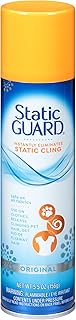
If you want one product that handles static, wrinkles, and odors in a busy household, a large multi-function twin pack offers the best balance of coverage and convenience. For shoppers who prefer a simple, time-tested formula with a pleasant scent, a classic 5.5-ounce fabric spray remains a dependable choice. Travelers and office workers should look for 3-ounce sizes or variety packs that include a small can for bags. Those dealing with severe static on delicate fabrics may prefer a residue-free dedicated formula even if it lacks extra features. Start by matching the spray size to your usage frequency, then decide whether you need a 3-in-1 refresher or a targeted anti-static treatment. By aligning the product strengths with your daily routine, you can eliminate cling and shocks quickly and effectively.