Buying Guide
Choosing among the best antitheft locking devices means balancing visibility, physical strength, and the practical details of your daily driving routine. A lock that is difficult to install often ends up in the trunk instead of on the wheel, so usability matters just as much as steel thickness. Below is a practical framework for evaluating steering wheel locks, pedal locks, and combination systems.
Sizing and Vehicle Compatibility
Before ordering, measure your steering wheel diameter and grip thickness. Most antitheft locking devices advertise universal fit, but the usable range varies. Compact cars and sedans typically have smaller wheels, while trucks and SUVs may need a longer telescoping bar. If you drive a vehicle with a thick racing-style or padded wheel, verify that the hooks or claws can open wide enough to seat securely without stretching the mechanism. For pedal-to-wheel locks, measure the distance from the steering wheel to the brake or clutch pedal to ensure the bar extends far enough without leaving dangerous slack.
Feature Tradeoffs: Wheel Locks vs. Pedal Locks
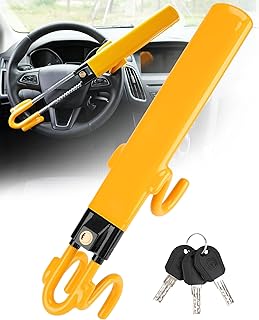
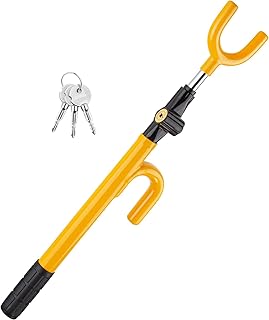
Steering wheel locks remain the most common antitheft locking devices because they are highly visible and quick to deploy. Twin-hook designs grip the wheel at two points, which helps resist single-point leverage attacks. Single-bar models are often lighter and faster to attach but may allow slightly more rotation if the wheel has play.
Pedal locks and pedal-to-wheel bars add a second immobilization point. By securing the brake or clutch, they prevent a thief from operating the vehicle even if the steering column is compromised. The tradeoff is installation time: routing a bar from the wheel to the footwell takes more seconds each morning. If you park in high-risk areas, the extra layer can be worth the inconvenience. For lower-risk daily commuting, a quality steering wheel lock alone is usually a sufficient deterrent.
Installation and Setup Considerations
Most steering wheel locks arrive ready to use with no tools required. Extend the bar, hook the device over the wheel, and lock the cylinder. However, some models ship with foam pads or rubber sleeves that you must install over the metal contact points. Take a moment to align these protectors correctly; they prevent the hooks from digging into leather or vinyl and keep the lock from rattling while you drive.
If you choose a combination seat-belt and steering-wheel lock, practice threading the strap through the wheel and clicking it into the seat-belt receptacle a few times at home. These systems are intuitive once learned, but fumbling in a dark parking lot reduces the likelihood you will use the device consistently.
Maintenance and Longevity
Antitheft locking devices live in glove compartments, under seats, and in trunks where dust and temperature swings are common. Periodically wipe the locking cylinder with a dry cloth and apply a small amount of graphite lubricant if the key begins to stick. Avoid oil-based lubricants, which attract grit. Inspect the rubber or foam coatings every few months; if they tear, replace them or wrap the contact points in soft tape to prevent wheel damage.
Exposure to summer heat can make plastic components brittle over time, while winter cold may stiffen telescoping bars. Store the lock out of direct sunlight when not in use, and cycle the lock open and closed before the first freeze of the year to ensure smooth operation.
Reliability Signals and How to Compare Reviews
When reading owner feedback, look beyond the star average. A high review count with consistent praise for build quality is usually more reliable than a perfect score based on a handful of ratings. Pay attention to comments about key durability, because a snapped key or a sticky cylinder is the most common long-term complaint.
Check for patterns regarding false fits. If multiple reviewers with a specific truck model say the bar is too short, take that seriously even if the listing claims universal compatibility. Similarly, note whether buyers mention rattling or noise; a lock that bangs against the wheel while driving is a distraction you will want to avoid.
Recent purchase velocity is another reliability signal. A lock that continues to sell thousands of units per month usually indicates sustained manufacturer quality and customer satisfaction. Stagnant sales on an older listing can sometimes mean stock turnover issues or declining quality control.
How to Choose Among the Ranked Products
If you want the strongest blend of owner trust, recent popularity, and proven durability, the top-ranked heavy-duty steering wheel locks with high sales velocity are the safest starting point. They offer hardened steel, adjustable fits, and a visible deterrent effect that satisfies most daily drivers.
For those who prefer a legendary name and a twin-hook design that has been road-tested for years, the classic Club-style options provide familiar security with a compact stowed profile. Drivers of larger trucks and SUVs should look closely at the pedal-to-wheel and extended-bar models, which immobilize more of the vehicle’s controls and accommodate bigger cabins.
If budget and weight are primary concerns, the lighter adjustable-length locks still deliver a visible barrier without the heft of premium steel. They are especially suitable for commuters who need quick deployment and removal several times a day.
Finally, if you want the highest possible owner-satisfaction rating and do not mind a slightly higher investment, the premium LX-series and double-hook models with standout ratings offer refined fit and finish along with strong theft deterrence. Match the lock to your vehicle size, risk level, and willingness to spend an extra few seconds on installation, and you will end up with an antitheft locking device you actually use every day.