Buying Guide
Choosing the right athletic socks for boys is about more than picking a color or pack size. The best options support growing feet, manage sweat, and survive the wear and tear of daily sports and playground use. This guide breaks down the practical factors to consider before you buy.
Sizing and Fit Considerations
Boys’ sock sizing typically follows age or shoe-size ranges, but growth spurts can make fit unpredictable. Look for styles that span multiple sizes—such as little kid through big kid or even adult—so the sock can adapt over a season or two. A proper athletic fit should feel snug in the heel and midfoot without constricting the toes. Excess fabric at the toe can bunch inside cleats or running shoes, while a loose cuff can slide down and cause blisters during activity. If your child is between sizes, consider the fabric blend: cotton-rich socks often have less stretch than synthetic blends, so a size up may be safer for fast-growing feet, whereas elastic-forward mixes tend to hug the foot more aggressively.
Height and Coverage Tradeoffs
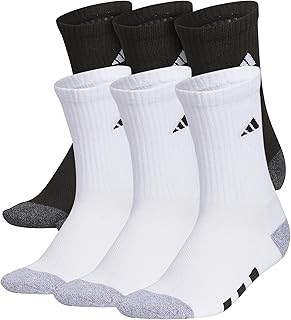
Athletic socks for boys come in several heights, and each serves a different purpose. Crew socks rise to the mid-calf and are ideal for cooler weather, outdoor sports, and school uniforms because they protect the lower leg from dirt and abrasion. Quarter socks stop just above the ankle and offer a middle ground—enough coverage to prevent shoe rub without the extra fabric of a full crew. Low-cut and no-show styles sit below the ankle line; they pair best with sneakers for gym class or casual wear but offer less protection on grassy or gravel fields. For multi-sport athletes, a mixed pack that includes crew and ankle options can cover every season.
Cushioning and Support
Cushioning levels vary from ultra-thin liner socks to thick padded footbeds. Full cushioning under the heel and forefoot helps absorb impact during running, basketball, and jump-heavy activities. Half-cushioned designs reduce bulk while still protecting high-pressure zones, making them a smart choice for warm-weather practice. Beyond padding, look for reinforced heels and toes. These high-friction areas wear out first, so extra yarn density or double-layer construction extends the life of the sock significantly. Some athletic socks also include arch compression bands that reduce foot fatigue during long days on the move.
Fabric and Moisture Management
Cotton is soft and breathable, which makes it comfortable for everyday wear, but it retains moisture. For intense athletics, blends that incorporate polyester, nylon, or spandex tend to wick sweat away from the skin more effectively and dry faster between activities. If your child plays outdoor sports in the heat, prioritize breathable mesh panels or ventilated knits that allow air to circulate around the foot. For cooler months, a slightly thicker cotton blend with moisture-wicking treatment can keep feet warm without turning clammy. Always check care labels: high-heat drying can break down elastic fibers over time, so low-tumble or line drying often preserves the fit longest.
Durability and Maintenance
Boys’ socks take a beating. The best athletic socks for boys use reinforced stitching at the toe seam and a dense knit in the heel to resist holes. Darker colors and heathered blends tend to hide grass stains and dirt better than bright whites, which can be a practical consideration for outdoor sports. Turn socks inside out before washing to clean the sweat-prone interior surface more thoroughly, and avoid fabric softeners, which can coat moisture-wicking fibers and reduce their effectiveness. Rotating between several pairs rather than wearing the same few daily also extends the lifespan of the elastic.
How to Compare Reviews
When reading feedback, focus on comments that mention fit after washing, blister prevention, and how the sock holds up over a school semester. A high average rating is a good starting signal, but the volume of reviews matters too: a 4.8-star average from a few hundred buyers is encouraging, while the same score from several thousand carries stronger reliability weight. Pay attention to repeat mentions of sizing—if multiple parents note that a style runs small or large, adjust your selection accordingly. Photos in reviews can also reveal how the cuff height looks on a child’s leg and whether the cushioning appears substantial or thin in real-world use.
Making the Final Choice
If you need one versatile solution to cover school, sports, and weekend wear, a large multipack with moisture-wicking fabric and multiple height options offers the most flexibility. For single-sport athletes, a purpose-built cushioned crew or quarter sock with reinforced high-wear zones will likely outperform general-use styles. Families on a tight schedule may prefer bulk packs that reduce laundry frequency, while those focused on brand consistency might gravitate toward established sportswear names with proven arch support. Match the sock height to your child’s primary footwear, verify that the size range accommodates growth, and prioritize reinforced construction over novelty details. The ranked products above reflect a range of these priorities, so you can choose the pair that best fits your boy’s routine.