Buying Guide
Selecting the best archery protective gloves starts with understanding how you shoot, what bow you use, and how often you practice. A glove that works well for casual target shooting may not hold up to the demands of hunting season or high-volume training. This guide breaks down the practical factors that separate a reliable finger protector from a piece that will sit unused in your gear bag.
Sizing and Fit Considerations
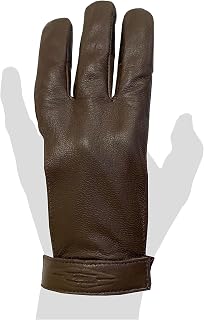
Archery gloves rely on a close fit to maintain consistent string contact. If the glove is too loose, the material can bunch and twist at full draw, changing your release and causing inconsistent arrow flight. Too tight, and the leather can compress nerves or restrict blood flow during long sessions.
Most three-finger archery gloves come in standard small, medium, large, and extra-large sizes. Measure the width of your palm just below the knuckles and compare it to the manufacturer’s chart. Keep in mind that genuine leather stretches slightly after a break-in period, so a snug fit out of the package is usually preferable to one that feels roomy. Some modern designs incorporate elastic panels or adjustable wrist closures, which help the glove conform to a wider range of hand shapes without adding bulk.
Youth shooters should avoid simply sizing down an adult glove. Youth-specific models offer shorter finger stalls and narrower palms, which keeps the protective leather positioned directly over the fingertips rather than sliding forward or backward on the string.
Material Tradeoffs: Genuine Leather vs. Synthetic
The best archery protective gloves typically use leather for the finger stalls because it offers a natural balance of grip, durability, and feel. Full-grain and cow leather tend to be stiffer at first but last longer and resist abrasion from heavy bowstrings. Softer leathers like doeskin or suede provide excellent tactile feedback and require less break-in, though they may wear faster if you shoot a high-poundage bow or practice daily.
Synthetic PU leather and lightweight fabric blends reduce current Amazon listing detail and can be easier to clean, but they sometimes lack the heat resistance and string-grip characteristics of real hide. If you shoot in wet or humid conditions, note that untreated leather can stiffen after drying. Some archers keep a synthetic backup for rainy days and reserve their leather gloves for fair-weather practice and competition.
Finger Coverage and Design Style
Three-finger gloves protect the index, middle, and ring fingers of the draw hand. Within that category, you will find two main styles: the traditional shooting glove and the finger-tab hybrid.
A traditional glove covers the entire finger segment from tip to base, which spreads string pressure across a larger surface area. This design is forgiving for beginners and works well for traditional and recurve shooters who use a Mediterranean draw. Finger-tab hybrids cover only the pad side of the fingers, leaving the back open for ventilation. They tend to offer a more direct connection to the string and are popular with target archers who want maximum sensitivity.
If you shoot a compound bow with a mechanical release, you generally do not need a finger-protection glove for the release hand, though some hunters still wear a thin glove on the bow hand for grip and weather protection. Always match the glove design to your specific bow style and shooting philosophy.
Setup and Wearing Tips
Unlike complex gear, archery gloves require minimal setup, but a few habits will extend their life and improve your shooting. Before the first use, flex the finger stalls gently to soften the leather and check for any protruding stitches that could catch on the string. Put the glove on your draw hand and grip the bowstring at your usual anchor point. The leather should lie flat; if you feel ridges or gaps, try the next size up or down.
After each session, store the glove flat or loosely rolled in a dry place. Avoid leaving it compressed under heavy range bags, which can crease the leather and create weak points. If the glove becomes soaked, let it air dry away from direct heat sources. Applying a small amount of leather conditioner every few months keeps the material supple and prevents cracking, especially in arid climates.
Maintenance and Longevity Signals
Reliable archery protective gloves show their quality in the stitching and edge finishing. Inspect the seams where the finger stalls meet the back of the hand; these areas take the most stress during the draw. Double-stitched or cross-stitched seams generally outlast single rows of thread. If the leather begins to thin or polish smooth at the fingertip pads, the glove is approaching the end of its protective life. A shiny, slick surface offers less grip and can lead to inconsistent releases.
Pay attention to the wrist closure as well. Velcro straps can accumulate burrs from bowstring servings, and elastic bands can lose tension over time. Replacing a worn glove before it fails protects your fingers and preserves your shooting form.
How to Compare Reviews Effectively
When reading shopper feedback on archery gloves, look beyond the star average and focus on context. A reviewer shooting a 25-pound recurve three times a month will have different durability expectations than someone drawing a 50-pound longbow every weekend. Prioritize reviews that mention your bow type, draw weight, and session length.
Sizing complaints are common, so note whether reviewers say a glove runs large or small relative to the chart. Photos in reviews can reveal how the leather ages after weeks of use. Finally, check for repeated mentions of specific failure points, such as stitching unraveling or dye transferring to the hand. Isolated complaints may reflect a defective unit, but patterns across dozens of reviews signal a design weakness.
Final Recommendation
The best archery protective gloves for you depend on your experience level, bow setup, and budget. If you want a proven, widely trusted option with thousands of verified ratings, a soft-leather three-finger model designed for youth and adult beginners offers the safest starting point. Recurve and longbow enthusiasts who value a low-profile release should look toward a durable leather finger-tab design that preserves string feel. Traditional shooters and hunters often prefer a branded full-grain leather glove that breaks in like a favorite piece of outerwear.
For families, clubs, or anyone who wants a spare on hand, a two-pack value set delivers practical protection without overcomplicating gear selection. If you need all-in-one coverage, a combo that pairs a finger glove with an adjustable arm guard simplifies your purchase and ensures consistent protection from bowstring contact at both the hand and forearm. Prioritize fit above all else, choose leather appropriate for your shooting frequency, and replace the glove at the first sign of worn fingertips to keep every release clean and comfortable.