Buying Guide
Choosing among the best art painting kits starts with understanding how you plan to paint, where you will work, and which supplies you already own. A kit that excels for a weekend hobbyist may differ from one built for a dedicated student or a professional seeking a portable studio. This guide breaks down the practical factors that separate a worthwhile investment from a bundle that will sit unused.
Sizing and Capacity
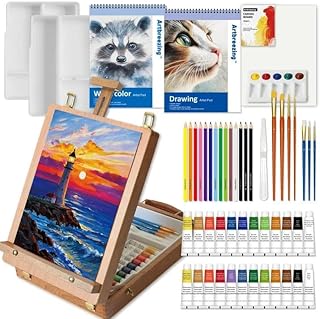
Art painting kits vary dramatically in scale. Compact sets with two dozen colors and a handful of brushes fit easily into a closet or backpack, making them ideal for small apartments, travel, or children’s craft areas. Mid-size kits typically include thirty to seventy pieces and add surfaces such as canvas panels or paper pads. These suit beginners who want to experiment without buying every component separately. Large comprehensive collections can exceed one hundred pieces and often include a full-size easel, multiple paint mediums, and extensive drawing tools. Before you decide, measure your storage space and consider whether you need a kit that travels or one that anchors a permanent workspace.
Feature Tradeoffs
All-in-one kits that bundle an easel, canvases, and three paint types offer unmatched convenience, but they also require more room and a higher upfront commitment. If you know you prefer acrylics, a streamlined acrylic set with extra brushes and a palette often delivers better pigment volume per color than a massive mixed-media collection. Watercolor travelers prioritize compact pans and a water cup, while oil painters need thicker pigments, potentially a palette knife, and a sturdier easel that can handle heavier canvas. Think about which medium excites you most. A kit that aligns with your preferred technique usually sees more use than a broader bundle that includes supplies you may never open.
Setup and Workspace Considerations
French easels and aluminum-and-wood combinations provide excellent stability for floor or table use, yet they require assembly and floor space. Tabletop sketch box easels fold down into portable cases that store supplies internally, which is perfect for kitchen tables or classroom desks. If you paint outdoors, look for kits with lightweight easels and secure closures that protect tubes and brushes during transit. Also check whether the included canvases or panels match the easel’s maximum clamp or holder size. A mismatch can leave you propping work against a wall, which defeats the purpose of a bundled setup.
Maintenance and Longevity
Paint consistency and brush quality determine how long a kit remains useful. Acrylics dry quickly and clean with water, making them low-maintenance for shared spaces. Oils offer blendability but need solvent or linseed oil for cleanup and longer drying times. Watercolors are forgiving but rely on transparent layering that requires decent paper weight; thin paper in a cheap pad can buckle and frustrate new painters. Brushes with synthetic bristles work well for acrylics and watercolors, while natural hair is often preferred for oils. After each session, reshape damp brushes and store them bristle-up to prevent splaying. A kit that includes a cleaning cup or palette with a lid helps preserve leftover paint and reduces daily cleanup time.
Reliability Signals
When comparing art painting kits, review count and recent purchase velocity reveal real-world satisfaction more clearly than star averages alone. A set with thousands of reviews and a strong monthly sales rate suggests consistent manufacturing and color accuracy across batches. Read recent feedback for mentions of dried tubes, cracked palettes, or wobbly easels. Look for patterns: if multiple buyers mention that brushes shed or canvases arrive warped, those issues likely persist. Conversely, repeated praise for vibrant pigments, sturdy easel hinges, and well-organized storage indicates a kit that will hold up through dozens of sessions.
How to Compare Reviews
Focus on reviews from buyers whose goals match yours. A professional artist may criticize student-grade pigment opacity, but that same set could be perfect for a beginner learning color mixing. Pay attention to photos buyers post of finished work; they reveal true color saturation and canvas texture better than marketing images. Check the one-star and two-star reviews for current Amazon listing detail-breaking defects rather than isolated shipping complaints. If a kit has a high average rating but recent reviews trend downward, manufacturing may have changed. Prioritize listings with sustained positive feedback over the last several months.
Final Recommendation
If you want the broadest range of supplies in a single purchase, choose a large all-in-one kit that includes an easel, multiple paint mediums, and drawing accessories. These collections eliminate the need for separate shopping and provide a complete studio experience. For those focused on acrylic painting, a mid-size set with a generous color range, several brushes, and a few canvas panels offers better value and faster setup. Beginners should look for kits that include a table easel and pre-stretched surfaces so they can start painting within minutes of unboxing. If you travel or prefer spontaneous sketching, a compact watercolor set with a built-in palette and detail brush will serve you better than a bulky floor-easel bundle. Match the kit to your space, your preferred medium, and your willingness to maintain the supplies, and you will find an option that stays in use long after the first canvas is complete.