Buying Guide
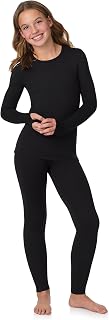
Choosing the right base layer for a young athlete is about more than picking a thermal set in her favorite color. The best athletic base layers for girls must manage body heat, move with her, and survive frequent washing. Below is a practical guide to sizing, fabrics, care, and how to interpret reviews so you can buy with confidence.
Sizing and Fit Considerations
Girls’ base layers should fit like a second skin without restricting breathing or movement. Look for listings that offer a true-to-size chart rather than a generic toddler-to-youth range. A close fit traps warmth and wicks sweat efficiently, but if the garment is too tight around the shoulders or hips, it can chafe under a sports bra or uniform. Many parents size up once to accommodate growth spurts, especially in winter sets that may be worn for two seasons. However, oversized base layers can bunch under compression shorts or ski pants and lose their moisture-wicking contact with the skin. Check reviewer photos and comments for guidance on whether a brand runs small, large, or true to size.
Feature Tradeoffs: Fabric, Weight, and Cut
Not all base layers serve the same purpose. Lightweight, breathable knits excel at indoor training and early fall sports because they vent heat quickly. Fleece-lined or insulated sets are better for skiing, snowboarding, and outdoor soccer on frosty mornings. Moisture-wicking synthetic blends or merino-style fabrics pull perspiration away from the body, which is critical when a child moves from a cold bench into active play. Cotton blends, while soft, tend to hold moisture and can leave a child damp and chilled.
Compression cuts can reduce muscle fatigue and keep everything in place during gymnastics or dance, but some kids find them too restrictive for casual wear. Relaxed-fit thermals offer more comfort for sleepovers or school layering yet may ride up during cartwheels or sprints. Consider buying one of each type if she plays multiple sports across different seasons.
Layering and Wear Setup
Think of a base layer as the foundation of a layering system. It should sit directly against the skin, followed by a mid-layer fleece or jersey, and then an outer shell or uniform. Avoid base layers with large tags, thick seams, or bulky waistbands that can irritate skin under tight equipment. Tagless designs and flatlock stitching are worth prioritizing for kids who wear helmets, harnesses, or heavy backpacks. If she needs a base layer for dance or gymnastics under a leotard, look for nude or tan tones with minimal logos so they disappear under costumes.
Maintenance and Longevity
Youth athletic wear takes a beating. Turn garments inside out before washing to protect the fabric face and any printed care labels. Use cold water and a gentle cycle; high heat can break down elastic fibers and moisture-wicking treatments over time. Air drying is ideal, but if you must use a dryer, choose a low-heat setting. Avoid fabric softeners, which coat fibers and reduce breathability. If you notice pilling after a few washes, it is often a sign of friction from Velcro or rough backpack straps rather than a defect, but heavy pilling can indicate a lower-grade knit.
Reliability Signals to Watch For
When comparing girls’ base layers, look beyond the star average. A 4.8-star rating with three thousand reviews is generally more reliable than a 4.9 with twenty. Read the three-star reviews first; they often contain the most balanced notes on fit, durability, and whether the fabric pills or stretches out. Photos from verified buyers are especially useful for checking sleeve length, opacity, and true color. If multiple reviews mention that a set still looks new after a full season of washes, that is a strong reliability signal.
How to Compare Reviews by Activity
A thermal set that works for a sedentary camping trip may fail during a high-intensity basketball practice. Filter reviews by keywords like “soccer,” “ski,” “dance,” or “gymnastics” to see how the garment performs in your child’s specific sport. Look for comments on whether the waistband stays put during tumbling, if the cuffs keep snow out of boots, or if the top rides up during overhead movement. If you see repeated complaints about seam splitting at the knees or elbows, move on.
Final Recommendation: Matching the Right Product to Your Needs
If you want one set that handles the widest range of cold-weather sports, the fleece-lined girls’ thermal set with the highest review count is the safest starting point. For kids who play outdoor soccer, football, or baseball in late fall, the compression-style athletic sports base layer offers a closer fit that stays put under pads and jerseys. Families who need something for indoor training or mild climates should prioritize the lightweight, breathable option that avoids overheating.
Dancers and gymnasts will get the most utility from the nude-toned active undergarment set designed to disappear under costumes. If you are buying for a skier or snowboarder, choose the girls’ base layer explicitly marketed for skiing, since it is cut long enough to stay tucked into boots and snow bibs. Finally, if you are outfitting multiple children or want a neutral set that works for sleepovers and sports alike, the ultra-soft long john set with strong cross-gender sizing offers excellent versatility. Start with the activity, match the fabric weight to the season, and always verify fit through recent buyer photos before finalizing your choice.