Buying Guide
Understanding Athletic One Piece Swimsuit Styles
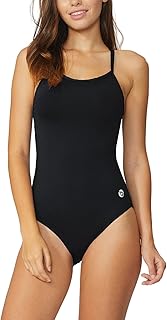
Athletic one piece swimsuits for women are not all built the same. The back style largely determines how the suit moves with you. Racerback designs pull straps inward to free the shoulder blades, which is ideal for freestyle and butterfly strokes. Flyback suits use a wider strap configuration that offers more upper-back coverage while still allowing flexibility. Fixed-back options provide the most stable feel and are often preferred by lifeguards and synchronized swimmers who want minimal strap movement. Cross-back and crisscross designs distribute tension across the back to reduce pressure points during long sessions. When comparing suits, look at how the back construction aligns with your primary stroke and whether you need full coverage or a more streamlined silhouette.
Sizing and Fit Considerations
A competitive fit should feel snug when dry because fabric loosens slightly in the water. Many swimmers size down for training suits to reduce drag, but everyday fitness swimmers may prefer their standard size for comfort during water aerobics or casual laps. Pay close attention to torso length; a suit that is too short will pull at the shoulders, while one that is too long may gap at the chest or waist. Adjustable straps are valuable for swimmers who fall between sizes or who want to fine-tune lift and support. If a listing notes tummy control or slimming panels, expect a firmer compression feel through the midsection. Always consult the brand-specific size chart rather than guessing, and read recent reviews for notes on whether a particular suit runs small or large.
Feature Tradeoffs to Evaluate
Thinner straps reduce drag and dry faster, but they can dig into the shoulders during extended wear. Wider straps and fixed-back styles add stability and are less likely to shift during flip turns or diving. Tummy control panels offer shaping and confidence, yet they may add slight bulk compared to unlined performance cuts. Solid colors and team colors are versatile for group training, while multi-color selections can help you identify your suit quickly on a crowded pool deck. Some athletic one piece swimsuits emphasize chlorine-resistant fabric blends, which matter if you swim more than three times per week. Decide whether your priority is raw speed and minimal drag, modest coverage and support, or all-day comfort for mixed aquatic activities.
Break-In and First-Wear Setup
Unlike fashion swimwear, athletic suits often arrive with a firm hand feel. Before your first swim, rinse the suit in cool water to remove any residual manufacturing finish and to test dye stability. Put the suit on completely dry; dampening the fabric first can make it harder to pull into place. Check that all seams sit flat against your skin and that the leg openings do not pinch. If the suit has adjustable straps, set them so you can slide one finger between the strap and your shoulder with light resistance. After the first few wears, the fabric will soften slightly and conform to your body, but it should never stretch to the point of gapping.
Maintenance and Longevity
Chlorine is the primary enemy of swimwear elasticity. Rinse your athletic one piece swimsuit in fresh, cool water immediately after every pool session. Avoid wringing the fabric; instead, press water out gently and lay the suit flat to dry away from direct sunlight. Rotating between two suits can extend the life of each by allowing fibers to recover between wears. Do not machine wash or dry unless the manufacturer explicitly states it is safe; even then, a hand rinse is gentler on elastic thread. Over time, you will notice thinning fabric or a relaxed fit around the bust and hips—these are reliable signals that the suit is nearing retirement and should be replaced to maintain support.
Reliability Signals and How to Compare Reviews
When evaluating the best athletic one piece swimsuits for women, look beyond the average star rating. A high review count combined with a consistent 4.2 to 4.5 average usually indicates a dependable pattern of quality. Read the most recent reviews first, since manufacturers occasionally change fabric suppliers or adjust sizing. Pay attention to repeated phrases about strap comfort, torso length, and whether the suit stays put during flip turns. Reviews that mention team purchases or coach recommendations are strong reliability signals for training use. Be cautious of listings with very few reviews or those where positive feedback focuses only on appearance rather than performance in the water.
Final Recommendations: How to Choose
If you swim daily and need a proven workhorse, prioritize adjustable-strap or racerback suits with high review volume and strong recent purchase trends. These options tend to offer the most predictable fit and durability. Competitive swimmers and those seeking minimal drag should look toward thin-strap or fixed-back designs that emphasize a streamlined profile. For water fitness, lifeguarding, or modest coverage needs, consider suits with wider straps, cross-back construction, or tummy control panels that keep everything secure during varied movement. Finally, if you are outfitting a team or prefer classic styling, solid-color flyback and endurance fabric suits remain reliable staples. Match the back style and compression level to your primary activity, verify sizing through recent user feedback, and invest in proper rinsing habits to get the most out of your choice.