Buying Guide
The best backlit cycling computers differ mainly in how they produce ride data, how much navigation they provide, and how the display handles changing light. A simple wireless computer can be enough for speed, distance, and elapsed time. A GPS head unit removes the need for a wheel magnet and can add elevation, route recording, sensor connections, and app syncing. Before choosing, match the computer to the way you ride rather than selecting only by screen size.
Choose the computer type first
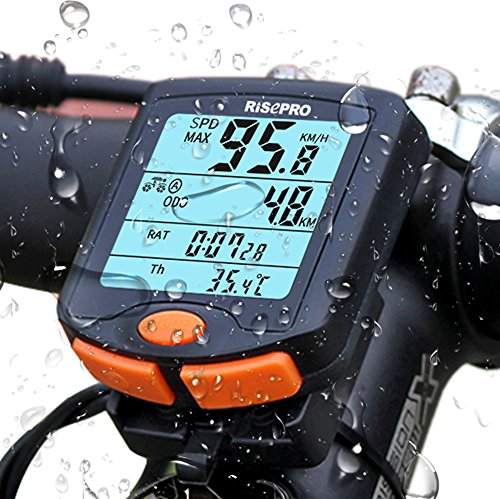
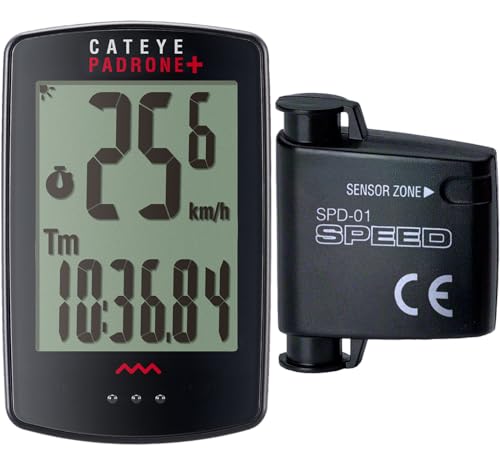
Sensor-based computers such as the RISEPRO YT-813 and CATEYE Padrone Plus focus on essential metrics. The RISEPRO adds two-bike settings and a four-line display, while the CATEYE uses a ClickTec interface and FlexTight bracket. These designs may suit commuters or recreational riders who want direct information without GPS setup, route files, or phone accounts.
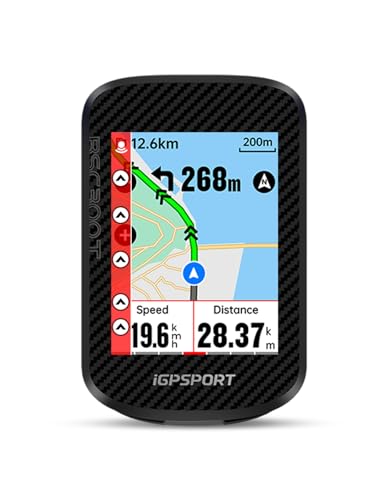
GPS models offer a different installation approach. The CooSpo BC107, BKVTOP TOP-350A-BL, Bikevee BKV300B-BL, and VLOXO use built-in GPS evidence rather than requiring a wheel sensor or spoke magnet. That can produce a cleaner handlebar setup, although GPS computers generally have more configuration and charging considerations. The CYCPLUS G1 is also GPS-based but uses a smaller 2.0-inch display.
Compare backlight and screen design
Backlight behavior matters if you ride before sunrise, after sunset, or through shaded roads. Automatic systems appear on the CooSpo CS600, CooSpo BC107, ROCKBROS GPS Bike Computer M1, CYCPLUS M1+Z1, CYCPLUS G1, BKVTOP TOP-350A-BL, and Bikevee BKV300B-BL listings. The VLOXO specifies manual backlight control, while the CATEYE Padrone Plus uses a programmable backlit display.
Screen size is not the only visibility factor. The ROCKBROS GPS Bike Computer M1 and CYCPLUS M1+Z1 list 2.9-inch glare-free FSTN displays, which may help riders who want larger text. The CooSpo CS600 uses a 2.4-inch color touchscreen, while the BKVTOP TOP-350A-BL and Bikevee BKV300B-BL use 2.4-inch LCD screens. A larger display can show more fields, but a compact unit may be easier to place on a crowded handlebar.
Decide how much ride data you need
For basic riding, speed, distance, time, and clock information may be sufficient. The CATEYE Padrone Plus lists those core functions, and the RISEPRO YT-813 adds maximum and average speed, odometer, and calorie information. These options keep the data presentation relatively focused.
Elevation and route context are more useful for climbing, touring, and training. The CooSpo CS600 lists GPS and GLONASS tracking, breadcrumb navigation, and more than 150 data insights. The ROCKBROS GPS Bike Computer M1 supports speed, cadence, heart rate, power, route, and altitude data through ANT+ sensor connections. The CooSpo BC107 also supports several ANT+ sensor types and can record ride data for later app analysis.
Check connectivity and navigation requirements
Bluetooth and ANT+ support are useful when you already own sensors. The CooSpo CS600, CooSpo BC107, and CYCPLUS M1+Z1 list wireless connections for cycling data, while the ROCKBROS GPS Bike Computer M1 lists ANT+ sensor support and app syncing. If you only need GPS tracking and basic ride metrics, the BKVTOP TOP-350A-BL and Bikevee BKV300B-BL have simpler evidence profiles and may avoid unnecessary pairing steps.
Navigation is a separate feature from GPS recording. The CooSpo CS600 lists route uploads, breadcrumb trails, and on-screen mapping. The other selected models should not be assumed to provide turn-by-turn guidance unless their supplied listing evidence says so. This distinction is important for riders choosing a computer for unfamiliar roads rather than simply recording a ride.
Consider weather protection
Water-resistance ratings provide a clearer comparison than general wording about rainy riding. The CooSpo CS600 and BKVTOP TOP-350A-BL list IPX7 protection. The CooSpo BC107 lists IP67, while the ROCKBROS GPS Bike Computer M1, CYCPLUS M1+Z1, and CYCPLUS G1 list IPX6. The RISEPRO YT-813 describes waterproof use in wet conditions but does not provide an IP code in the supplied specifications. The VLOXO and CATEYE Padrone Plus listings do not provide a water-resistance rating, so weather assumptions should be conservative.
Match battery claims to ride length
Battery capacity and stated runtime vary widely. The VLOXO listing claims up to 90 hours in standard GPS mode, while the ROCKBROS GPS Bike Computer M1 and CYCPLUS M1+Z1 list more than 60 hours. The CYCPLUS G1 lists more than 55 hours, and the CooSpo CS600 lists 36 hours. The BKVTOP TOP-350A-BL and Bikevee BKV300B-BL list up to 28 hours. These are public listing claims, not independent measurements, and actual operation may depend on settings and connected devices.
The CATEYE Padrone Plus and RISEPRO YT-813 are different because the supplied evidence does not state a rechargeable runtime. If you prefer not to recharge frequently, choose a model with a clear rechargeable battery specification. If you prefer basic operation and do not need GPS, a simpler computer may still be the better fit.
Final Recommendation
CooSpo CS600 Color Touchscreen GPS Bike Computer ranks first overall in this specification-based comparison under the published weighted criteria.
CooSpo CS600 is the first overall specification-based choice among these best backlit cycling computers because it combines auto-backlight visibility, route navigation, broad wireless connectivity, IPX7 protection, and a 36-hour stated battery life. It is the most specification-aligned match for riders who want a feature-rich GPS head unit rather than only a speed display.
The ROCKBROS GPS Bike Computer M1 and CYCPLUS M1+Z1 are compelling alternatives for long rides because both list large 2.9-inch backlit screens and more than 60 hours of operation. Choose the CYCPLUS package when the included front mount matters. For a simpler GPS setup, the BKVTOP TOP-350A-BL and Bikevee BKV300B-BL offer built-in GPS, automatic backlight, IPX7 protection, and 28-hour stated runtime. The VLOXO is more specialized, combining a computer with a light and horn.
Among the top backlit cycling computers for basic riding, the CATEYE Padrone Plus and RISEPRO YT-813 keep the feature set focused. The CATEYE is the cleaner choice for simple controls and core metrics, while the RISEPRO is useful when two-bike settings and a four-line display are priorities. Finally, the CooSpo BC107 and CYCPLUS G1 suit riders who want GPS and wireless ride data in more compact formats.
Frequently Asked Questions
What should I look for in the best backlit cycling computers?
Look for a clearly documented backlight, a screen size suited to your handlebar, and the data you actually need. GPS, ANT+ or Bluetooth support, navigation, IP protection, and stated battery runtime are useful comparison points. A basic computer may be preferable if you only need speed, distance, and time.
Are backlit cycling computers always GPS devices?
No. The CATEYE Padrone Plus and RISEPRO YT-813 document backlit displays but do not list GPS navigation. In contrast, the CooSpo CS600, CooSpo BC107, and CYCPLUS G1 list GPS-related functions. Backlighting describes display illumination; it does not determine how the computer measures or records a ride.
Is IPX7 better for rain than IPX6?
The ratings describe different water-resistance testing categories, but the supplied listings should be treated as the product-specific evidence. The CooSpo CS600 and BKVTOP TOP-350A-BL list IPX7, while the ROCKBROS GPS Bike Computer M1 and CYCPLUS G1 list IPX6. Follow the manufacturer’s care instructions and avoid assuming an unlisted rating.
Which selected computer has the longest stated battery life?
The VLOXO listing states up to 90 hours in standard GPS mode. The ROCKBROS GPS Bike Computer M1 and CYCPLUS M1+Z1 each list more than 60 hours, while the CYCPLUS G1 lists more than 55 hours. These figures come from public listings and are not independent test results.
Do I need ANT+ or Bluetooth sensors?
Not necessarily. Built-in GPS models such as the BKVTOP TOP-350A-BL and Bikevee BKV300B-BL can provide listed ride metrics without a wheel sensor or spoke magnet. ANT+ or Bluetooth becomes more relevant if you want data from heart-rate, cadence, speed, or power sensors, as supported by models including the CooSpo CS600 and ROCKBROS GPS Bike Computer M1.