Buying Guide
This guide compares the best running waist packs using documented bounce control and fit, phone and storage capacity, adjustability and waist range, moisture and weather protection, low-light visibility, breathability and weight, and race day and multi-sport features.
What matters most in a running waist pack
A running waist pack should disappear on your hips while keeping your phone, keys, and fuel secure. The best running waist packs share a few core traits: a stretch strap or tube that lays flat, a pocket layout that fits your phone with a case, and a back panel that breathes while you sweat.
Bounce control and fit
Bounce is the single biggest complaint with running waist packs. Look for elastic straps with anti-slip grip, dense bands that do not stretch out, and buckle-free tube designs for runners who chafe at hardware. The top running waist packs in this list use one-piece elastic or pull-on tubes that cinch close to the body so the pack moves with you instead of against you.
Phone fit and storage layout
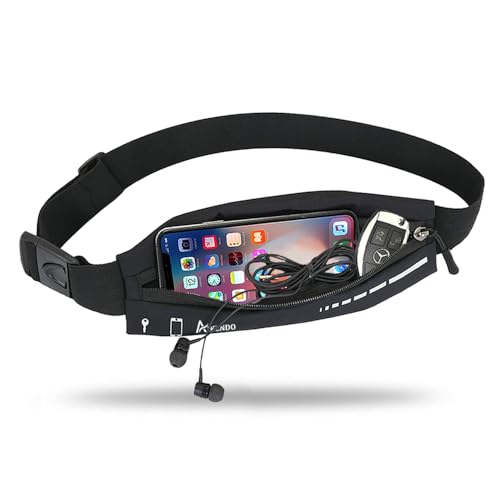
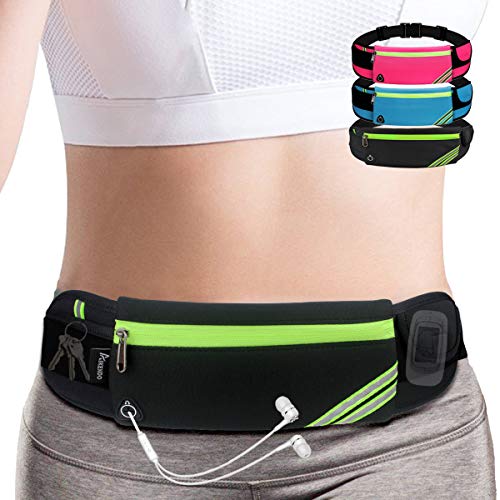
Most runners only carry a phone, a key, and a gel. If that is you, a slim belt with one main pocket plus a small side pocket is enough. If you want to stash a passport, cards, and energy gels, look for belts with three or more pockets and stretch fabric that lets the pocket expand around a cased phone.
Adjustability and waist range
A waist belt that is too loose bounces; one that is too tight digs in. Many running waist packs list an adjustable range that spans two sizes, and stretch straps cover an even wider span. Always check the listed waist range against your own measurement, and consider how the belt is meant to sit: low on the hips, on the hips, or at the natural waist.
Moisture and weather protection
Sweat-proof or splash-resistant fabric is enough for most runs, but if you run in wet climates or carry electronics, look for reinforced linings such as TPU and water-resistant zippers. None of the options here are fully waterproof, so plan for a dry bag if you expect prolonged rain.
Low-light visibility
Reflective strips, logos, or piping add visibility for dawn, dusk, and night runs. Dual reflective strips on the front and back are especially useful because they catch headlights from multiple angles. If you run mostly in daylight, visibility is less critical and you can prioritize other features.
Breathability and weight
A heavier belt can feel fine on a short run but annoying on a long one. Look for spandex, nylon, or mesh-backed fabrics that wick moisture and dry quickly. Sub-3-ounce belts are easy to forget about, while heavier packs can feel cooler in summer but warmer under layers in winter.
Race day and multi-sport features
If you race, look for a bib clip, reflective accents, and a fit that stays put under a singlet. Multi-sport packs with several zippered compartments also work well for hiking, travel, and festivals. Match the extras to how you actually train, and avoid paying for features you will not use.
Sizing, fit, and care tips
Pull-on tube belts usually run small when worn low on the hips, so check the brand’s size chart. Stretch-strap belts with buckles are more forgiving, but make sure the elastic is dense enough to keep the belt from creeping up during longer efforts. Most slim running belts can be hand-washed or machine-washed on a gentle cycle and air-dried to keep the elastic lively.
Final recommendation
U·LANARO Slim Running Belt with TPU Lining ranks first overall in this specification-based comparison under the published weighted criteria.
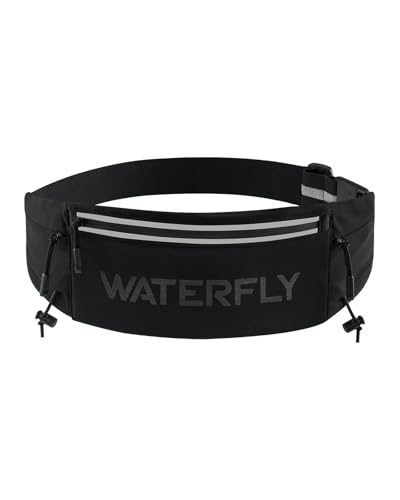
If you want one belt that combines bounce control, breathable comfort, and race-day extras like a bib clip, the WATERFLY Running Belt Fanny Pack with Bib Clip is the top specification-based choice among the best running waist packs here. Runners who prefer a buckle-free, lay-flat tube will be well served by the FlipBelt Level Terrain Waist Pouch, while those who want the widest waist range in a single belt should look at the WATERFLY Running Belt with Stretch Strap. Together, these three cover the top running waist packs for most training styles and race-day needs.
Frequently Asked Questions
Among the best running waist packs, what size running waist pack should I get?
Measure your waist where you plan to wear the belt, then pick a belt whose listed range covers that measurement. Many stretch-strap belts cover 27 to 48 inches, while pull-on tubes usually need you to size up if you wear the belt low on the hips.
Are running waist packs waterproof?
Most running waist packs are water-resistant, not fully waterproof. They handle sweat and light rain well, but heavy downpours or submersion can let moisture in. If you expect prolonged wet weather, pair the belt with a small dry bag or choose a model with a TPU lining.
Can I run a marathon with a running waist pack?
Yes. Many of the best running waist packs include race-friendly features like bib clips, reflective strips, and bounce-resistant straps. Make sure the belt sits snugly under your singlet, and test it on a long training run before race day.
Do running waist packs fit all smartphones?
Most modern running waist packs fit phones up to 6.5 to 7.5 inches with a case, but always check the listed maximum phone size. Slim belts with expandable pockets tend to be the most forgiving for larger phones, including the latest iPhone Pro Max and Galaxy Ultra models.
How do I clean a running waist pack?
Most slim running waist packs can be hand-washed in mild soap and air-dried. Some brands allow gentle machine washing in a mesh laundry bag. Skip the dryer, since heat can weaken elastic and damage reflective strips.