Buying Guide
The best scar treatment creams are not all the same type. The selected products include conventional scar gels, silicone gels, a balm, and daytime formulas with SPF. Product titles often use “cream” broadly, so the more useful comparison is the documented formula and the routine it requires. Before choosing, identify the scar’s cause and whether the skin is fully healed, then compare the product’s stated coverage, texture, and application instructions.
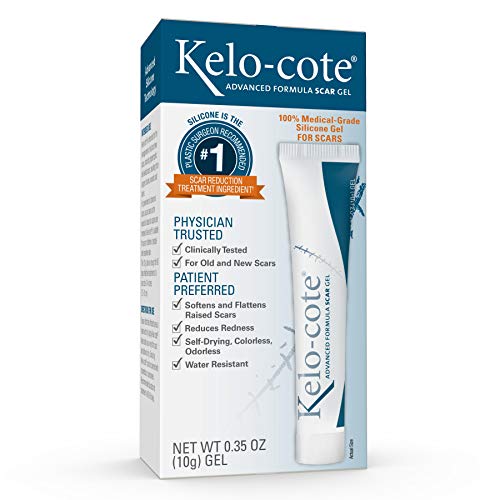
For raised or thickened scars, silicone is the most clearly documented design in this selection. Kelo-cote describes a flexible layer that helps soften and flatten raised scars, while ScarAway specifies 100% medical-grade silicone for hypertrophic and keloid scars. BIOCORNEUM also uses crosslinked silicone technology and lists keloid and hypertrophic scars among its uses. These products are directly aligned with shoppers prioritizing raised-scar care.
For broader cause coverage, Mederma Advanced Scar Gel lists acne, burns, injuries, and surgery, and Mederma Scar Cream Plus SPF 30 covers the same core categories while adding sun protection. Derma E extends its stated use to acne scars, burns, tattoos, stretch marks, and surgical scars. Cicatricure lists cuts, injuries, burns, acne, surgery, non-keloid scars, and hypertrophic scars. This breadth can be useful when the scar type is not limited to one cause, but it does not mean every product is interchangeable.
Consider silicone technology
A silicone gel generally forms a surface layer rather than functioning like a traditional moisturizing cream. In the supplied listings, that layer is described as flexible, breathable, invisible, or water resistant. Kelo-cote says its silicone layer is self-drying and can be worn under makeup. ScarAway states that a thin application can last up to 12 hours. The yarster gel is described as fast drying and suitable for flexible areas such as joints and the face.
Silicone products can suit shoppers who want a discreet surface treatment and documented raised-scar coverage. They may be less appealing if your priority is a named botanical or vitamin-based formula. Mitgary, ScarAway, BIOCORNEUM, Kelo-cote, and yarster provide the clearest silicone-focused options among the selected products.
Some shoppers want more than a silicone barrier. Derma E identifies panthenol, allantoin, and onion bulb extract, and its listing includes vegan and cruelty-free positioning plus exclusions such as parabens, sulfates, mineral oil, and petrolatum. NUVADERMIS names retinol, vitamin E, allantoin, and panthenol, and describes a transparent gel for fully healed skin. Cicatricure identifies Regenerare Complex and hydrating agents. Mederma PM describes Tripeptol, a complex containing peptides, collagen, and antioxidants.
Ingredient detail can help narrow a choice, but it should not be treated as a guarantee of results. Retinol in NUVADERMIS may be an important consideration for shoppers who already use retinoid products or prefer to avoid them. A fragrance-free profile is documented for yarster, while ScarAway lists several exclusions. The supplied evidence does not provide a complete irritation assessment for every product, so review each label and follow its directions.
Prioritize application fit
A product is only practical if its stated schedule fits your routine. Mederma Advanced Scar Gel specifies once-daily application. Kelo-cote calls for twice-daily use, and ScarAway describes morning-and-evening application. BIOCORNEUM also specifies morning and evening use. These schedules are comparatively simple to remember.
Other products require more frequent attention. Mederma Scar Cream Plus SPF 30 says to apply at least three times daily and to reapply at least every two hours when used as sunscreen. Derma E recommends massaging the gel two or three times daily, while Cicatricure lists four applications per day. Those directions may be reasonable for a shopper who can maintain them, but they are less convenient than a once- or twice-daily plan.
Texture also matters. Kelo-cote is described as colorless, odorless, silky, non-greasy, and water resistant. Mederma Advanced Scar Gel is described as quick absorbing without a sticky residue. Cicatricure and Mitgary are described as non-greasy, and yarster is described as fast drying. These are listing-based texture claims, not independent test results, but they are useful distinctions when comparing daily wear.
Do not overlook sun protection
Sun protection is the clearest differentiator between the selected products. Mederma Scar Cream Plus SPF 30 and BIOCORNEUM SPF 30 both document built-in SPF 30. Mederma says its product helps protect against UVA/B exposure and gives separate sunscreen reapplication directions. BIOCORNEUM describes broad-spectrum SPF 30 as part of its scar treatment.
The other selected products do not document SPF. If a scar is exposed during the day, a separate sunscreen may be needed, subject to the product’s directions and your skin-care routine. Choosing an SPF formula does not remove the need to follow its application schedule.
Check size and coverage area
The selected formats range from small 10-gram and 20-gram gels to Derma E’s 2-ounce container and Mitgary’s stated 50-gram size. A small tube may be suitable for one localized scar, while a larger format may be more practical when the documented use includes multiple body areas or stretch marks. Size alone does not establish effectiveness, so treat it as a logistics consideration rather than a performance measure.
Use only on appropriate skin
Several listings refer to new scars or newly healed wounds, but that wording does not mean the products should be applied to open or unhealed skin. NUVADERMIS specifically says to use its gel on fully healed skin. Follow each product label, avoid applying treatment outside its directions, and consult a qualified clinician for concerns about an abnormal, painful, infected, or rapidly changing scar.
Final Recommendation
BIOCORNEUM Silicone Scar Gel SPF 30 ranks first overall in this specification-based comparison under the published weighted criteria.
The final choice among the best scar treatment creams depends on the documented features that match your intended use.
BIOCORNEUM Silicone Scar Gel SPF 30 is the first overall specification-based choice. It combines documented coverage for keloid, hypertrophic, burn, and other scars with crosslinked silicone technology and SPF 30, making it the most complete option for daytime use in this comparison. Mederma Scar Cream Plus SPF 30 is a close alternative for shoppers who want broad acne, burn, surgical, and injury coverage alongside SPF 30. For raised scars without documented SPF, Kelo-cote and ScarAway provide clear silicone-focused specifications. Among the top scar treatment creams, the right choice depends on whether your priority is sun protection, silicone coverage, named ingredients, or a simpler application schedule. Always use the selected product only as directed on healed skin.
Frequently Asked Questions
What should I compare when choosing the best scar treatment creams?
Start with the documented scar types, then check whether the formula is silicone-based, vitamin- or botanical-based, or includes SPF. Next, compare application frequency, drying or wear details, named ingredients, and any stated exclusions. A product that covers your scar category but requires a routine you cannot follow may be less practical than another suitable option.
Are silicone gels represented among the best scar treatment creams?
Yes. Kelo-cote, ScarAway, BIOCORNEUM, Mitgary, and yarster document silicone-based technology. Their listings describe features such as flexible layers, breathable or invisible coverage, water resistance, fast drying, or use on raised scars. The exact directions differ, so read the label before applying.
Which selected product includes sun protection?
Mederma Scar Cream Plus SPF 30 and BIOCORNEUM Silicone Scar Gel SPF 30 document SPF 30. Mederma also provides sunscreen-specific reapplication directions. The remaining selected products do not list SPF, so daytime scar care may require a separate sunscreen according to product instructions.
Can these products be used on a new scar?
Several listings describe use on new scars or newly healed wounds. However, NUVADERMIS specifically says to use its gel on fully healed skin, and the supplied evidence does not support applying any selected product to open wounds. Follow the individual label and seek professional guidance when healing is incomplete or the scar is concerning.
Are cream textures and gel textures the same?
No. The selected products include silicone gels, non-greasy gels, a hydrating gel, and a balm. These descriptions can help you choose a texture that fits your routine, but they are not independent texture tests.