Buying Guide
The best self-sealing roof flashings are not interchangeable. A flashing for a plumbing vent may be a poor match for a large chimney-like penetration, a ribbed metal panel, or a low-slope repair. Start by identifying the penetration, measuring its outside diameter, and checking the roof covering. Then compare the collar design, base material, pitch range, and installation requirements documented by the manufacturer.
Match the flashing to the penetration
For ordinary DWV vent pipes, the Oatey G11910, G11908, and G11871 models provide explicit pipe-size information. The G11910 is listed for 3-inch pipe, while the G11908 targets 1¼- to 1½-inch pipe. The galvanized G11871 lists fit information for 1½-, 2-, and 3-inch pipe. These products use collars described as self-sealing and do not require caulking or sealing compound at the collar.
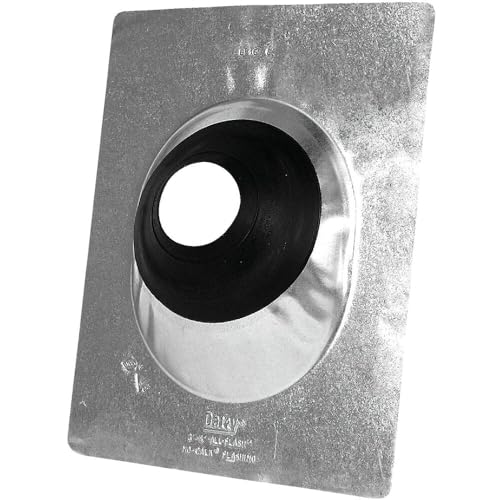
The Oatey All-Flash 11816 is a broader 3- to 4-inch option. Its listing specifically describes a self-sealing collar, a galvanized base, and a design for multiple pipe sizes. The Master Flash 14052 covers an even wider stated range, from ¼ to 5¼ inches. That broad range can help when a penetration does not match a common single-size boot, but the supplied listing does not provide the same pitch and heat details as the All-Flash model.
For large pipes on metal roofs, the Benfar #7 is listed for 6- to 11-inch outside diameters. Its flexible silicone boot is marked for cutting, and its bendable metal ring base is intended to follow metal-roof ribs. The Flashers #2 covers a smaller 1¾- to 3¼-inch outside-diameter range and uses a flexible EPDM cone with an aluminum base. Measure the outside diameter rather than relying only on nominal pipe terminology.
Consider the roof covering and pitch
Roof material affects how the base should sit and how the flashing can be secured. Several Oatey self-sealing models are specifically listed for shingled roofs. The G11910 and G11908 provide a stated pitch limit of up to 45 degrees, while the G11871 and All-Flash 11816 document ranges up to 40 degrees. These figures are useful screening information, but they do not replace the roof system’s installation instructions.
Metal roofs need a base that can accommodate panel profiles or ribs. The Flashers #2 listing says its aluminum base conforms to metal-roof profiles, while the Benfar boot describes a bendable metal base that can be molded to metal roofing rib lines. Both are more directly aligned with profiled metal panels than a rigid flat base would be.
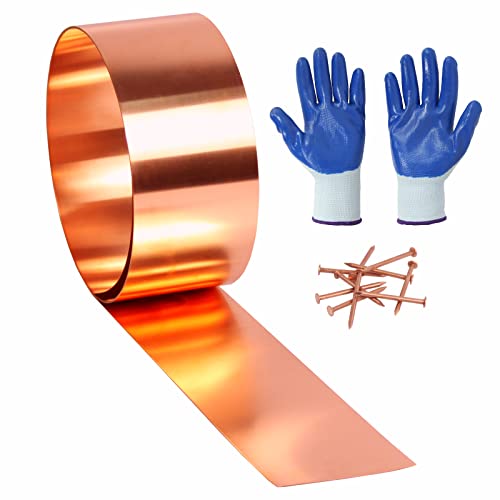
The MFM Peel & Seal roll is listed for low-slope and low-pitch roofs, including RVs and trailer homes. It is a roll material rather than a formed pipe flashing. Bostik Flashband is also a roll, described for repairing lead flashing, valley gutters, drain pipes, guttering, and other roof-related areas. These formats are better considered when the task involves seams, transitions, or repair zones instead of a single pipe penetration.
Compare collar and base materials
A self-sealing collar is only one part of the assembly. The base must also suit the roof and exposure. The Oatey G11871 uses stamped 24-gauge galvanized steel and a non-fading sealing collar. The All-Flash 11816 lists a galvanized base and a continuous heat rating of 180°F, along with Type B approval. Those details may matter around approved venting systems, but confirm the complete installation requirements before use.
The Oatey G11910 and G11908 use a sturdy rigid thermoplastic base with an elastomeric collar. The G11908 listing cautions against petroleum-based products on plastic bases or rubber collars. That warning is important when selecting compatible sealants or maintenance chemicals.
The Benfar model specifies heat-resistant silicone rubber, while Flashers #2 specifies EPDM with continuous service from -65°F to 250°F and protection against UV and ozone. The Golden Rule retrofit flashing lists temperature resistance up to 239°F and reinforcing ribs intended to stand up under snow loads. These are useful documented specifications, not guarantees of performance in every roof assembly.
Review installation requirements
No-caulk collars can simplify the collar portion of installation, but the roof-side attachment still matters. The Oatey self-sealing products are described as sliding over DWV vent pipe. The Benfar listing includes screws and describes fastening the bendable metal ring base to the roof, while also mentioning sealant during metal-roof installation. Flashers #2 provides marked cut lines and describes trimming with tin snips or scissors.
Self-adhering rolls require a different preparation process. Bostik Flashband is described as applying with hand pressure and a seam roller. MFM Peel & Seal is a self-stick roll, but its listing gives less installation detail. In either case, follow the supplied surface-preparation instructions and verify that the roof covering accepts the material.
The Golden Rule product is specifically a retrofit electrical mast flashing. That application is different from sliding a new plumbing flashing over an exposed pipe. Confirm that the retrofit design matches the existing penetration and that the electrical installation complies with applicable requirements.
Confirm exclusions and compatibility
Several products in this comparison are not intended for every roof type. The Oatey G11871, G11910, and G11908 listings say they are for shingled roofs and not for hot-mopped or built-up roofs. The Flashers #2 and Benfar products are directed toward metal roofing. Bostik and MFM are broader self-adhering materials, but their formats do not create a dedicated pipe collar.
Before ordering, verify the pipe outside diameter, roof pitch, roof covering, temperature exposure, and whether the base must follow ribs or remain flat. Also check whether the product is intended for a new installation, retrofit work, or repair. A product can have a broad size range yet still be unsuitable for the roof assembly or penetration type.
Final Recommendation
Oatey All-Flash Galvanized 3–4-Inch Flashing ranks first overall in this specification-based comparison under the published weighted criteria.
The final choice among the best self-sealing roof flashings depends on the documented features that match your intended use.
Oatey All-Flash 11816 is the highest-scoring returned product and the first overall specification-based choice. Its self-sealing collar, galvanized base, 3- to 4-inch pipe range, 0–40-degree pitch guidance, and documented Type B approval give it the most complete evidence profile for a standard larger vent installation.
Among the top self-sealing roof flashings, the Oatey G11910 is a strong fit for a 3-inch DWV pipe on a shingle roof when the 45-degree pitch guidance is useful. The G11908 is the more targeted choice for smaller 1¼- to 1½-inch pipes, while the G11871 suits users who want a galvanized base and several common pipe-size options.
For metal roofing, choose by pipe outside diameter and panel shape. The Flashers #2 is well matched to 1¾- to 3¼-inch pipes and documents EPDM temperature performance, while the Benfar #7 covers substantially larger 6- to 11-inch pipes. For retrofit electrical mast work, the Golden Rule model has the most specific application description.
Bostik Flashband and MFM Peel & Seal serve a different purpose. They are self-adhering roof-flashing materials for seams, valleys, low-slope areas, and repair work rather than preformed pipe boots. Select them only when that roll format matches the job.
Frequently Asked Questions
What should I measure before buying the best self-sealing roof flashings?
Measure the pipe’s outside diameter, not just its nominal trade size. Also note the roof pitch, roof covering, and whether the roof has ribs or profiles. The Flashers #2 and Benfar listings use outside-diameter ranges, while the Oatey listings identify specific DWV pipe sizes.
Are self-sealing roof flashings suitable for every roof type?
No. The Oatey G11871, G11910, and G11908 listings specify shingled roofs and exclude hot-mopped or built-up roofs. The Benfar and Flashers #2 products are aimed at metal roofing. Always compare the flashing’s stated application with the roof manufacturer’s requirements.
Do no-caulk collars eliminate all roof sealing work?
Not necessarily. A no-caulk or self-sealing collar addresses the collar-to-pipe interface. The base still needs correct placement and attachment. The Benfar listing, for example, describes fastening the base with screws and using sealant during metal-roof installation.
When is flashing tape better than a pipe flashing?
Flashing tape is more suitable for seams, valleys, transitions, and repair areas where a roll can conform to the surface. Bostik Flashband is listed for several roof and gutter repairs, while MFM Peel & Seal is listed for low-slope roofs and larger roll-format coverage. Neither is a substitute for a formed pipe collar when a pipe penetration is the central task.
Which of the top self-sealing roof flashings is best for a large pipe?
The Benfar #7 has the largest documented pipe range in this selection, covering 6- to 11-inch outside diameters. For a smaller metal-roof pipe, Flashers #2 covers 1¾ to 3¼ inches. Confirm the pipe measurement and panel profile before selecting either product.