Buying Guide
Choosing among the best digital pedometers starts with deciding where you want to wear the device and how much information you need. The selected products fall into two useful design groups: compact clip-on counters and standalone pedometer watches. Both can work without a phone, but they serve different routines.
Choose a clip-on counter or watch
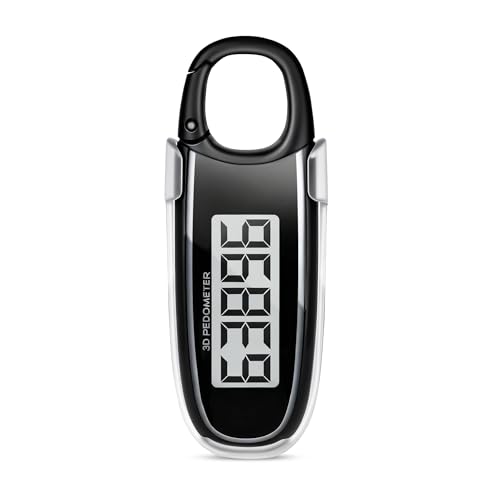
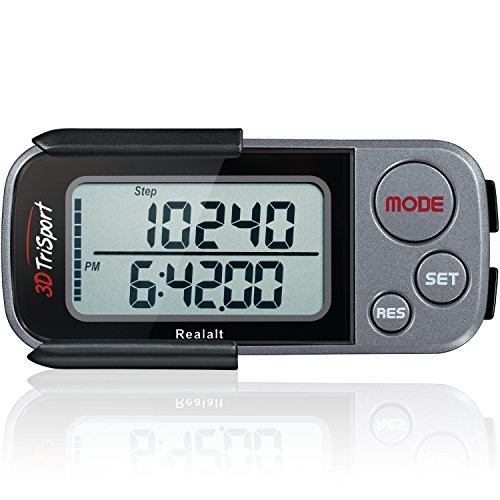
A clip-on model is generally the simpler option for walking routines. OZO Fitness, NESKLA, GOMMIN, Jaxrium, and 3DFitBud document compact counter designs with displays intended for quick step checks. They can be clipped to clothing or carried with a lanyard, and several use automatic sleep and wake behavior to reduce unnecessary battery use. This format avoids wearing anything on the wrist.
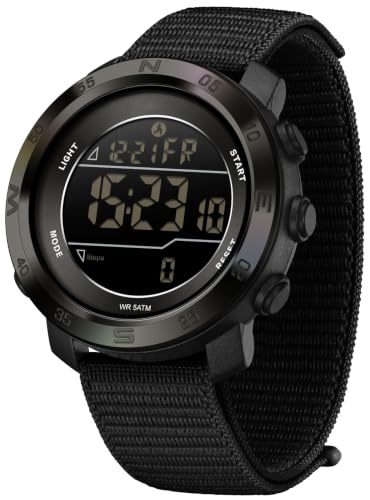
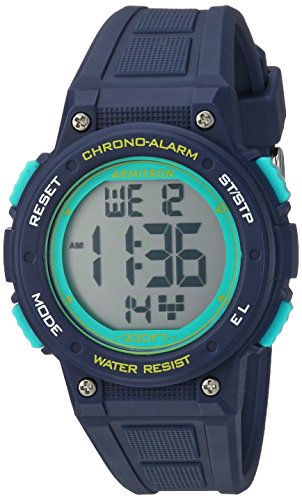
A watch is better when timekeeping and activity information should be available together. TIMEURE, both findtime models, and FANMIS add combinations of alarms, stopwatches, countdown timers, calendars, distance, or calorie estimates. The trade-off is that a watch must fit comfortably on the wrist and may have more controls to learn.
Look for the right movement sensor
The listings commonly describe 3D or tri-axis sensing. That terminology indicates a design intended to detect movement in different orientations rather than relying on one fixed direction. OZO Fitness, NESKLA, Jaxrium, and 3DFitBud document 3D or tri-axis sensors. GOMMIN and Jaxrium also describe a 10-step validation or calibration behavior that delays counting until continuous movement is detected, then adds the initial steps.
These features should not be treated as proof of a particular real-world accuracy result. The listings note that irregular movement, vehicle travel, pushing a cart, or arm movement can affect readings. For consistent placement, Jaxrium specifically recommends clipping the device at the front of the waist.
Prioritize display size and visibility
Display readability matters if you plan to check steps while walking or if small numbers are difficult to see. 3DFitBud specifies an extra-large full-screen display, while OZO Fitness and NESKLA describe large or high-contrast displays. The compact counters are appropriate when the primary goal is seeing a step total at a glance.
Watch displays vary by model. TIMEURE includes a 5-second electroluminescent backlight, and the findtime watches document LED or backlight functions. Backlight features can help in dim conditions, but the supplied evidence does not establish visibility under every lighting situation.
Compare battery types and charging
Battery convenience is one of the clearest differences between these products. OZO Fitness, NESKLA, Jaxrium, and 3DFitBud use or include CR2032 battery designs, with listed durations ranging from months to up to a year. TIMEURE also lists up to 12 months from a preinstalled CR2032 battery. These choices reduce the need to remember charging cables.
The watch models in this selection generally emphasize independent operation, but battery details vary. The findtime models state that no recharging is required, while the supplied evidence does not give a duration for every watch. When choosing, confirm whether you prefer a long-life battery or a rechargeable design and check how often the device needs attention.
Consider water-resistance wording carefully
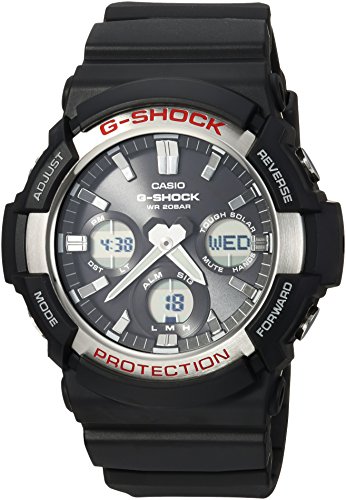
Water protection is not uniform across digital pedometers. FANMIS and the two selected findtime watches document 50M water-resistance ratings. TIMEURE specifies 30-meter water resistance. These are technical specifications, but the product descriptions still include limitations such as avoiding hot water, steam, or pressing buttons underwater.
A formal rating is different from general splash resistance. OZO Fitness describes its shell as splash-resistant, while the compact NESKLA, GOMMIN, and Jaxrium listings do not provide a water-resistance rating. If rain, hand washing, or outdoor use is central to your routine, select a model with clearly stated protection and follow the listing’s restrictions.
A steps-only product can be easier to operate. NESKLA and 3DFitBud keep the focus on counting, while GOMMIN adds walking time but remains deliberately simple. These designs suit buyers who do not want Bluetooth, apps, phone setup, or a large menu system.
Pedometer watches add more information and controls. TIMEURE includes date, weekday, alarm, stopwatch, countdown, and distance-unit choices. The findtime models add dual time, alarms, calendars, timers, and backlights, while FANMIS focuses on conventional sports-watch functions. More features can be useful, but they may also make setup less immediate.
Final recommendation
OZO Fitness Clip-on 3D Pedometer ranks first overall in this specification-based comparison under the published weighted criteria.
The OZO Fitness Clip-on 3D Pedometer is the highest-scoring specification-based choice among these best digital pedometers. Its documented sensor, large display, light body, clip and lanyard, and no-charge operation cover the core needs of straightforward walking tracking. TIMEURE is the stronger choice for a feature-rich wristwatch, while 3DFitBud is suitable for a very large display. For flexible attachment, Jaxrium stands out; for water-rated watch designs, the findtime MS1, findtime SD2213, and FANMIS provide the clearest documented options. Together, these are practical examples of the top digital pedometers for different use patterns.
Frequently Asked Questions
What should I look for in the best digital pedometers?
Start with the wearing format, display size, sensor description, and power method. A clip-on counter may be preferable for simple walking, while a watch may be better if you also want alarms, a stopwatch, distance, or calorie estimates. Check water-resistance details separately because some listings provide formal ratings and others only describe splash protection.
Do these pedometers require a phone or app?
The selected models are described as standalone products. OZO Fitness, NESKLA, Jaxrium, GOMMIN, 3DFitBud, TIMEURE, both findtime watches, and FANMIS are presented without a requirement for smartphone pairing or an app. Some also explicitly state that Bluetooth is not needed.
Are 3D sensors important in a digital pedometer?
A 3D or tri-axis sensor is intended to detect movement in multiple orientations. Several selected compact counters document this design. It can be a useful specification to compare, but the supplied evidence does not establish a universal accuracy result. The listings also warn that irregular movement, vehicle travel, or pushing a cart may influence readings.
How should I compare battery options?
Several compact models list operation for months or up to a year, while some watch models use rechargeable power and others state that recharging is not required. Check the individual listing for its stated battery method and duration, then choose between replaceable-battery convenience and USB charging.
Are water-resistant pedometer watches suitable for swimming?
Do not assume that every water-resistant model is suitable for swimming. The selected listings provide different ratings and restrictions. FANMIS and the findtime watches state 50M resistance, while TIMEURE states 30-meter resistance, but the descriptions still warn about conditions such as hot water, steam, or button use underwater. Follow the specific product instructions before exposing any watch to water.