Buying Guide
When narrowing down the best extra fine calligraphy pens, the spec sheet tells you more than marketing copy ever will. Nib width, ink chemistry, and tip geometry all shape how a pen behaves on paper, and these are exactly the factors that separate a true extra fine calligraphy tool from a generic fine marker. The picks above already factor those details in, and the sections below walk through the criteria in the order most letterers actually evaluate them.
How to Read Nib Width and Geometry
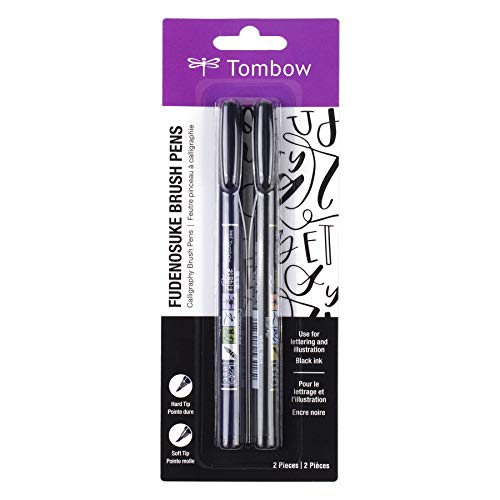
Nib width is the single most important spec for extra fine calligraphy pens. Numbers between 0.5 mm and 1.3 mm deliver the sharpest hairlines, while 2 mm to 2.5 mm tips sit at the fine end of the calligraphy spectrum. Geometry matters too: a chisel nib produces clean angled downstrokes, while a round felt or brush tip supports pressure-based variation. The Speedball Elegant Writer Extra Fine Calligraphy Marker lists a 1.3 mm chisel nib, the Faber-Castell PITT Calligraphy Pen uses a 2 mm chisel nib, and the Kuretake Bimoji Felt Tip Brush Pen documents a superfine pressure-sensitive point, so each addresses a slightly different style of detail work.
Ink chemistry decides how lines age and whether they survive water exposure. Pigment-based formulas, like those in the Tombow Fudenosuke Brush Pen 2-Pack and Brusarth Calligraphy Pens 10-Size Hand Lettering Set, are documented as waterproof and fade-proof. Dye-based inks, like the Kuretake ZIG Calligraphy Marker Pens 12-Color Set, are blendable with water for gradients but may be less archival. India ink in the Faber-Castell PITT Calligraphy Pen adds documented smudge-proof and acid-free properties for formal lettering.
Stroke Range and Hand Lettering Versatility
A pen’s stroke range comes from how its nib responds to pressure and angle. Brush-style nibs in the Tombow Fudenosuke Brush Pen 2-Pack and Brusarth Calligraphy Pens 10-Size Hand Lettering Set can move between extra fine hairlines and broader downstrokes within a single stroke. Dual-tip markers like the Kuretake ZIG Calligraphy Marker Pens 12-Color Set combine 2 mm and 3.5 mm square tips in one body, giving you two line widths without changing pens.
Surface Compatibility
Most calligraphy pens target paper, but a few handle rougher or non-paper surfaces. The edding 1255 Calligraphy Pen 3-Pack is documented for paper, wood, terracotta, and canvas, with a quick-drying water-based ink that is waterproof once dry.
Build Quality and Ergonomics
Pen dimensions and weight affect long lettering sessions. The Speedball Elegant Writer markers list a 7.5-inch body length and low weight, while the Kuretake Bimoji Felt Tip Brush Pen has a notably compact form factor for detail work. The edding 1255 Calligraphy Pen 3-Pack documents a longer body designed for a comfortable grip during extended hand lettering practice.
Set Completeness and Workflow Support
Sets expand the creative range without forcing separate purchases. The Speedball Elegant Writer 6-Marker Calligraphy Set ships six colors, the Kuretake ZIG Calligraphy Marker Pens 12-Color Set ships 12 dual-tip pens, and the Brusarth Calligraphy Pens 10-Size Hand Lettering Set bundles multiple tip sizes in one pack. Single-pen formats, like the Speedball Elegant Writer Extra Fine Calligraphy Marker, work well as a focused first purchase.
Final recommendation
Tombow Fudenosuke Brush Pen 2-Pack ranks first overall in this specification-based comparison under the published weighted criteria.
For a dedicated extra fine calligraphy tool with a documented 1.3 mm chisel nib and improved ink flow, the Speedball Elegant Writer Extra Fine Calligraphy Marker stands out as the first overall specification-based choice among the best extra fine calligraphy pens. If you want color and versatility in one box, the Speedball Elegant Writer 6-Marker Calligraphy Set and Kuretake ZIG Calligraphy Marker Pens 12-Color Set cover the top extra fine calligraphy pens range for mixed projects, while the Brusarth Calligraphy Pens 10-Size Hand Lettering Set pairs extra fine and brush tips for full hand lettering sessions.
Frequently Asked Questions
Most extra fine calligraphy pens cluster between 0.5 mm and 1.3 mm for the narrowest dedicated tips, with 2 mm considered the boundary of the fine range. The Speedball Elegant Writer Extra Fine Calligraphy Marker at 1.3 mm and the Kuretake Bimoji Felt Tip Brush Pen with its superfine point are examples from the narrow end of the best extra fine calligraphy pens shortlist.
Are pigment or dye inks better for journaling?
Pigment inks, like those in the Tombow Fudenosuke Brush Pen 2-Pack and Brusarth Calligraphy Pens 10-Size Hand Lettering Set, are documented as waterproof and fade-proof, which suits journaling. Dye inks, like those in the Kuretake ZIG Calligraphy Marker Pens 12-Color Set, blend more easily but may be less archival over time.
A few picks extend beyond paper. The edding 1255 Calligraphy Pen 3-Pack documents use on paper, wood, terracotta, and canvas, with a quick-drying water-based ink that is waterproof once dry, which suits mixed-media projects.
Do dual-tip pens replace a set of separate nib sizes?
Dual-tip calligraphy pens, like the Kuretake ZIG Calligraphy Marker Pens 12-Color Set, give you two documented widths in one body. They cover many common lettering tasks, though dedicated extra fine nibs such as the Speedball Elegant Writer Extra Fine Calligraphy Marker still deliver the narrowest hairlines.
What is the difference between a chisel nib and a brush nib?
A chisel nib, like the 1.3 mm nib on the Speedball Elegant Writer Extra Fine Calligraphy Marker or the 2 mm nib on the Faber-Castell PITT Calligraphy Pen, produces clean angled downstrokes with consistent width. A brush nib, like those in the Tombow Fudenosuke Brush Pen 2-Pack, responds to pressure to vary stroke width within a single line, which is useful for expressive lettering.