Buying Guide
A thoughtful gerbil habitat decor selection balances safety, behavior, and visual style. The pieces in this guide to the best gerbil small animal habitat decor span hideouts, platforms, bridges, ladders, and ceramic dens, each selected for how well they suit gerbil size and instincts. As you compare options, focus on materials, entry sizes, enrichment features, and how each piece fits into your existing cage layout.
Match the Material to Gerbil Habits
Gerbils chew, dig, and climb, so the surface they touch every day should be safe and durable. Solid wood that is sanded smooth, ceramic that resists gnawing, and natural grapevine that supports healthy tooth wear are all common choices. Avoid pieces with rough splinters, exposed wires, or chemical smells, and prefer units that are explicitly labeled for small pets like gerbils, hamsters, and mice. A good benchmark is that the listing should mention the intended species and the type of wood or material used, so you can confirm it is not too soft or treated.
For chewing-heavy pets, a natural grapevine branch or a solid wood hideout with smooth edges tends to be a good fit. Ceramic options are useful as a cooler resting spot and add a heavier anchor that resists tipping during active digging. Either way, the materials should be listed as pet-safe, untreated, and burr-free where possible.
Right-Size the Entry and the Footprint
Gerbils are mid-sized small pets, so entry openings around 2.1 to 2.4 inches tend to work well for younger and adult gerbils. Very small entrances may squeeze out larger gerbils, while very wide openings can reduce the sense of security a hideout provides. The footprint of the piece also matters, especially in tanks or cages where floor space is shared with bedding and a running area.
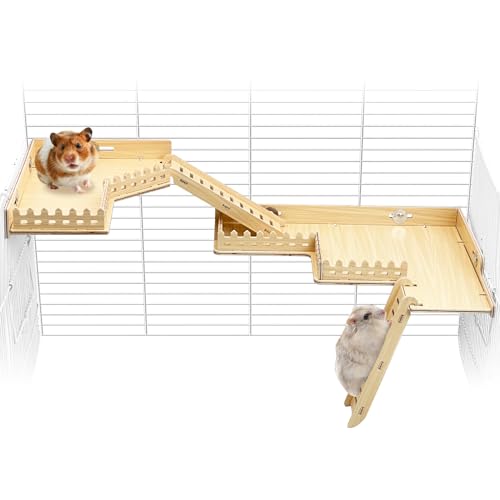
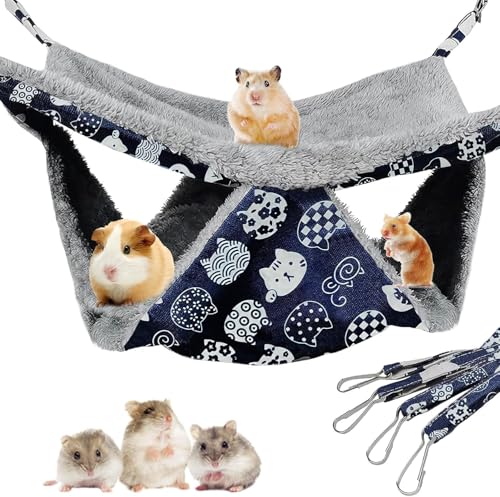
Compact ceramic hideouts work well in dens with shallow bedding, while multi-piece wooden platforms and bridges benefit from taller cages with vertical room. A two-tier hanging platform, for example, redefines the upper space of a wire cage and leaves the floor free for digging. Always measure your cage interior and compare it to the listed dimensions before choosing a piece.
Look for Built-In Enrichment
Beyond looks, the best gerbil small animal habitat decor should encourage natural behaviors. Climbing ladders, fences, and roof ramps build strength and balance, while chambers and tunnels support burrowing and food storage. Bridges that bend into different shapes double as ramps, dividers, and hiding spots, which keeps a small habitat feeling dynamic.
Some pieces combine multiple enrichment features in one, such as a wooden hideout with a climbable roof or a set of platforms linked by a ladder. These integrated designs may suit owners who want fewer individual items but a richer overall layout. A single decorative hideout, on the other hand, is best when you already have other enrichment in the cage.
Consider Build Quality and Assembly
Handmade wooden pieces often use nail-free or glue-free assembly, which is safer for chewing pets and usually easier to disassemble for cleaning. Bottomless designs and removable platforms also help with quick bedding changes, which is important for gerbil habitats that accumulate waste quickly. Ceramic hideouts are typically one solid piece, which simplifies setup but requires more careful handling during cleaning.
Review the listed assembly method and read whether installation tools or instructions are included. A simple slot-and-panel system is usually easier for first-time owners than a multi-step build with small screws. If you have a wire cage, confirm that hanging platforms or wall-mounted accessories are explicitly compatible with wire bars before purchasing.
Match the Style to Your Cage Theme
Habitat decor is also about the look of the cage. Natural wood tones blend easily with bedding and plants, ceramic pieces add clean geometric shapes, and themed designs like honey jars, sea shells, or mushrooms add a focal point. If you prefer a calm, woodland look, wood-heavy selections like the birch chamber-maze hideout or wooden climbing bridge tend to fit well. For a brighter, more playful look, ceramic mushroom or lemon shapes can serve as a centerpiece.
The right balance is usually one or two statement pieces, such as a decorative ceramic hideout, paired with several functional wood pieces for climbing and chewing. This keeps the cage visually interesting without crowding the running area.
Final Recommendation
Niteangel Birch Chamber-Maze Hamster Hideout ranks first overall in this specification-based comparison under the published weighted criteria.
After weighing materials, sizing, enrichment, and build quality, the Fhiny 2-Tier Hanging Gerbil Climbing Platform with Ladder & Fence stands out as the top gerbil small animal habitat decor choice for a multi-level, space-saving layout. It combines a climbing platform, ladder, and safety fence in a single hanging unit, which is well documented for gerbils and similar small pets. Pair it with a wooden hideout for resting and a ceramic hideout for temperature control, and your gerbil habitat decor will cover both function and visual appeal. For a more decor-focused setup, the WishLotus Sea Shell Ceramic Hideout or the MinrzPet Lemon-Shaped Ceramic Hamster Hideout can serve as the bright centerpiece, while the Niteangel Medium Wooden Climbing Ladder Suspension Bridge and PINVNBY Natural Grapevine Hamster Climbing Branches add the climbing and chewing layers that make the best gerbil small animal habitat decor feel complete.
Frequently Asked Questions
What is the best gerbil small animal habitat decor for a small tank?
For compact tanks, focus on compact hideouts, short bridges, and chewable branches rather than large platforms. A ceramic hideout such as the Zhilishu Honey-Shaped Ceramic Gerbil Hideout or a small wooden house like the Niteangel Birch Chamber-Maze Hamster Hideout pairs well with a short wooden bridge or grapevine branch without crowding the floor.
How do I choose decor that is safe for gerbils to chew?
Pick items that are explicitly labeled as pet-safe, untreated, and made for small pets like gerbils, hamsters, and mice. Solid wood that has been sanded smooth, natural grapevine, and glazed ceramic are all common safe choices. Avoid painted or chemically treated wood, which may be toxic if chewed.
Do gerbils need climbing decor if they burrow a lot?
Gerbils naturally burrow and climb, so a mix of both types of enrichment tends to work best. A platform or bridge for climbing, combined with hideouts and tunnels for burrowing, gives them more variety. Pieces like the Fhiny 2-Tier Hanging Gerbil Climbing Platform or the Niteangel Medium Wooden Climbing Ladder Suspension Bridge add climbing opportunities without taking over the burrowing space.
Should I pick wood or ceramic hideouts for gerbils?
Wood provides a chewable, natural surface that supports tooth wear, while ceramic offers a cool, heavy resting spot that resists tipping. Many owners combine one wooden hideout for chewing and one ceramic hideout for temperature control. Both materials are documented as suitable for gerbils in the listings above.
How often should gerbil habitat decor be cleaned?
Wooden pieces benefit from a quick wipe-down during routine bedding changes, while ceramic hideouts can be rinsed with water or wiped clean more often because they do not absorb moisture. Bottomless hideouts and removable platforms make cleaning easier, so look for those features when comparing the best gerbil small animal habitat decor for your setup.