Buying Guide
Choosing among the best gluten-free cinnamon supplements starts with confirming that the product is actually a cinnamon supplement and that the gluten-free claim appears in the listing or label information. The selected products cover several formats and formulation styles, so the most useful comparison points are cinnamon identity, ingredient clarity, serving information, and quality documentation.
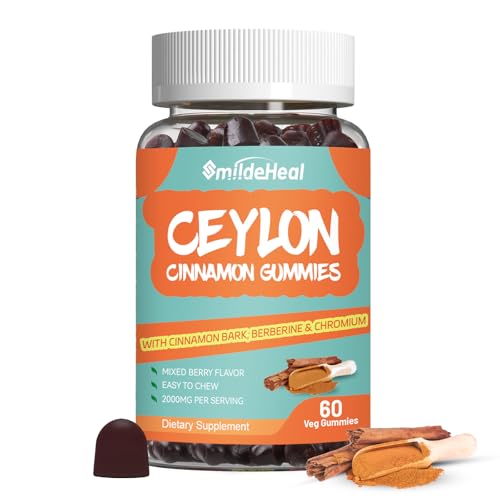
Ceylon cinnamon is identified in the listings as Cinnamomum verum or Cinnamomum zeylanicum and is commonly presented as true cinnamon. Micro Ingredients, NutriFlair, Nutricost, PRESERVE, YATIME, SmildeHeal, Horbäach, and Herbtonics all document Ceylon cinnamon. The products differ in how much detail they provide about sourcing and extraction. PRESERVE specifies Sri Lankan origin, while NutriFlair identifies 100% Ceylon cinnamon and provides additional coumarin-testing information.
Himalaya takes a different approach by listing a blend of 1,000mg cassia cinnamon and 100mg Ceylon cinnamon. Doctor’s Best uses Cinnamomum burmannii bark in its CinSulin extract. These are legitimate cinnamon formats, but they are not interchangeable with Ceylon-only capsules. If the cinnamon species matters to your selection, read the botanical name and ingredient breakdown rather than relying only on the word cinnamon in the product title.
Check the gluten-free evidence
The selected best gluten-free cinnamon supplements explicitly describe themselves as gluten free in the supplied listing data. Several also identify other exclusions, including soy, dairy, wheat, artificial colors, preservatives, or non-GMO ingredients. That additional information can help people comparing dietary restrictions, but it does not replace checking the current package label for manufacturing and cross-contact details.
NutriFlair, Nutricost, Micro Ingredients, and Doctor’s Best provide especially clear dietary statements. PRESERVE describes its capsules as free from binders and artificial ingredients, while SmildeHeal lists a vegan gummy formula without wheat, soy, eggs, artificial colors, flavors, or preservatives. Horbäach and Herbtonics also provide useful free-from or purity language. These statements describe the supplied product information; they should not be treated as a medical or dietary guarantee for every individual.
Compare capsules, softgels, tablets, and gummies
Capsules are the most common format in this group. NutriFlair, Nutricost, PRESERVE, Doctor’s Best, Horbäach, and Herbtonics use capsule formats, but their serving information varies. Softgels from Micro Ingredients and YATIME are designed as an alternative capsule format, with MCT oil included in Micro Ingredients and YATIME emphasizing easy swallowing. Tablets are used by Himalaya, while SmildeHeal provides gummies.
Format affects how closely the product fits your routine. Gummies may be preferable if swallowing capsules is inconvenient, but SmildeHeal includes several additional ingredients rather than cinnamon alone. Softgels may appeal to shoppers who specifically want an oil-based formula, while a capsule or tablet may be more suitable for someone seeking a simpler solid supplement. The evidence supports these format distinctions, but it does not establish that one form absorbs better for every person.
Read the amount and serving details together
A large bottle count does not tell you the amount delivered per serving. Nutricost states 1,200mg per serving and 75 servings in 150 capsules. Doctor’s Best states 500mg per serving and suggests two capsules daily with food. NutriFlair lists 1,200mg in its product title, while PRESERVE lists 2,000mg and describes a 60-count, two-month format. Herbtonics states 1,500mg per capsule, and SmildeHeal states 2,000mg per serving with two gummies per day.
Other listings are less complete. Micro Ingredients, YATIME, and Horbäach provide count and format information but do not state a numeric cinnamon amount in the supplied evidence. When the amount or serving size is missing, use the package directions rather than inferring a dose from the count, the words extra strength, or the word potent.
Look for quality and sourcing details
Quality documentation is a useful differentiator in this category. NutriFlair documents USDA organic certification, third-party testing, and a GMP facility. Nutricost lists an NSF-certified, GMP-compliant, FDA-registered facility and third-party testing. PRESERVE identifies GMP, ISO22000, and HACCP standards. Herbtonics describes cGMP manufacturing and third-party batch testing, while Micro Ingredients lists cGMP manufacturing and third-party laboratory testing.
These statements are specifications, not independent verification by this guide. Still, they help separate listings that provide concrete manufacturing or testing information from those that only use broad quality language. Botanical identity, country of origin, certifications, and a stated serving amount are the most useful details to compare side by side.
Consider whether added ingredients fit your needs
Some selected products are intentionally more than cinnamon. Doctor’s Best uses a named extract, and SmildeHeal combines cinnamon with chromium, sodium, and berberine. Himalaya combines cassia and Ceylon cinnamon. By contrast, PRESERVE presents a pure Ceylon formula, while NutriFlair and Nutricost focus on Ceylon cinnamon without a long list of added botanicals in the supplied evidence.
A shorter ingredient list can make label comparison easier, while a multi-ingredient formula may appeal to shoppers who want several named components in one product. Do not assume that more ingredients mean a better match. Review the complete Supplement Facts panel, especially if you already use products containing chromium, berberine, turmeric, or other overlapping ingredients.
Final Recommendation
NutriFlair Organic Ceylon Cinnamon 1200mg ranks first overall in this specification-based comparison under the published weighted criteria.
NutriFlair Organic Ceylon Cinnamon 1200mg is the highest-scoring returned product and the first overall specification-based choice. It combines USDA organic certification, a clearly identified Ceylon ingredient, gluten-free labeling, third-party testing, verified low coumarin levels, and a straightforward capsule format. The best gluten-free cinnamon supplements are not identical, however, and the right alternative depends on what the label needs to provide.
Choose Doctor’s Best if a named 10:1 extract and a stated 500mg serving are more important than Ceylon cinnamon. Micro Ingredients and YATIME are useful softgel choices, with Micro Ingredients adding MCT oil and YATIME offering 300 softgels. Nutricost provides clear 1,200mg serving information in a vegetarian capsule. PRESERVE stands out for Sri Lankan origin and a pure vegan capsule format.
For a chewable option, SmildeHeal documents 2,000mg per serving and a vegan gummy format, although it also includes chromium, sodium, and berberine. Himalaya is the clearest mixed cassia-and-Ceylon option. Horbäach offers a 250-count bottle with broad free-from labeling, and Herbtonics supplies a 1,500mg Ceylon capsule with batch-testing information. These top gluten-free cinnamon supplements should still be compared against the current package label before use.
Frequently Asked Questions
What should I verify before choosing the best gluten-free cinnamon supplements?
Confirm the product’s gluten-free statement, cinnamon species, amount per serving, serving directions, capsule or gummy format, and any added ingredients. Also check the current package for allergen and manufacturing information because listing details can change.
Are all the selected products made with Ceylon cinnamon?
No. Most selected products identify Ceylon cinnamon, but Doctor’s Best lists Cinnamomum burmannii bark extract, and Himalaya lists 1,000mg cassia cinnamon plus 100mg Ceylon cinnamon. The species and blend should be checked if that distinction matters to you.
Which selected product uses gummies instead of capsules or tablets?
SmildeHeal Ceylon Cinnamon Gummies uses a vegan gummy format and lists 2,000mg of Ceylon cinnamon per serving. It also includes chromium, sodium, and berberine, so it is not a single-ingredient cinnamon product.
No. Nutricost, Doctor’s Best, SmildeHeal, PRESERVE, and Herbtonics provide useful numeric or serving details in the supplied evidence. Micro Ingredients, YATIME, and Horbäach provide count and format information but do not state a numeric cinnamon amount per serving in the supplied listing data.
Can cinnamon supplements replace professional medical advice?
No. The supplied product listings describe wellness positioning and label information, not individualized medical guidance. Ask a qualified healthcare professional about supplement use, especially when managing a health condition or combining products with overlapping ingredients.