Buying Guide
Finding the best gluten free soy sauce is less about brand loyalty and more about understanding how each bottle is made, certified, and packaged. Tamari styles use 100% soy with no wheat, while traditionally brewed gluten free soy sauce options often blend soy with other grains that are processed to remove gluten. Both can deliver rich umami, but the path to that flavor differs.
Brewing Method & Style
The brewing method shapes both flavor depth and authenticity. Traditionally brewed options like Kikkoman Tamari Gluten Free Soy Sauce, 0.5 Gallon rely on natural fermentation of soybeans and salt, often in the USA, to develop layered umami. Tamari styles such as San-J Gluten Free Tamari Soy Sauce, 64 oz and San-J Organic Gluten Free Tamari, 50% Less Sodium, 10 oz use 100% soy for a rounder, slightly bolder taste. If you want an artisanal, heritage-driven pour, Yamasa Organic Tamari Gluten-Free Soy Sauce, 5 oz brings four centuries of Japanese shoyu tradition to a small bottle.
Gluten-Free Certification & Ingredient Integrity
Gluten free credibility matters most for shoppers with celiac disease or strong sensitivities. San-J’s tamari line carries certification from the Gluten-Free Certification Organization across multiple SKUs, including the 64 oz jug and the organic 50% less sodium bottle. Kikkoman’s gluten free tamari offerings highlight non-GMO soybeans and no artificial colors, flavors, or preservatives. Always check for explicit gluten-free labeling and ingredient lists that avoid wheat-based fermentation where possible.
Umami & Flavor Profile
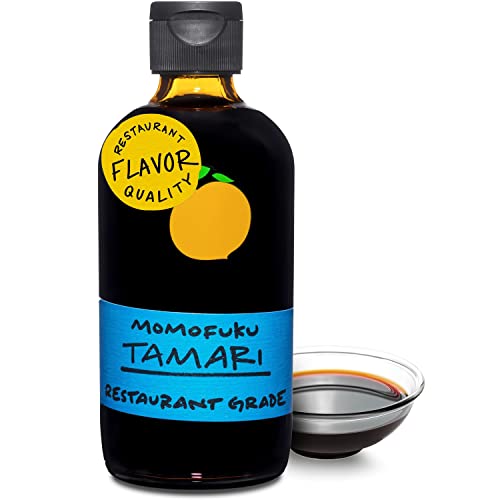
If you want maximum savoriness, look at the umami and flavor complexity each bottle is designed to deliver. San-J’s 64 oz jug is described as having a richer, bolder, more complex taste than typical soy sauce, while Kikkoman Tamari Gluten Free Soy Sauce, 0.5 Gallon is positioned as a milder, more aromatic option. Momofuku Tamari by David Chang, 8 oz adds kombu during production, which can deepen umami for sushi, sashimi, and braised meats.
Container size changes how a bottle fits into your routine. Bulk formats like Lee Kum Kee Gluten Free Soy Sauce, 64 oz, San-J Gluten Free Tamari Soy Sauce, 64 oz, and Kikkoman Tamari Gluten Free Soy Sauce, 0.5 Gallon suit frequent cooks, restaurants, and family kitchens. Standard 10 oz bottles such as Kikkoman Soy Sauce Gluten Free, 10 oz and Kikkoman Sauce Tamari Gluten Free, 10 oz are easy to store and replace. Smaller artisanal bottles like Yamasa’s 5 oz and Momofuku’s 8 oz work well for tasting new styles without committing to a large jug.
Sodium & Dietary Flexibility
Sodium levels vary widely even within gluten free soy sauce lines. San-J Tamari Soy Sauce, 28% Less Sodium, 64 oz and San-J Organic Gluten Free Tamari, 50% Less Sodium, 10 oz target shoppers reducing salt intake while keeping a 100% soy tamari base. Standard-sodium bottles still work for most recipes, but reduced-sodium SKUs are useful for dressings, soups, and lighter sauces.
Ingredient Quality & Sourcing
Look closely at how each brand sources its ingredients. Kikkoman’s gluten free tamari uses North American-grown soybeans and salt, with no preservatives or high fructose corn syrup. San-J’s tamari is brewed with water, soybeans, salt, and a little alcohol to preserve freshness, free from artificial preservatives, flavors, or colors.
Final Recommendation
San-J Tamari Soy Sauce, 28% Less Sodium, 64 oz ranks first overall in this specification-based comparison under the published weighted criteria.
The final choice among the best gluten free soy sauce depends on the documented features that match your intended use.
Lee Kum Kee Gluten Free Soy Sauce, 64 oz is the first overall specification-based choice, combining a brewed, non-GMO whole soybean recipe with a 64.25 fl oz format that works for both home and professional kitchens. For shoppers who want top gluten free soy sauce options with stronger certification, San-J Gluten Free Tamari Soy Sauce, 64 oz stands out with GFCO certification, a 100% soy recipe, and a family-size jug. If you prefer a clean-label Kikkoman tamari, Kikkoman Tamari Gluten Free Soy Sauce, 0.5 Gallon delivers traditional brewing with no preservatives or HFCS, while San-J Organic Gluten Free Tamari, 50% Less Sodium, 10 oz is the top gluten free soy sauce pick for organic, low-sodium cooking.
Frequently Asked Questions
What is the best gluten free soy sauce for everyday cooking?
For everyday use, Kikkoman Soy Sauce Gluten Free, 10 oz and San-J Gluten Free Tamari Soy Sauce, 64 oz are both strong fits, depending on whether you prefer a smaller bottle or a family-size jug.
Is tamari the same as gluten free soy sauce?
Tamari is a Japanese style of soy sauce often made with 100% soy and no wheat, which makes many tamari products naturally gluten free. Always confirm gluten-free certification on the label, as seen on San-J Gluten Free Tamari Soy Sauce, 64 oz.
Which gluten free soy sauce has the least sodium?
Within this comparison, San-J Organic Gluten Free Tamari, 50% Less Sodium, 10 oz offers the largest sodium reduction at 50% less than standard tamari, while San-J Tamari Soy Sauce, 28% Less Sodium, 64 oz provides a bulk-format, lower-sodium alternative.
Are there organic gluten free soy sauce options?
Yes. Yamasa Organic Tamari Gluten-Free Soy Sauce, 5 oz, San-J Organic Gluten Free Tamari, 50% Less Sodium, 10 oz, and Momofuku Tamari by David Chang, 8 oz all feature organic ingredients alongside their gluten free credentials.
What size gluten free soy sauce is best for small kitchens?
Small kitchens typically do well with 5 to 10 oz bottles such as Yamasa Organic Tamari Gluten-Free Soy Sauce, 5 oz, Momofuku Tamari by David Chang, 8 oz, or Kikkoman Sauce Tamari Gluten Free, 10 oz, which fit easily into a refrigerator door.