Buying Guide
Choosing among the best hanging poster frames starts with the artwork’s actual width and the kind of display you want. The selected products divide into two broad designs: conventional frames with a clear front and magnetic hangers that clamp the poster at the top and bottom. A covered frame generally offers more surface protection, while a magnetic hanger usually makes artwork changes simpler and keeps the presentation visually light.
Match the frame to poster dimensions
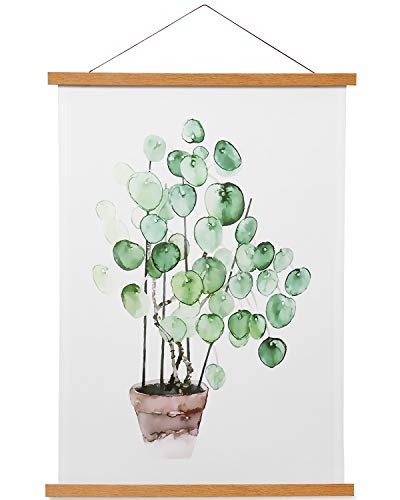
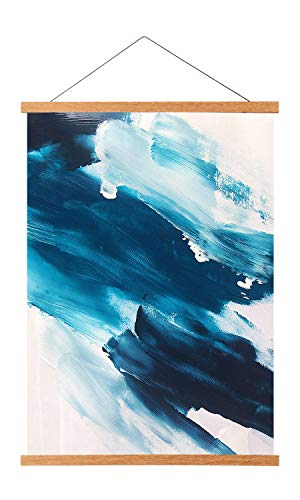
Measure the poster itself rather than relying only on a nominal label. Magnetic products are commonly organized by rail width. For example, the FALAMON and HONKKI models are designed around 12-inch-wide artwork, while the Radezon is a 16-inch option and the Artmag is built for 20-inch-wide pieces. The Benjia four-pack targets 11-inch-wide work, and the WITCOLOR model is intended for artwork under 9 inches wide.
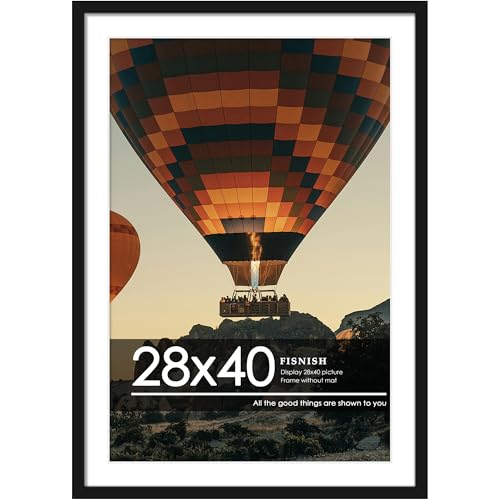
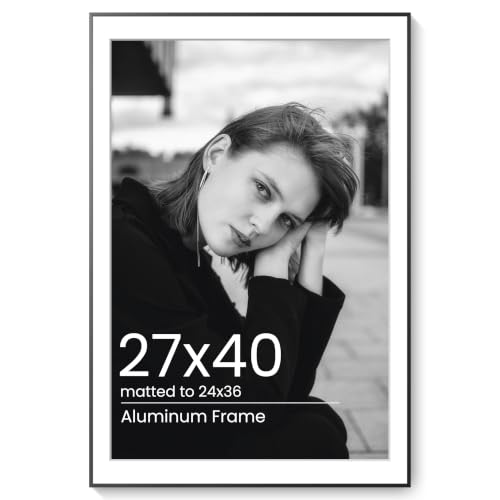
Traditional frames use a defined insert size. The MCS Trendsetter holds a 24x36 poster, Americanflat is specified for 18x24, and upsimples is made for 11x17 inserts. The A.P.J. frame is a B3 model, with an interior size of approximately 364 x 515 mm. That metric format makes it especially important to compare the measured print with the listed interior dimensions before ordering.
A magnetic hanger can accommodate different lengths when the width is suitable, but that does not mean every poster will fit perfectly. A very short print, a print with unusual margins, or a heavy board may require a different solution. The listings repeatedly caution that thick posters, cardboard, mat boards, or thick canvas can affect magnetic clamping.
Decide whether you need a protective front
The biggest design distinction is whether the poster sits behind a transparent cover. The MCS frame uses a clear styrene front, the Americanflat frame uses polished plexiglass, the upsimples frames include a protective cover, and the A.P.J. model specifies a transparent PET sheet. These products are the more suitable choices when you want the artwork physically covered in the frame.
Magnetic hangers leave most of the poster exposed. That open format can look less bulky and avoids the visual border of a deep conventional frame, but the supplied evidence does not describe a front sheet on the magnetic selections. If the poster will be placed where dust, handling, or incidental contact is a concern, a covered frame is the more evidence-supported direction.
A clear sheet can also add a little visual structure to a large display. The MCS model is particularly suited to a standard 24x36 poster because its front, backing, and back-loading construction are all documented. For a smaller display, Americanflat combines a covered front with slim black molding. The upsimples three-pack adds the same basic protective concept across multiple 11x17 pieces.
Consider how often you will change artwork
Magnetic rails are especially practical for rotating posters. The FALAMON, Radezon, HONKKI, Artmag, Benjia, and WITCOLOR listings all describe clamping or replacing artwork without the need for a conventional frame assembly. Their top-and-bottom bar approach can work well for collections that change seasonally or for children’s artwork that is regularly refreshed.
Conventional frames are not necessarily difficult to update, but they use a different process. The MCS Trendsetter is back-loading, and the upsimples frame uses sliding strips, both of which are described as accessible installation designs. The choice depends on whether you prefer a covered frame that opens from the back or a rail that lets you release the poster edges directly.
Check the material warning before choosing a magnetic system. A thick poster, canvas, tapestry, fabric, or rigid board may not clamp as intended. The FALAMON listing specifically excludes thick cardboard and mat boards, while several other magnetic products caution about thick posters or canvas. These warnings are design limitations, not indications that the products are unsuitable for ordinary paper posters.
Compare hanging methods and orientation
Conventional frames can be useful when you want a defined orientation choice. MCS documents attached hangers for vertical or horizontal display, and Americanflat also specifies hardware for both placements. The upsimples frames likewise include rear hangers for vertical or horizontal mounting. This flexibility matters when the same frame may later hold artwork with a different orientation.
Magnetic hangers generally use a strap or concealed rope. The rail width determines the visual span, and the poster length determines how much of the wall the artwork occupies.
Before installation, consider the wall location and the poster’s proportions. A wide Artmag rail can suit a broad print, while a 9-inch WITCOLOR or 11-inch Benjia rail is more appropriate for narrower work. The supplied listings do not provide universal wall-weight or hardware instructions, so mounting decisions should follow the included product directions and the wall surface.
Look at materials and pack size
Wooden magnetic hangers create a warmer presentation than the black plastic or PVC conventional frames. FALAMON and HONKKI specify teak, WITCOLOR specifies natural teak, Radezon describes wooden bars, and Benjia identifies a light-wood finish. These details can help coordinate the frame with the artwork, but they do not establish a tested durability ranking.
Pack size is most useful when you have several posters to display. Benjia supplies four hangers, upsimples supplies three frames, and the selected products otherwise focus on single systems or individual frame units.
Final Recommendation
MCS Trendsetter 24x36 Poster Frame ranks first overall in this specification-based comparison under the published weighted criteria.
The final choice among the best hanging poster frames depends on the documented features that match your intended use.
MCS Trendsetter 24x36 Poster Frame is the highest-scoring returned product and the first overall specification-based choice. It combines a clear styrene front, back-loading construction, a defined large-format fit, and vertical or horizontal hanging. For shoppers comparing the top hanging poster frames, it is the clearest choice when covered protection is more important than a frame-free look.
Choose Americanflat for a slimmer 18x24 covered display, or upsimples when three matching 11x17 frames are more useful than one large unit. Radezon is the most specification-aligned selected magnetic option for 16-inch-wide artwork, while Artmag is the better fit for a 20-inch-wide poster. FALAMON and HONKKI both suit 12-inch formats, with teak construction and quick replacement documented in their listings.
For narrow work, WITCOLOR’s 9-inch format is more targeted than a standard frame. Benjia’s four-pack is useful for repeated 11-inch displays. The A.P.J. aluminum frame fills a different need: a B3-size poster with a transparent PET sheet. None of these picks should be treated as hands-on performance results; they are ranked from the supplied specifications and listing features.
Quick selection checklist
- Measure the poster width, height, and thickness.
- Choose a clear-front frame if surface coverage is important.
- Choose magnetic rails if frequent artwork changes are a priority.
- Confirm whether the listed size is an insert size, metric size, or rail width.
- Check whether the package includes the required bars, strap, cover, or hanging hardware.
- Follow the product’s mounting instructions for the intended wall surface.
Frequently Asked Questions
Are magnetic hangers among the best hanging poster frames for thick artwork?
They may not be. FALAMON specifically excludes thick cardboard, mat boards, and overly thick fabrics, while several selected magnetic models caution that thick posters or canvas can affect the magnets. Measure the material and follow the listing’s limitations before choosing a magnetic design.
Do these poster frames protect the artwork from dust?
Only the selected conventional frames document a transparent front or cover. MCS specifies clear styrene, Americanflat specifies polished plexiglass, upsimples describes a protective cover, and A.P.J. lists a transparent PET sheet. The magnetic hangers are open designs in the supplied evidence and do not specify a full front cover.
Can a poster frame hang vertically or horizontally?
Some can. MCS documents attached hangers for vertical or horizontal placement, Americanflat lists hardware for both orientations, and upsimples also describes both options. Magnetic systems are generally organized around a top rail and hanging strap, so review the supplied hanging arrangement and the poster’s proportions before installation.
What is the difference between a 12-inch magnetic hanger and a 12x16 frame?
A 12-inch magnetic hanger usually refers to the rail width and can support several poster lengths, such as 12x16, 12x18, or 12x24. A 12x16 conventional frame refers to the intended insert dimensions. The frame type and the artwork thickness still need to be checked against the listing.
Are these products supplied with posters?
No selected listing states that a poster is included.