Buying Guide
The best hot pads & trivets are not all built for the same kitchen task. Silicone mats emphasize washable, flexible protection; cotton rope designs add absorbency and table texture; cork and bamboo offer natural materials and more decorative presentation. The right choice depends on the cookware you place on the mat, the amount of surface area you need, and how you prefer to clean and store it.
Start with the material
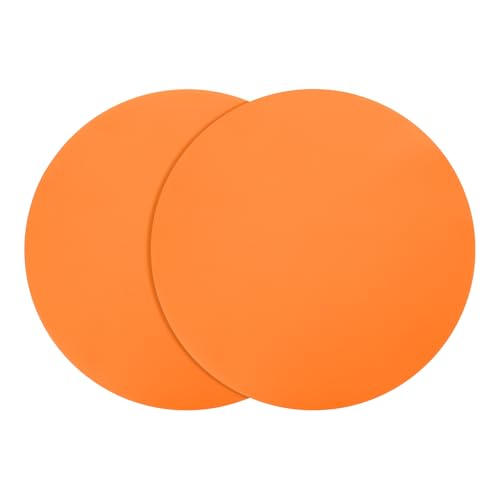
Silicone is the most maintenance-oriented material represented here. ME.FAN, SMARTAKE, QPIX DIGITAL, NICESOPIN, Walfos, and Linda’s Essentials all document food-grade or BPA-free silicone, with dishwasher cleaning listed for each. Silicone also resists water more readily than absorbent textile or cork designs, and flexible mats can be stacked, rolled, or hung. This makes silicone a practical fit for frequent cooking and quick cleanup.
Cotton rope trivets from KITLAB and Billbotk take a different approach. Their absorbent construction can help catch condensation from serving dishes, and the fabric appearance suits dining tables or farmhouse-style settings. KITLAB’s 0.35-inch thickness and Billbotk’s 10-inch diameter are useful distinctions. However, cotton is not the right material for every appliance or cleaning routine: KITLAB specifically advises against microwave use, and the evidence does not provide a universal appliance-use rule for fabric trivets.
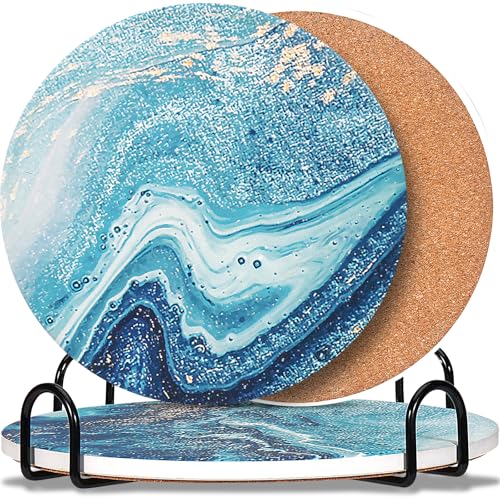
Cork and bamboo provide natural, rigid alternatives. KITLAB’s cork model is listed at 0.4 inches thick, while Dovesail uses bamboo in several sizes and a decorative hexagon pattern. These materials can look more like table accessories than utility mats, but their care requirements are more limited. KITLAB says to wipe the cork clean and avoid both the dishwasher and microwave. Dovesail’s listing supplies no dishwasher instruction or specific temperature rating, so it is best evaluated as a serving and countertop accessory rather than by an exact heat ceiling.
Match the heat specification to the task
A documented temperature range is useful when comparing the best hot pads & trivets, but it does not replace safe handling. ME.FAN and SMARTAKE list heat resistance up to 480°F. NICESOPIN lists -40°F to 480°F, while QPIX DIGITAL, Walfos, Linda’s Essentials, and other silicone designs list limits around 446°F. These figures establish a clear specification difference, but they should be followed as stated and should not be interpreted as permission to expose any mat to open flame.
SMARTAKE explicitly says direct contact with open flames is not recommended. That warning is important because a trivet is designed to sit between hot cookware and a table or counter, not to function as a burner shield. Also consider the cookware’s footprint: heat protection is only useful when the dish rests securely on the mat rather than extending far beyond it.
Some textile and natural-material products provide a temperature statement, while others do not. Billbotk lists protection up to 356°F, and the cotton and cork listings describe heat resistance without always giving a comparable numeric range. If a precise limit matters, a silicone model with a stated specification is easier to compare.
Check size, shape, and quantity
Size is one of the clearest practical differences. The 7- to 7.4-inch silicone rounds from ME.FAN, QPIX DIGITAL, NICESOPIN, and Walfos are compact and easy to place near a stove or serving area. SMARTAKE’s 8-inch mats and KITLAB’s 8-inch cotton and cork options provide a little more perimeter coverage. Billbotk reaches 10 inches, making it a better match for larger serving dishes.
Linda’s Essentials uses a 9-by-12-inch rectangular format, which is especially relevant for long baking dishes or worktops. Dovesail is the most size-diverse option, with 6.5-, 8.3-, and 10-inch pieces in one set. A mixed-size set can reduce the need to position two small trivets under one dish, while a uniform set may stack and store more predictably.
Quantity also affects usefulness. Four-piece sets cover several stations or can be distributed between cooking and serving. Six- and nine-piece sets are more suitable when multiple dishes arrive at the table together, though they require more storage space. Review the listed unit count rather than assuming the number of shapes or colors equals the number of usable mats.
Look for grip and handling features
A non-slip or textured surface can help keep cookware stable, especially on smooth counters. QPIX DIGITAL, NICESOPIN, Walfos, and several other silicone products document honeycomb, diamond, or textured surfaces. These patterns may also allow some flexibility when lifting or gripping a mat, but the supplied listings do not establish a measured slip-resistance result.
Cotton, cork, and bamboo have different handling characteristics. Cotton rope is soft and absorbent, cork is lightweight and described as non-slip in some listings, and bamboo is rigid and polished. The best hot pads & trivets for a serving table may therefore differ from the best option beside a sink or cooktop. Consider whether you want a mat that bends around an object or a firm base that stays flat.
Plan cleaning and storage
Dishwasher compatibility is a major convenience advantage for the silicone products selected here. Flexible construction also supports flat stacking or hanging, and several models include a hole or describe hanging storage. Walfos and SMARTAKE specifically mention hanging, while ME.FAN and NICESOPIN document hanging features as well.
Fabric models offer washable care, but follow the stated instructions and avoid assuming that every textile trivet handles every appliance. Cork should be wiped rather than machine-washed, and bamboo’s supplied evidence emphasizes construction and use rather than dishwasher suitability. If the mat will be used under wet dishes, absorbent cotton may be attractive; if it will routinely encounter oil or sauces, washable silicone may be simpler to maintain.
Choose secondary functions carefully
Many of the best hot pads & trivets are designed to do more than separate hot cookware from a counter. Silicone models may also serve as jar openers, spoon rests, coasters, drying mats, or bowl mats. QPIX DIGITAL and Walfos document especially broad secondary uses, while NICESOPIN lists a corner-hole storage design and multiple kitchen functions.
Natural and fabric materials can also work as coasters, plant bases, drying mats, or decorative placemats. These extra uses add flexibility, but they should not distract from the primary job. First confirm heat range, size, and stability; then use the extra functions that match the supplied instructions.
Final Recommendation
SMARTAKE Silicone Trivet Mats, 6-Pack ranks first overall in this specification-based comparison under the published weighted criteria.
ME.FAN is the highest-scoring returned product and the first overall specification-based choice among these best hot pads & trivets. Its combination of a stated 480°F limit, thickened 0.28-inch silicone, double-sided design, dishwasher care, and hanging storage gives it the broadest balance of core features.
SMARTAKE is the stronger alternative when six 8-inch mats and a 480°F specification are more useful than a smaller four-piece set. For rectangular cookware, Linda’s Essentials provides the clearest coverage advantage with 9-by-12-inch mats. QPIX DIGITAL and NICESOPIN are compelling for textured silicone handling and easy maintenance, while Walfos adds useful shape variety.
Among the top hot pads & trivets made from non-silicone materials, Billbotk offers the largest round coverage, KITLAB’s cotton set emphasizes absorbency, KITLAB’s cork set brings a thick natural surface, and Dovesail supplies three bamboo sizes. Their trade-offs are mainly care instructions, heat-specification detail, or flexibility compared with silicone.
Frequently Asked Questions
Which of the best hot pads & trivets has the highest stated heat limit?
ME.FAN, SMARTAKE, and NICESOPIN list heat resistance up to 480°F. Those figures are product specifications, not a recommendation to use the mats over an open flame. SMARTAKE specifically says direct open-flame contact is not recommended.
Are silicone or cotton trivets easier to clean?
The selected silicone products from ME.FAN, SMARTAKE, QPIX DIGITAL, NICESOPIN, Walfos, and Linda’s Essentials list dishwasher-safe or dishwasher-compatible cleaning. KITLAB and Billbotk describe washable cotton construction, while cotton may require more attention to drying. Cork requires wiping, and the bamboo listing does not document dishwasher care.
What size should I choose for a large serving dish?
Look for a mat that extends beneath the dish with a stable margin. Billbotk lists 10-inch round trivets, Dovesail includes 10-inch bamboo pieces, and Linda’s Essentials lists 9-by-12-inch rectangular mats. These offer more documented coverage than the compact 7-inch silicone formats.
Can hot pads also be used as jar openers or spoon rests?
Several silicone designs document those secondary uses. Walfos, QPIX DIGITAL, NICESOPIN, and ME.FAN list combinations such as jar opening, spoon resting, coasters, or drying mats. Use each product according to its supplied instructions and keep those functions separate from any unlisted appliance use.
Which top hot pads & trivets are best for decorative table settings?
Cotton, cork, and bamboo designs provide the most specification-aligned documented decorative emphasis. Billbotk describes a farmhouse style, KITLAB offers natural cork, and Dovesail uses a bamboo hexagon design. Silicone remains the easier-care choice when appearance is less important than washing and flexible storage.