Buying Guide
Sensitive skin benefits from a cleanser that removes oil, sunscreen, and makeup without disturbing the skin barrier. This buying guide breaks down how the best hypoallergenic facial cleansers in this comparison approach sensitivity, ingredients, and daily use, so you can match a formula to your skin type and routine.
What “Hypoallergenic” Means on a Cleanser Label
Hypoallergenic facial cleansers are formulated to minimize common triggers for reactive skin. The products in this guide all describe themselves as hypoallergenic, and most also document being non-comedogenic and free of ingredients that frequently cause irritation, such as synthetic fragrance, dyes, parabens, and harsh sulfates. When comparing options, look beyond the hypoallergenic claim itself and check the full free-from list, because formulations vary in how aggressively they avoid potential triggers.
Among the picks, the Aveeno Calm + Restore Nourishing Oat Face Cleanser lists no fragrance, parabens, sulfates, alcohol, phthalates, or dyes, while the Neutrogena Ultra Gentle Foaming Facial Cleanser specifies soap-, dye-, and fragrance-free formulations. These documented free-from lists offer a practical starting point for shoppers who already know which ingredient families tend to bother their skin.
Cleanser format influences how a product feels and how thoroughly it cleans. Foaming washes, such as the Neutrogena Ultra Gentle Foaming Facial Cleanser and the Amazon Basics Foaming Facial Cleanser with Ceramides & Hyaluronic Acid, tend to lift oil efficiently and suit normal-to-oily complexions. Milky or cream textures, like the Aveeno Calm + Restore Nourishing Oat Face Cleanser, often feel more cushioning on dry skin.
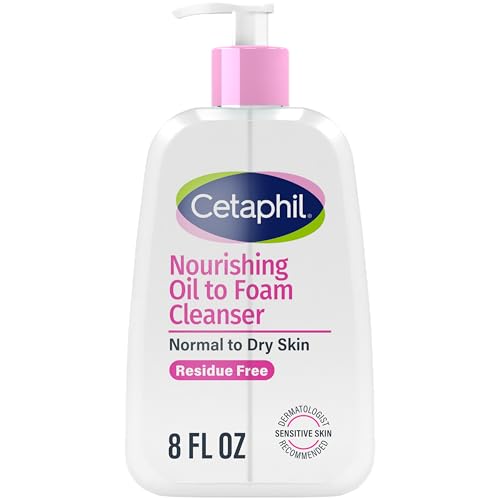
Dual-texture cleansers bridge those preferences. The Cetaphil Cream to Foam Face Wash starts creamy and finishes as a gentle foam, blending comfort with a foaming cleanse, while the Cetaphil Nourishing Oil to Foam Facial Cleanser shifts from a silky oil to a foam, which can help with thorough makeup and sunscreen removal. For shoppers with both oily and dry zones, these transitional formats can offer a balanced daily option.
Skin-Barrier Ingredients to Look For
The best hypoallergenic facial cleansers in 2026 go beyond just being mild; they include ingredients that actively support the skin barrier during cleansing. Humectants such as glycerin, used in the Neutrogena Liquid Gentle Foaming Face Wash with Glycerin, help skin retain moisture, while hyaluronic acid in the Neutrogena Hydro Boost Fragrance-Free Face Wash supports hydration. Ceramides, featured in the Amazon Basics Foaming Facial Cleanser with Ceramides & Hyaluronic Acid, are well known for helping reinforce the skin’s protective layer.
For reactive skin that flares visibly, calming ingredients are also worth considering. Feverfew is the headline calming agent in both Aveeno Calm + Restore picks, while prebiotic oat in the Aveeno Calm + Restore Nourishing Oat Face Cleanser and aloe vera in the Cetaphil Cream to Foam Face Wash add a soothing element to the cleanse. The Cetaphil Daily Facial Cleanser for Sensitive & Oily Skin (20 oz) brings niacinamide and panthenol into the mix for barrier-supportive daily use.
Matching a Cleanser to Your Routine
Think about when and how often you plan to cleanse. Twice-daily routines favor larger or pump-style formats such as the Cetaphil Daily Facial Cleanser for Sensitive & Oily Skin (20 oz) or the 16 fl oz Neutrogena Ultra Gentle Foaming Facial Cleanser, while smaller bottles such as the Aveeno Calm + Restore Redness Relief Cleanser (6 fl oz) make sense for short trials or travel. If you wear long-wear makeup or water-resistant sunscreen, an oil-to-foam option like the Cetaphil Nourishing Oil to Foam Facial Cleanser can simplify a single-step double cleanse.
Final Recommendation
Aveeno Calm + Restore Nourishing Oat Face Cleanser ranks first overall in this specification-based comparison under the published weighted criteria.
The final choice among the best hypoallergenic facial cleansers depends on the documented features that match your intended use.
The Aveeno Calm + Restore Nourishing Oat Face Cleanser stands out as the first overall specification-based choice, pairing a thoroughly documented free-from formulation with skin-barrier ingredients (oat and feverfew) that actively support sensitive, reactive skin during cleansing. Among the top hypoallergenic facial cleansers in this comparison, it offers the most specification-aligned blend of sensitivity profile, calming ingredients, and daily usability. For shoppers who prefer a foaming format, the Neutrogena Ultra Gentle Foaming Facial Cleanser and the Amazon Basics Foaming Facial Cleanser with Ceramides & Hyaluronic Acid are strong alternative picks, while the Cetaphil Daily Facial Cleanser for Sensitive & Oily Skin (20 oz) is a sensible choice for oily, sensitive complexions that want niacinamide support. Across all ten picks, prioritizing documented free-from lists and barrier-supportive ingredients will help narrow the top hypoallergenic facial cleansers to the one that best fits your skin.
Frequently Asked Questions
What ingredients should I avoid in the best hypoallergenic facial cleansers?
Look for cleansers that document being free of synthetic fragrance, dyes, parabens, and harsh sulfates. Several picks in this guide, including the Aveeno Calm + Restore Nourishing Oat Face Cleanser and the Neutrogena Hydro Boost Fragrance-Free Face Wash, list extensive free-from formulations that minimize common reactive-skin triggers.
Are foaming cleansers safe for sensitive skin?
Foaming cleansers can be suitable for sensitive skin when formulated without harsh surfactants and without fragrance. The Neutrogena Ultra Gentle Foaming Facial Cleanser and the Amazon Basics Foaming Facial Cleanser with Ceramides & Hyaluronic Acid are documented as hypoallergenic and free of soap and dye, which supports daily use on reactive complexions.
Cream-to-foam, milky, and oil-to-foam formats tend to feel more cushioning than purely foaming washes. The Cetaphil Cream to Foam Face Wash offers a creamy start with a gentle foam finish, the Cetaphil Nourishing Oil to Foam Facial Cleanser adds an oil phase for richer cleansing, and the Aveeno Calm + Restore Nourishing Oat Face Cleanser provides a milky, hydrating texture.
Do hypoallergenic facial cleansers help with redness?
Cleansers alone do not treat redness, but formulas with calming ingredients can support visibly reactive skin. The Aveeno Calm + Restore Redness Relief Cleanser uses feverfew to help reduce the look of redness, while broader options such as the Cetaphil Daily Facial Cleanser for Sensitive & Oily Skin (20 oz) focus on barrier support that may help reduce sensitivity over time.
How do I choose between the hypoallergenic facial cleansers in this guide?
Start by identifying your skin type and preferred format. Oily, sensitive skin often does well with the Cetaphil Daily Facial Cleanser for Oily & Combination Skin or the Neutrogena Ultra Gentle Foaming Facial Cleanser, while dry, sensitive skin may prefer the Cetaphil Nourishing Oil to Foam Facial Cleanser or the Aveeno Calm + Restore Nourishing Oat Face Cleanser. Redness-prone users can prioritize the Aveeno Calm + Restore Redness Relief Cleanser, and shoppers who want barrier actives such as ceramides or hyaluronic acid can focus on the Amazon Basics Foaming Facial Cleanser with Ceramides & Hyaluronic Acid or the Neutrogena Hydro Boost Fragrance-Free Face Wash.