Buying Guide
The best oil-free facial cleansers are defined here by the features actually documented in their public listings: an oil-free or oil-free-positioned formula, a facial cleansing function, and enough information to compare texture, skin-type guidance, and supporting ingredients. This is not a hands-on test. It is a specification-based comparison, so the scores reflect the supplied descriptions and specifications rather than personal use or customer sentiment.
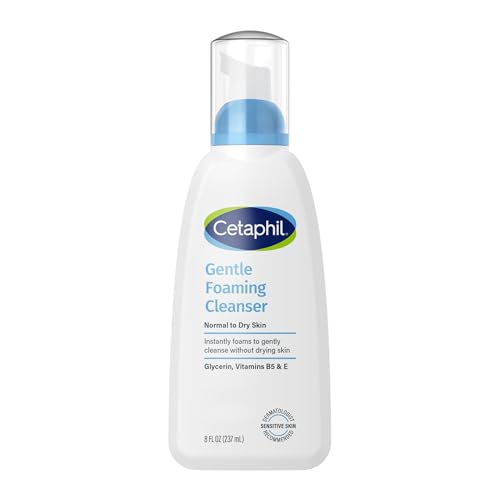
Look first for direct wording. Purpose, Cetaphil Oil Free Gentle Foaming Facial Cleanser, La Roche-Posay Effaclar, Differin, Olay, Clinique, Clean & Clear Essentials, and Farmacy explicitly identify oil-free formulas in their supplied evidence. That direct statement makes category fit easier to assess. CeraVe Foaming Facial Cleanser and Neutrogena Ultra Gentle Foaming Facial Cleanser are included because their titles and features establish them as facial cleansers for oily or sensitive skin with cleansing designs that overlap the requested category, but their supplied feature text does not use the exact oil-free claim.
Do not treat every cleansing claim as interchangeable. “Oil-free” describes the formula positioning, while “removes oil” describes what the cleanser is intended to wash away. A product can document one without clearly documenting the other. For that reason, the scoring gives the greatest weight to formula documentation and separately considers cleansing scope.
Match the cleanser to your skin profile
For sensitive skin, the most useful listed details are fragrance-free, hypoallergenic, soap-free, non-comedogenic, and gentle positioning. Clean & Clear Essentials lists fragrance-free, sulfate-free, dye-free, and sensitive-skin features. Neutrogena Ultra Gentle lists fragrance-free, soap-free, dye-free, hypoallergenic, and non-comedogenic properties. Purpose is also notable for explicitly excluding soap, oil, alcohol, and added sulfates. Clinique Redness Solutions adds a creamy texture, a 100% fragrance-free claim, allergy testing, and redness-prone positioning.
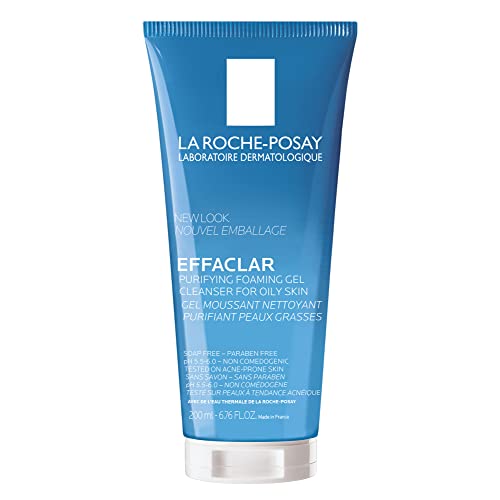
For oily or combination skin, look for documented excess-oil cleansing and pore-related language. La Roche-Posay Effaclar uses a foaming gel with zinc pidolate and is listed for oily skin. Olay describes a lathering cleanser for oily and combination skin. Differin identifies an oil-free formula for oily or combination skin and uses an amino-acid-based cleansing system for surface oil and pore-clogging impurities. Farmacy Whipped Greens is also positioned for oily and combination skin, with green clay and papaya enzymes.
These labels are selection aids, not diagnoses. The evidence does not establish that every formula suits every person or that a cleanser will resolve a skin condition.
Choose between foam, gel, and cream textures
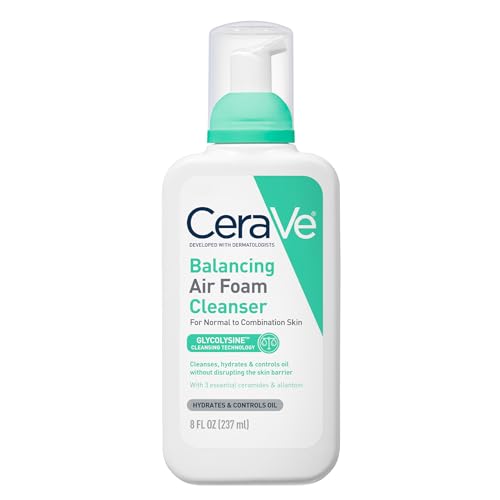
Foaming cleansers make up most of this comparison. CeraVe, Cetaphil, Clean & Clear Essentials, Neutrogena Ultra Gentle, and Farmacy describe foaming formats. Foam can be convenient for a quick lathering step, but the listing alone cannot predict how any individual will experience the texture.
Gel formats include La Roche-Posay Effaclar and Olay. Effaclar is described as a clear, refreshing foaming gel, while Olay is a lightweight lathering gel. These formats may appeal to shoppers who prefer a more fluid cleanser that spreads easily over wet skin.
Clinique Redness Solutions is the selected cream cleanser. Its creamy texture and redness-prone positioning give the comparison a non-foaming alternative. The best oil-free facial cleansers for a particular routine may therefore differ according to whether you prefer a rich cream, a gel that lathers, or a foam that dispenses ready for washing.
Consider active and supporting ingredients
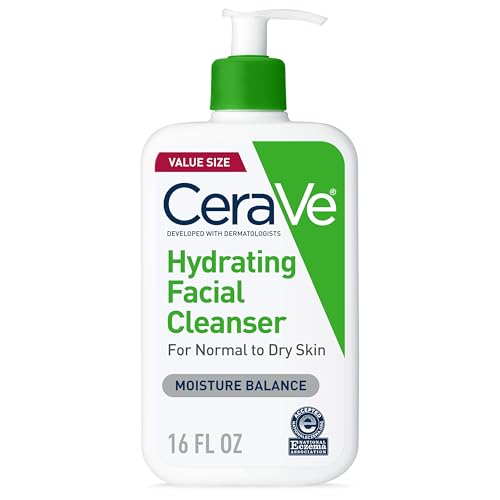
Ingredient details can help distinguish otherwise similar daily washes. CeraVe lists three essential ceramides. Olay combines niacinamide, peptides, and glycerin. Clean & Clear Essentials lists Pro-Vitamin B5. La Roche-Posay Effaclar documents zinc pidolate, while Differin lists 5% PHAs and an amino-acid-based cleansing system. Farmacy provides the most extensive blend here, including green clay, papaya enzymes, moringa ingredients, and sodium PCA.
Active or exfoliating ingredients are not automatically better for every routine. Differin’s PHAs and Farmacy’s papaya enzymes create a more treatment-oriented cleansing design than a basic gentle wash. If you are avoiding exfoliating ingredients, the simpler documented formulas among the selected products may be easier to evaluate.
Check how the cleanser fits your routine
The supplied use directions and formats can matter as much as the ingredient list. CeraVe, Purpose, Differin, and Farmacy provide clear routine instructions or daily-use guidance. Purpose and Olay use pump-bottle formats, while the selected products range from 5 to 16 fluid ounces. Neutrogena Ultra Gentle and Olay offer 16-ounce formats, whereas Clinique, Farmacy, and Differin use smaller containers listed at 5 or 6 fluid ounces.
Also check whether makeup removal is important. CeraVe, Cetaphil Oil Free Gentle Foaming Facial Cleanser, Clean & Clear Essentials, Clinique, and Neutrogena Ultra Gentle explicitly mention makeup removal or makeup and impurity cleansing. That does not establish that one wash removes every cosmetic product, so users with heavier makeup should follow the product directions and their normal removal routine.
Read exclusions carefully
A short exclusion list can be useful when you already know which ingredients or textures you prefer to avoid. Clean & Clear Essentials lists no parabens, phthalates, sulfates, oils, dyes, or fragrance. Purpose lists no soap, oil, alcohol, or added sulfates. Olay lists no sulfates, parabens, phthalates, synthetic dyes, or mineral oil. Neutrogena Ultra Gentle lists no fragrance, soap, or dyes. Clinique lists 100% fragrance free.
These exclusions should not be expanded into claims that the evidence does not make. For example, fragrance-free does not by itself prove universal suitability, and non-comedogenic labeling is not a guarantee for every user. Use the documented information as a screening tool and review the full ingredient label if a specific ingredient matters to you.
Final Recommendation
Clean & Clear Essentials Oil-Free Foaming Cleanser ranks first overall in this specification-based comparison under the published weighted criteria.
The final choice among the best oil-free facial cleansers depends on the documented features that match your intended use.
CeraVe Foaming Facial Cleanser is the first overall specification-based choice because it combines detailed cleansing coverage, normal-to-oily guidance, three named ceramides, and fragrance-free and non-comedogenic documentation. It is followed by Purpose Gentle Cleansing Wash for its unusually clear exclusion list and sensitive-skin focus, then Cetaphil Oil Free Gentle Foaming Facial Cleanser for direct category wording and simple daily cleansing coverage.
Among the top oil-free facial cleansers, Clean & Clear Essentials is a particularly well-documented fragrance-free option, while La Roche-Posay Effaclar is the clearest zinc-pidolate gel choice. Differin and Farmacy suit shoppers who specifically want documented exfoliating ingredients. Olay adds niacinamide, peptides, glycerin, and a large pump format. Clinique is the selected cream cleanser for redness-prone routines, and Neutrogena Ultra Gentle provides detailed sensitive-skin specifications without fragrance, soap, or dyes.
The right final pick depends on the feature you prioritize. Choose CeraVe for a broad daily foaming design, Purpose for a minimal exclusion-focused formula, Clinique for a cream texture, or Differin and Farmacy when the listed exfoliating components are central to your routine. Always compare the current package label with your own ingredient requirements before use.
Frequently Asked Questions
What makes the best oil-free facial cleansers different from one another?
They differ in texture, skin-type guidance, cleansing scope, and supporting ingredients. The selected products include foams, gels, and a cream cleanser. Some focus on sensitive-skin exclusions, while others document excess-oil cleansing, pore-related ingredients, PHAs, enzymes, ceramides, or niacinamide.
Which selected cleanser is documented for sensitive skin?
Purpose, Cetaphil Oil Free Gentle Foaming Facial Cleanser, Clean & Clear Essentials, Clinique Redness Solutions, and Neutrogena Ultra Gentle all include sensitive-skin or gentle-use documentation. Their approaches differ: Purpose emphasizes soap-free and alcohol-free cleansing, Clean & Clear emphasizes fragrance-free exclusions, Clinique uses a creamy fragrance-free format, and Neutrogena emphasizes hypoallergenic, soap-free, and dye-free features.
Are the best oil-free facial cleansers always foaming products?
No. Most selected products are foaming or lathering, but Clinique Redness Solutions is documented as a creamy oil-free cleanser. La Roche-Posay Effaclar and Olay are gel-oriented options. Texture preference is therefore an important part of comparing the listed formulas.
Which options document exfoliating ingredients?
Differin lists 5% polyhydroxy acids, and Farmacy lists papaya enzymes. Both are positioned for oily or combination skin. These ingredients create a different design from a basic gentle cleanser, so shoppers avoiding exfoliation should read the full label and choose accordingly.
Does non-comedogenic labeling guarantee a cleanser will suit everyone?
No. It is a product-positioning claim, not a universal result. CeraVe, La Roche-Posay Effaclar, Clean & Clear Essentials, and Neutrogena Ultra Gentle include non-comedogenic documentation, but individual ingredient preferences and skin responses can still differ. Review the complete label and product directions when a specific concern is important.