Buying Guide
Choosing the best irish cream ground coffee starts with separating the flavor concept from the coffee base. Every selected product is sold as ground coffee with an Irish cream or Irish creme direction, but the supporting specifications differ. Some listings emphasize Arabica origin, some focus on decaffeination or dietary attributes, and others add chocolate, vanilla, or packaging details. Use the sections below to match the documented features to your brewing habits rather than treating all flavored coffee as interchangeable.
Start with the flavor profile
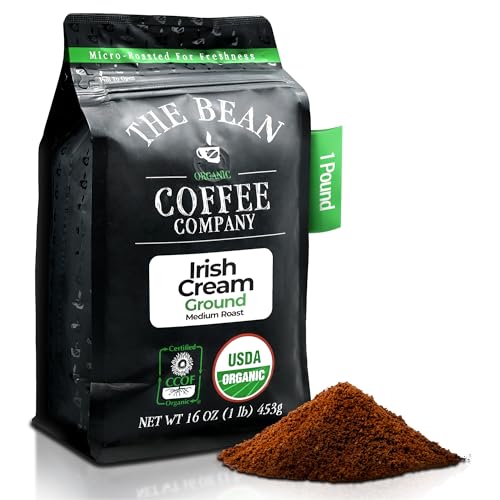
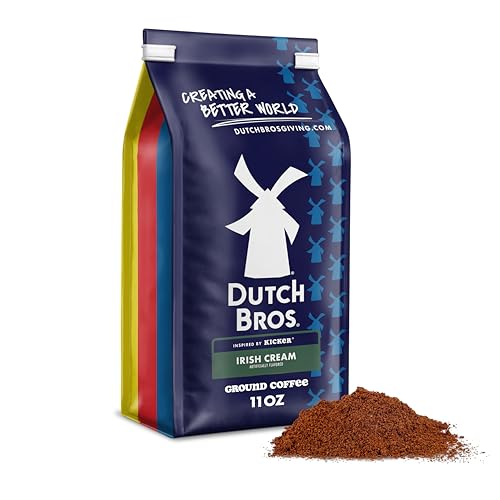
Irish cream flavor can be presented as creamy, sweet, silky, vanilla-forward, or chocolate-led. Baileys Original Irish Cream Medium Roast is described with sweet cream and vanilla notes, making it a natural fit for a familiar dessert-style cup. Dutch Bros Irish Cream Ground Coffee takes a lighter, smooth approach inspired by the Dutch Bros Kicker flavor. The Bean Organic Irish Cream Decaf emphasizes Irish cream while pairing it with organic and low-acid positioning.
For a more pronounced dessert variation, Top of the Mornin’ Chocolate Irish Cream adds rich chocolate to sweet cream. That is a meaningful distinction: shoppers seeking a straightforward creamy profile may prefer Baileys Original, while chocolate-oriented drinkers have a clearly documented alternative. Door County Irish Cream Medium Roast and Catholic Coffee St. Patrick Irish Cream both describe their flavor as smooth or sweet while giving more attention to the underlying coffee.
Compare the coffee base
The bean information can help distinguish a flavored coffee whose listing gives useful sourcing details from one that only names the flavor. Door County uses Specialty Class 1 Arabica, while Stone Street Irish Creme Colombian Arabica identifies 100% Colombian Arabica. Catholic Coffee St. Patrick Irish Cream and Thank God for Coffee Irish Cream both specify single-origin Honduran Arabica. These details do not prove a particular taste result, but they provide a clearer description of what forms the coffee base.
Top of the Mornin’ Chocolate Irish Cream is identified as specialty-grade, and Dutch Bros specifies 100% Arabica. Bewley’s Irish Creme also states 100% Arabica, although its supplied listing contains fewer details about origin and roast. When comparing the best irish cream ground coffee choices, prioritize the level of information that matters to you: named origin, specialty classification, or simply an Arabica base.
Match the roast to your routine
Most of the selected options use a medium roast description, including Door County, Stone Street, Baileys Original, Top of the Mornin’, Catholic Coffee, and Thank God for Coffee. Medium roast wording generally gives the comparison a consistent starting point, but it does not establish an identical flavor. The added Irish cream, vanilla, chocolate, and coffee-origin descriptions still create meaningful differences.
Dutch Bros is described as a smooth and light blend rather than being given a conventional roast label. Bewley’s provides no clear roast level in the supplied evidence. These products may suit shoppers who are more interested in brand or flavor identity than detailed roast classification, but the available specifications are less complete. Avoid assuming that one roast label guarantees a particular strength or extraction result; the listings do not provide hands-on tasting or brewing measurements.
Check brewing compatibility
Pre-ground coffee is convenient, but brewing guidance varies. Catholic Coffee St. Patrick Irish Cream and Thank God for Coffee Irish Cream list drip, French press, pour-over, and cold brew. Door County also names drip, French press, and cold brew, while Top of the Mornin’ lists drip, pour-over, and French press. These are useful choices when one bag needs to work across several brewers.
Baileys Original is listed for drip and pour-over, and Stone Street provides a resealable bag with a one-way degassing valve rather than a long list of brewing methods. The right pick depends on the equipment you actually use. If you alternate between hot and cold preparation, select a product whose listing explicitly documents cold brew compatibility instead of inferring it from the phrase “ground coffee.”
Decide whether caffeine matters
Caffeine status is one of the clearest dividing lines in this category. Crazy Cups Decaf Irish Cream Ground Coffee is explicitly decaffeinated and is positioned for evenings or other times when caffeine is not wanted. The Bean Organic Irish Cream Decaf also documents decaffeination, using mountain and Swiss water processes. These two products provide more information than a generic claim that a coffee is smooth or comforting.
The other selected products should not be treated as decaffeinated because their supplied evidence does not say so. If caffeine avoidance is important, use an explicit decaf designation as a selection requirement. Also distinguish coffee from alternatives: a product must independently be ground coffee for this guide, rather than merely an herbal beverage with a coffee-style name.
Review dietary and process details
Some listings provide useful information about ingredients or production. Crazy Cups identifies natural flavoring, no added sugar, and several dietary attributes, including non-dairy, vegan, and kosher pareve. The Bean Organic describes certified organic beans and certified organic natural flavorings, plus small-batch roasting in the United States. Thank God for Coffee identifies a dairy-free, vegan-friendly formula with no added sugar or carbs.
Door County describes air roasting and notes that its coffee is keto friendly and free of dairy and gluten. Stone Street documents small-batch micro-roasting and its resealable package. These claims are included as listing specifications, not as independent verification. They can help narrow a purchase decision, but they should not be read as a guarantee of flavor, freshness, or personal tolerance.
Bag sizes in the selected group range from 7 ounces to 16 ounces, with the exact size shown in each product entry. A larger format can fit frequent brewing, while a smaller bag can be useful when testing a flavor direction. Stone Street uses a 16-ounce resealable bag, and The Bean Organic also lists a 16-ounce package.
Evidence depth is another practical comparison point. Some products provide origin, roast, brewing, flavor, and process details. Others, such as Bewley’s Irish Creme, establish the core category fit but leave roast and method information unspecified. A concise listing is not proof of inferior coffee; it simply supports fewer conclusions. Keep the distinction clear when selecting among the top irish cream ground coffee options.
Final Recommendation
Among the top irish cream ground coffee, the ranked products differ under documented irish cream flavor clarity, coffee base quality, roast profile, brewing versatility, and dietary and process transparency.
Door County Irish Cream Medium Roast ranks first overall in this specification-based comparison under the published weighted criteria.
Door County Irish Cream Medium Roast is the first overall specification-based choice because it combines Specialty Class 1 Arabica, a defined medium roast, air roasting, direct Irish cream flavor positioning, and compatibility with drip, French press, and cold brew. It offers the broadest blend of coffee-base and brewing evidence in this comparison.
Stone Street Irish Creme Colombian Arabica is a strong alternative for shoppers who want a larger resealable bag and a documented Colombian Arabica base. Baileys Original Irish Cream Medium Roast is better suited to a familiar sweet cream and vanilla direction, while Dutch Bros is the lighter cafe-inspired option.
For caffeine-free brewing, Crazy Cups Decaf Irish Cream Ground Coffee and The Bean Organic Irish Cream Decaf are the clearest choices because their decaf status is explicit. Top of the Mornin’ Chocolate Irish Cream is the more distinctive pick for chocolate notes. Catholic Coffee St. Patrick Irish Cream and Thank God for Coffee Irish Cream stand out for origin and brewing detail, while Bewley’s Irish Creme is a simpler alcohol-free Arabica option. Together, these products cover the main documented differences shoppers should consider when comparing the best irish cream ground coffee.
Frequently Asked Questions
What should I look for in the best irish cream ground coffee?
Look for a clear flavor description, roast level, coffee-base information, and brewing guidance that matches your equipment. If caffeine or dietary attributes matter, choose a product whose listing explicitly documents those features. Door County, Catholic Coffee, and Thank God for Coffee provide especially broad information across these areas.
Is Irish cream ground coffee alcoholic?
The selected listings describe flavor inspiration rather than requiring alcohol. Bewley’s Irish Creme explicitly states that it is alcohol-free, and the other selected products do not list alcohol as an ingredient in the supplied evidence. Do not infer a product’s complete ingredient status beyond what its listing says.
Which selected coffee is decaffeinated?
Crazy Cups Decaf Irish Cream Ground Coffee and The Bean Organic Irish Cream Decaf are explicitly identified as decaffeinated. The Bean Organic listing additionally specifies mountain and Swiss water processes. The remaining selected products should not be assumed to be decaf because their supplied descriptions do not make that claim.
Can Irish cream ground coffee be used in a French press?
Several selected products explicitly list French press compatibility, including Door County, Top of the Mornin’, Catholic Coffee, and Thank God for Coffee. Baileys Original lists drip and pour-over instead. Follow the brewing instructions supplied for the specific product and avoid assuming every grind has identical extraction characteristics.
What is the irish cream ground coffee for a chocolate flavor?
Top of the Mornin’ Chocolate Irish Cream is the clearest choice because its listing specifically combines sweet cream and rich chocolate notes with a medium roast. It is also listed for drip, pour-over, and French press brewing, giving the flavor variation practical flexibility.