Buying Guide
Choosing the best lactose-free baby formula starts with identifying what “lactose-free” means for the feeding situation. The products in this comparison do not all use the same approach. Some are described as reduced-lactose milk formulas, one uses soy protein, and several use hydrolyzed or amino acid-based designs associated with food-allergy management. Those distinctions matter more than brand similarity or container size.
This is a specification-based comparison of public listing information. The scores consider the stated lactose approach, protein design, developmental nutrients, digestive-support ingredients, and clarity of the age and preparation format. They do not represent hands-on testing or customer sentiment.
Reduced lactose versus lactose-free
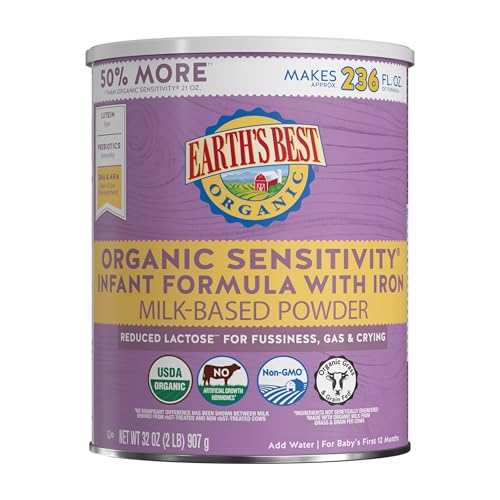
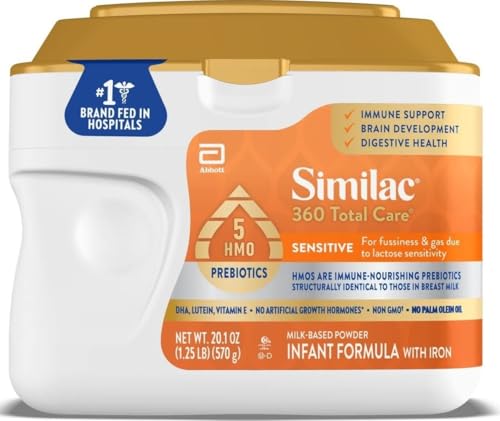
A reduced-lactose formula can still contain lactose. Similac Sensitive Powder and Similac 360 Total Care Sensitive Powder are positioned for fussiness and gas due to lactose sensitivity, while Earth’s Best Organic Sensitivity Formula is explicitly described as reduced lactose. Mama Bear Sensitivity Formula provides a more specific listing claim: 99% less lactose than standard milk-based infant formula. These may suit a family comparing lower-lactose milk formulas, but the label distinction should remain clear.
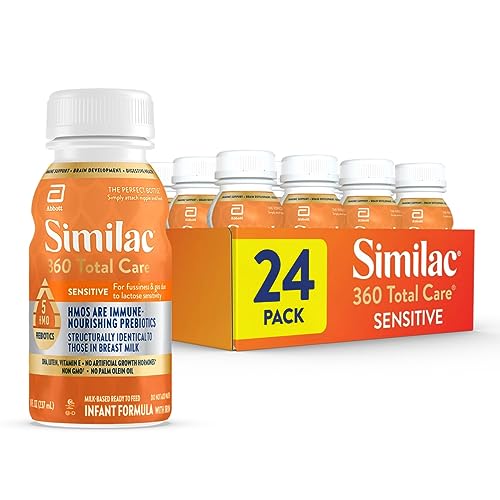
The Similac 360 Total Care Sensitive Ready-to-Feed product uses the same general sensitive positioning in a liquid format. Its listing identifies five HMO prebiotics, but it does not call the product fully lactose-free. When a clinician has recommended eliminating lactose rather than reducing it, review the exact product label and feeding plan before selecting a reduced-lactose option.
Consider the protein source
Protein design separates the products into several practical groups. Good Start Dr. Brown’s Soy-ease Pro uses 100% plant-based soy proteins and is described as milk-free and lactose-free. That makes it a distinct option for families comparing soy-based formulas with milk-based products.
Nutricia Neocate Infant and Neocate Syneo Infant use 100% amino acid-based formulas and are described as dairy-free and hypoallergenic. Their listings also identify use for food-allergy-related dietary management. Similac Alimentum Hypoallergenic Powder uses milk protein broken into tiny pieces, while Enfamil Nutramigen Hypoallergenic Liquid is described as lactose-free and intended for colic associated with cow’s milk allergy. These are specialized designs, so the relevant question is not simply whether lactose is present; it is also whether the protein approach fits the infant’s documented dietary need.
Look at developmental nutrients
Most selected products list nutrients connected with infant development. DHA appears in Similac Sensitive Powder, Good Start Dr. Brown’s Soy-ease Pro, and both Neocate products. Earth’s Best Organic Sensitivity Formula lists DHA and ARA, while Enfamil Nutramigen Hypoallergenic Liquid lists DHA, ARA, and choline. Similac Alimentum Hypoallergenic Powder lists 2’-FL HMO, and several sensitive formulas identify HMO or prebiotic ingredients.
These ingredients can help distinguish two otherwise similar category products, but a longer ingredient list does not automatically make one formula appropriate for every infant. Use the nutrition panel and the advice of a qualified healthcare professional when comparing a product for routine feeding, supplementation, or a medically directed plan.
Compare digestive-support features
Digestive-support evidence varies. Similac 360 Total Care Sensitive Powder and its ready-to-feed counterpart list five HMO prebiotics. Mama Bear Sensitivity Formula lists 2’-FL HMO, while Earth’s Best Organic Sensitivity Formula lists prebiotics. Neocate Syneo Infant combines prebiotics and probiotics, making it the most explicit option in this group for those specific added ingredients.
The product descriptions also use different protein and symptom language. Similac Sensitive Powder and Earth’s Best Organic Sensitivity Formula focus on sensitivity, fussiness, gas, or upset tummies. Nutramigen and Alimentum focus more directly on allergy-related or protein-sensitivity situations. Avoid treating these descriptions as a diagnosis. Gas, crying, spit-up, and feeding intolerance can have many causes, and the appropriate formula type should be confirmed with a pediatrician.
Choose powder or liquid carefully
Powder is the dominant format in this group. It can be useful when a household prefers a tub or can, but preparation must follow the label’s water-to-formula instructions. Earth’s Best Organic Sensitivity Formula specifically includes preparation instructions and states an approximate prepared volume when properly diluted.
Liquid formats offer a different preparation experience. Enfamil Nutramigen Hypoallergenic Liquid is a concentrated liquid, so it is not the same as a ready-to-feed bottle. Similac 360 Total Care Sensitive Ready-to-Feed is supplied in 8-fluid-ounce bottles, while the selected Similac Alimentum ready-to-feed product was not included because the ranked powder format provided stronger evidence across the scoring criteria. Always distinguish concentrated liquid from ready-to-feed liquid and follow the manufacturer’s directions.
Check age and medical-use details
Several listings clearly state first-year use. Earth’s Best Organic Sensitivity Formula, Mama Bear Sensitivity Formula, and Neocate Infant identify infants from 0–12 months or the first year. Other listings provide a product format and infant designation but do not state an age range in the supplied evidence. That missing detail is not a reason to infer suitability.
Hypoallergenic and amino acid-based formulas deserve particular care. Neocate Infant, Neocate Syneo Infant, Similac Alimentum Hypoallergenic Powder, and Enfamil Nutramigen Hypoallergenic Liquid are presented for allergy or protein-sensitivity contexts. A lactose concern alone does not establish that an extensively hydrolyzed or amino acid formula is needed. Conversely, removing lactose may not address an issue caused by milk protein. Ask a pediatrician to match the formula type to the infant’s symptoms and medical history.
Final Recommendation
Neocate Syneo Infant ranks first overall in this specification-based comparison under the published weighted criteria.
Neocate Syneo Infant is the best lactose-free baby formula in this comparison when the specification priority is a dairy-free amino acid base paired with prebiotics and probiotics. Its listing also provides a clear 0–12-month design and identifies DHA, ARA, nucleotides, and nutritional completeness.
For a hypoallergenic powder, Similac Alimentum Hypoallergenic Powder documents a broken-down milk protein and 2’-FL HMO. Nutricia Neocate Infant is another clearly defined amino acid-based choice, while Enfamil Nutramigen Hypoallergenic Liquid is the leading liquid-format selection for an allergy-oriented feeding plan. For reduced-lactose rather than fully lactose-free needs, Similac 360 Total Care Sensitive Powder and Earth’s Best Organic Sensitivity Formula offer well-documented powder designs. Good Start Dr. Brown’s Soy-ease Pro is the distinct milk-free soy alternative.
The top lactose-free baby formula for one infant may not be the right formula for another because reduced lactose, hydrolyzed protein, amino acid protein, and soy protein address different formulation needs. Confirm the choice with a pediatrician, read the current label, and follow the stated preparation instructions.
Frequently Asked Questions
A fully lactose-free product is identified as such in the supplied evidence. Good Start Dr. Brown’s Soy-ease Pro and Enfamil Nutramigen Hypoallergenic Liquid use that wording. Similac Sensitive Powder, Similac 360 Total Care Sensitive Powder, Earth’s Best Organic Sensitivity Formula, Mama Bear Sensitivity Formula, and the ready-to-feed Similac 360 Total Care Sensitive listing use reduced-lactose or lactose-sensitivity language instead. Read the exact label rather than treating those terms as interchangeable.
No conclusion about an individual infant can be made from the listing alone. Good Start Dr. Brown’s Soy-ease Pro is described as milk-free, lactose-free, and made with 100% plant-based soy proteins. Soy is a separate protein approach from hydrolyzed and amino acid formulas. Discuss the infant’s symptoms, dietary history, and feeding plan with a pediatrician before switching.
Which selected products use amino acid-based protein?
Nutricia Neocate Infant and Neocate Syneo Infant are both described as 100% amino acid-based and dairy-free. Their listings position them for food-allergy-related dietary management and identify them as nutritionally complete formulas. Those details make them specialized products rather than general substitutes for every case of lactose sensitivity.
Which options include HMO or prebiotic ingredients?
Similac 360 Total Care Sensitive Powder and Similac 360 Total Care Sensitive Ready-to-Feed list five HMO prebiotics. Mama Bear Sensitivity Formula lists 2’-FL HMO, and Earth’s Best Organic Sensitivity Formula lists prebiotics. Neocate Syneo Infant lists both prebiotics and probiotics. Ingredient inclusion does not determine medical suitability, so compare the full label with professional guidance.
Confirm whether the product is powder, concentrated liquid, or ready-to-feed liquid. Earth’s Best Organic Sensitivity Formula supplies water-to-formula instructions, Enfamil Nutramigen Hypoallergenic Liquid is concentrated, and Similac 360 Total Care Sensitive Ready-to-Feed is supplied in 8-fluid-ounce bottles. Use the current package directions and do not infer dilution steps from another product.