Buying Guide
The best organic meal replacement shakes are not interchangeable. Some are powders built around protein, fiber, and superfoods, while others are ready-to-drink formulas with a defined serving size and vitamin profile. Start by deciding whether you want a tub for home preparation or a bottle that can be carried and opened immediately. Then compare the evidence behind the organic claim, the meal-oriented nutrition, and the dietary restrictions that matter to you.
Confirm what “organic” means
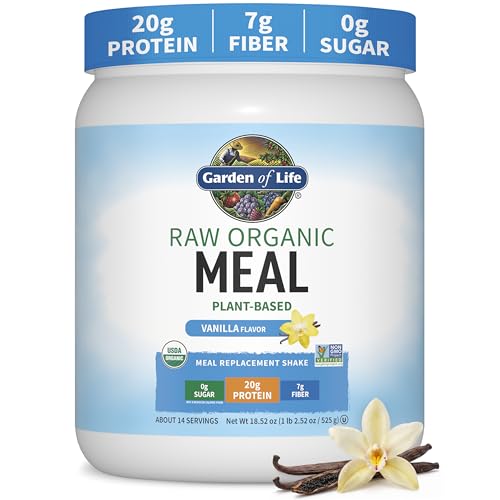
Look for an explicit certification or a clearly described ingredient standard rather than assuming that a plant-based product is organic. Several selected products state USDA Organic certification, including Orgain Perfect Meal, Garden of Life Raw Organic, Orgain Organic 20g Meal Protein, Kate Farms High Protein, Orgain Nutritional Vegan, and Kate Farms 1.0. Vega, KOS, 310 Nutrition, and Orgain 21g also use organic language in their supplied listings, but the level of certification detail differs.
That distinction matters when comparing the best organic meal replacement shakes because organic status can be presented at the product level, ingredient level, or as part of a certification list. KOS, for example, says nearly every ingredient is certified organic and mentions USDA and CCOF certified ingredients. 310 Nutrition describes an organic all-in-one shake but supplies fewer certification details in the listing. Treat those statements as useful evidence, while keeping the wording appropriately limited.
Compare protein amount and source
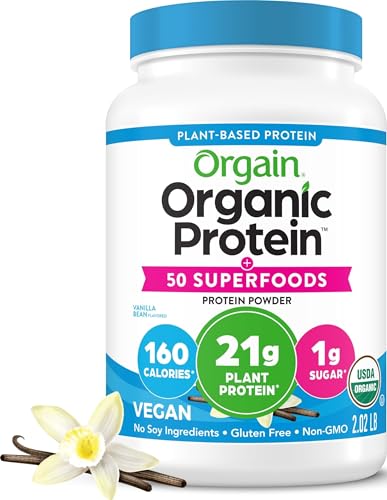
Protein is one of the clearest specifications for separating these formulas. Kate Farms High Protein lists 25g per shake, Orgain Perfect Meal lists 25g, Orgain 21g lists 21g, and several others list 20g. Ready-to-drink Orgain vegan and Kate Farms 1.0 options list 16g. A higher number is not automatically better for every use, but it can be important when the shake is intended to stand in for a meal or supplement a lower-protein eating pattern.
The source also affects dietary fit. Pea protein appears in multiple products, while Orgain 20g Meal uses organic peas, brown rice, and chia seeds. Vega uses organic pea protein, KOS uses an organic pea protein blend, and 310 Nutrition documents pea, brown rice, and pumpkin proteins. A blend may be preferable if you want several plant sources represented, although the supplied evidence does not establish how any formula performs in practice.
Check fiber and digestive-support ingredients
Fiber can make a formula more meal-like, and the listed amounts vary considerably. Orgain Perfect Meal provides 10g, Orgain 21g provides 8g, Garden of Life provides 7g, and Orgain 20g Meal provides 6g of prebiotic fiber. Kate Farms High Protein also lists 6g. Vega and KOS mention fiber without giving the same level of numerical detail in the supplied evidence.
Digestive-support ingredients are another point of comparison. Orgain Perfect Meal lists probiotics and digestive enzymes. Garden of Life lists live probiotics plus lipase, lactase, and papain. 310 Nutrition includes a probiotic and enzyme blend, while KOS lists a proprietary digestive enzyme blend. These ingredients are specifications, not guarantees of an individual result, so compare them as part of the formula rather than treating them as promised outcomes.
Decide between powder and ready-to-drink bottles
Powders usually offer more control over preparation. Orgain Perfect Meal directs users to mix two scoops with 12 fluid ounces of water or a non-dairy beverage. Other powders can be mixed into water, plant milk, smoothies, or foods. This format works well when you want to adjust texture or combine the shake with other ingredients, but it requires a scoop, liquid, and a mixing step.
Ready-to-drink products prioritize portability. Kate Farms High Protein, Orgain Nutritional Vegan, and Kate Farms 1.0 come in 11-fluid-ounce formats. Their listed serving sizes and nutrition details make comparison straightforward, and no shaker is needed. The trade-off is less flexibility in portion size and preparation. If you use a shake during commuting or between scheduled activities, the bottle format may fit more naturally.
Match calorie density to the occasion
The supplied listings show meaningful differences in stated calories. Garden of Life lists 150 calories per serving, Kate Farms High Protein lists 160, Orgain Nutritional Vegan lists 230, and Orgain Perfect Meal lists 250. Kate Farms 1.0 is described as providing vital nutrients for people who need additional calories, while its name and listing identify a distinct medical-nutrition purpose. These figures help frame the product, but they do not determine whether a serving replaces every part of an individual meal.
Consider what else will be consumed with the shake. A lower-calorie product may be used with fruit, oats, or another food, while a higher-calorie formula may be intended to provide more of the meal’s energy in one serving. Follow the product directions and consider personal nutrition needs, particularly when a product is described for medical nutrition or tube feeding.
Review dietary exclusions and sweeteners
The selected products cover several dietary patterns. Many are vegan and dairy-free, and several are also soy-free and gluten-free. Orgain Perfect Meal, Orgain 20g Meal, and Orgain 21g explicitly list combinations of those exclusions. Kate Farms High Protein is made without dairy, soy, gluten, and the top nine common allergens. Garden of Life adds Vegan, Kosher, and NSF certification details.
Sweetener information varies. Orgain Perfect Meal says it contains no artificial sweeteners, while Kate Farms High Protein lists no artificial sweeteners and Orgain products list no artificial colors, flavors, sweeteners, or preservatives in the supplied evidence. Always check the complete package label if a particular sweetener or allergen is important to you.
Final Recommendation
Orgain Perfect Meal Organic Vegan Chocolate ranks first overall in this specification-based comparison under the published weighted criteria.
The final choice among the best organic meal replacement shakes depends on the documented features that match your intended use.
Orgain Perfect Meal is the first overall specification-based choice among these selections because it combines 25g of organic plant protein, 10g of fiber, probiotics, digestive enzymes, good fats, more than 80 superfoods, and broad dietary exclusions. Garden of Life Raw Organic is a close fit for shoppers who place unusual weight on certification coverage and digestive-support ingredients. For bottles, Kate Farms Organic High Protein Strawberry supplies the highest listed protein amount and 27 vitamins and minerals.
The top organic meal replacement shakes also include useful alternatives for narrower needs. Choose Orgain Organic 20g Meal Protein for a balanced powder with 230 calories and 6g of prebiotic fiber. Choose Orgain Nutritional Vegan when a 230-calorie bottle and plant-based formula matter more than maximum protein. KOS is a reasonable option for a pea-based blend with an enzyme formula, while 310 Nutrition stands out for its pea, brown rice, and pumpkin protein combination.
No single product is ideal for every routine. Powder users should compare scoop requirements, fiber, protein, and preparation flexibility. Ready-to-drink users should compare bottle size, stated calories, protein, and the exclusions that apply to their diet. If a product is being considered for medically necessary nutrition or tube feeding, Kate Farms’ listing specifically identifies that use, but individual medical decisions should follow professional guidance.
Frequently Asked Questions
What should I look for in the best organic meal replacement shakes?
Check for an explicit organic certification or ingredient standard, a meaningful protein amount, fiber, vitamins and minerals, and a format that fits your routine. Also review allergens, sweeteners, and whether the product is a powder or ready-to-drink shake. The most complete formulas in this comparison document several of those features together rather than relying on protein alone.
Are organic meal replacement shakes always vegan?
No. The selected products include many vegan formulas, such as Orgain Perfect Meal, Garden of Life Raw Organic, Vega, KOS, and Orgain Organic 20g Meal Protein. Other organic options use dairy protein. Orgain Organic Grass Fed Dairy, for example, is not selected here, but its supplied listing identifies organic grass-fed milk protein. Read the protein source and dairy statements instead of assuming that organic means plant-based.
Is powder or ready-to-drink better for a meal replacement?
Neither format is universally better. Powder provides preparation flexibility and can be mixed with water, non-dairy beverages, smoothies, or foods. Ready-to-drink bottles are simpler to carry and use, with no shaker required. Compare the serving’s listed protein, fiber, calories, and vitamins and minerals, then choose the format that you can use consistently.
Which selected shake has the most listed protein?
Kate Farms Organic High Protein Strawberry and Orgain Perfect Meal each list 25g of protein per serving. Kate Farms provides that amount in an 11-fluid-ounce ready-to-drink bottle, while Orgain Perfect Meal is a powder prepared with two scoops. The better fit depends on whether portability or preparation flexibility is more important.
Can these products replace every meal?
The listings describe these products as meal replacements or complete nutrition options, but individual nutrition needs vary. Serving calories and nutrient profiles differ, and some products are positioned for specific medical-nutrition uses. Use the package directions and seek professional guidance when replacing meals regularly or when managing a medical nutrition requirement.