Buying Guide
Choosing among the best lead-free wine glasses starts with separating a material claim from the rest of the drinking format. The listings in this comparison identify lead-free glass, non-leaded glass, or lead-free crystal in the title or feature copy. That is the evidence used here. This guide does not treat a product as safer because of a marketplace label, customer metric, or brand reputation; those details were not used in the editorial scores.
Check how clearly the material is documented
Look for a direct statement such as “lead-free crystal,” “100% lead-free crystal,” or “non-leaded glass.” Gabriel-Glas, Ravenscroft, Imourari, GENICOOK, JBHO, WIKERWANG, and the other selected products provide that type of wording in their supplied listing data. The distinction between ordinary glass and crystal may matter for shoppers who care about clarity or presentation, but the core category requirement is the documented absence of lead.
The material descriptions are not identical. Lorren Home Trends describes high-quality lead-free glass, while WIKERWANG specifies lead-free borosilicate glass. Ravenscroft and Imourari use explicit 100% lead-free crystal wording. Meolibour uses “non-leaded glass.” These are useful differences to note rather than flattening every product into the same material claim.
Match capacity to your serving habits
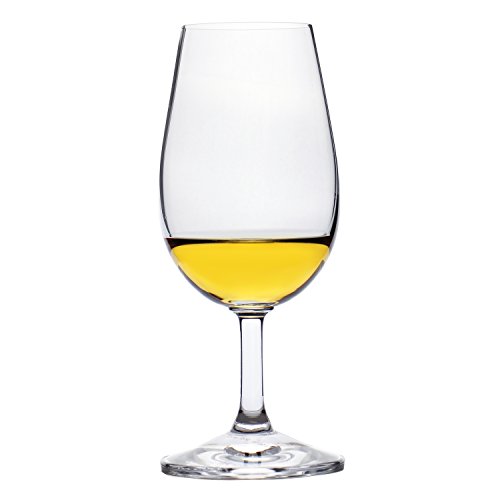
Capacity is a specification, not a recommended pour. A 7.5-ounce Ravenscroft INAO glass is designed around tasting portions, while Necessia’s 9-ounce tumbler is a compact everyday option. Lorren Home Trends reaches 20 ounces, and coccot lists 18.5 ounces. GENICOOK and JBHO each list 17 ounces. Larger capacities can provide room in the bowl for swirling, but they can also make storage and table spacing more demanding.
For a regular dinner table, 13.5 to 17 ounces is a flexible middle range. A compact glass may be preferable for controlled servings or limited cabinet space. A tasting set makes more sense when the purpose is comparing several wines rather than serving generous glasses.
Choose stemmed or stemless construction
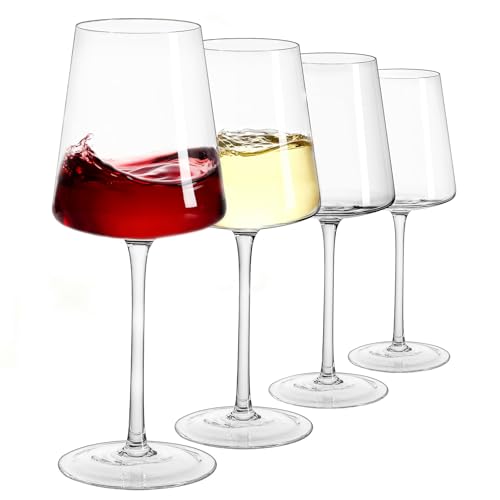
Stemmed glasses keep the hand below the bowl and are the traditional choice for wine service. The selected Gabriel-Glas, Imourari, coccot, GENICOOK, JBHO, Ravenscroft, and Lorren Home Trends sets all document stemmed designs. Look at the listed height if cabinet clearance matters: the stemmed options range from the 6.25-inch Ravenscroft tasting glass to the roughly 9-inch profiles described for several full-size sets.
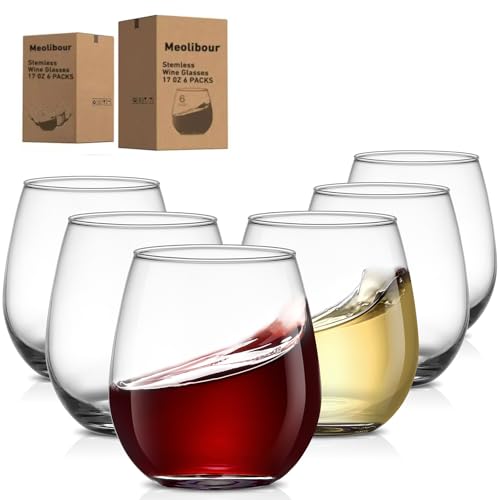
Stemless glasses trade some of that separation for a lower profile and a broader hand-friendly body. WIKERWANG, Necessia, and Meolibour document stemless formats. They can be convenient for casual tables, outdoor use, or users who prefer not to manage a stem. The trade-off is that the bowl is held directly, so the wine may receive more warmth from the hand. That is a design consideration, not a performance result established by testing.
Consider bowl and rim details
A narrowed rim or tapered bowl is repeatedly associated in the listings with directing aromas toward the drinker. Imourari documents a modern tapered shape and narrowed rim, while Necessia identifies a slender bowl and narrow rim. Meolibour describes a tulip bowl and ultra-thin rim. These details are relevant when aroma presentation is important.
The bowl shape should still match the intended use. Ravenscroft’s tall chimney and 7.5-ounce tasting format are more specialized than a large red-wine bowl. JBHO and GENICOOK describe long stems and thin or ultra-thin rims for a more refined presentation. WIKERWANG’s ribbed interior is primarily a visual and tactile design feature, while the outside remains smooth. If you want a simple, traditional appearance, Lorren Home Trends documents a smooth rim and slender stem instead.
Dishwasher-safe documentation appears for many of the selected glasses, including Gabriel-Glas, coccot, GENICOOK, WIKERWANG, Necessia, Lorren Home Trends, Imourari, and Meolibour. That can simplify routine care, but it does not establish that every dishwasher cycle will produce the same result. Follow the product’s own care instructions and consider spacing tall stemware carefully.
Thin rims, hand-blown construction, and long stems may appeal visually, but they can also suggest a need for more deliberate handling. Conversely, some listings mention tempered or strengthening processes, such as coccot and GENICOOK. Those statements are included as supplied specifications, not as independent durability test results.
Evaluate pack size and presentation
Pack size should reflect how many people you usually serve. Twelve Ravenscroft glasses suit group tasting, while six-piece sets from coccot, GENICOOK, JBHO, Necessia, Lorren Home Trends, and Meolibour provide a practical middle ground. Four-piece sets are easier to store but may require additional glasses for larger gatherings. A two-piece set, such as the unselected JBHO Italian-style option, is better suited to a couple or gift presentation than broad entertaining.
Gift packaging is documented for Gabriel-Glas, GENICOOK, JBHO, Imourari, and several other listings. Protective packaging can be useful when transporting or presenting glassware, but it does not replace checking the set on arrival. Select a gift-ready package when presentation is central; otherwise, prioritize capacity, care instructions, and the number of glasses you actually need.
How this comparison was scored
The editorial criteria were created for this category: clarity of the lead-free material claim, capacity and serving format, wine-focused shape and handling, care and durability documentation, and set utility. Each product received a 0.0-to-10.0 score on every criterion, and the weighted editorial average determined the order. No customer ratings, review totals, purchase activity, marketplace badges, or volatile pricing information was used in the published scoring. The result is a specification-based comparison, not a hands-on test.
Final Recommendation
coccot Premium Blown Wine Glasses, Set of 6 ranks first overall in this specification-based comparison under the published weighted criteria.
Gabriel-Glas Crystal Wine Glasses, Set of 6 is the first overall specification-based choice among the best lead-free wine glasses. Its documented lead-free crystal, universal red-and-white format, 16-ounce capacity, dishwasher-safe care, six-piece set, and gift box create a particularly balanced profile. It is a good starting point for shoppers who want one conventional stemmed glass rather than separate red- and white-wine shapes.
Choose Ravenscroft if tasting portions and a twelve-glass pack matter most. Choose Imourari for a tapered 13.5-ounce stemmed glass with detailed dimensions and dishwasher-safe care. coccot, GENICOOK, JBHO, and Lorren Home Trends are better aligned with larger capacities and entertaining. For stemless service, WIKERWANG provides lead-free borosilicate glass with ribbing, while Necessia favors a compact 9-ounce size and Meolibour combines a 17-ounce capacity with a broad base.
These top lead-free wine glasses are not interchangeable in use. Compare the material wording, capacity, height, stemless or stemmed format, cleaning instructions, and pack count against your own table and storage needs. The best choice is the one whose documented specifications fit those priorities without requiring assumptions beyond the listing evidence.
Frequently Asked Questions
What should I look for in the best lead-free wine glasses?
Start with a direct lead-free, non-leaded, or lead-free crystal statement in the product information. Then compare capacity, bowl and rim shape, stemmed or stemless construction, care instructions, and the number of glasses in the set. A clear material claim is essential, but it does not determine whether the glass is the right size or format for your table.
Are lead-free crystal glasses different from lead-free glass?
The supplied listings use both terms. Lead-free crystal is documented for products such as Gabriel-Glas, Ravenscroft, GENICOOK, and JBHO, while Lorren Home Trends describes lead-free glass and WIKERWANG specifies lead-free borosilicate glass. The listings support those material descriptions, but they do not provide a standardized laboratory comparison of clarity, sound, or strength.
Are stemless wine glasses a good option?
They can be useful when you prefer a lower profile, a broad base, or no stem to handle. WIKERWANG, Necessia, and Meolibour are selected stemless examples. The trade-off is that the bowl is held directly, which may warm the wine more readily than holding a stem. Stemless glasses also offer a different visual style from traditional stemware.
Which capacity is most versatile?
The answer depends on serving style. The selected glasses range from 7.5-ounce tasting glasses and a 9-ounce compact tumbler to 20-ounce large-format stemware. A midrange capacity around 13.5 to 17 ounces is a practical starting point for mixed everyday use, while larger bowls may appeal to shoppers who want more room for swirling. Capacity describes the vessel’s stated maximum, not a recommended pour.
Can lead-free wine glasses go in the dishwasher?
Several selected listings explicitly state dishwasher-safe care, including Gabriel-Glas, Imourari, GENICOOK, WIKERWANG, Necessia, Lorren Home Trends, and Meolibour. Always follow the individual product’s care instructions. Hand-blown, thin-rimmed, tall, or hand-wash-only glasses may require more careful handling, and the supplied listing should take priority over a general assumption about glassware.