Buying Guide
This guide compares the best lifelike artificial trees using documented foliage realism and texture, trunk detail and natural form, structural stability and base, size, canopy spread, and presence, materials and indoor durability, and adjustable branches and shape control.
What Makes an Artificial Tree Look Lifelike
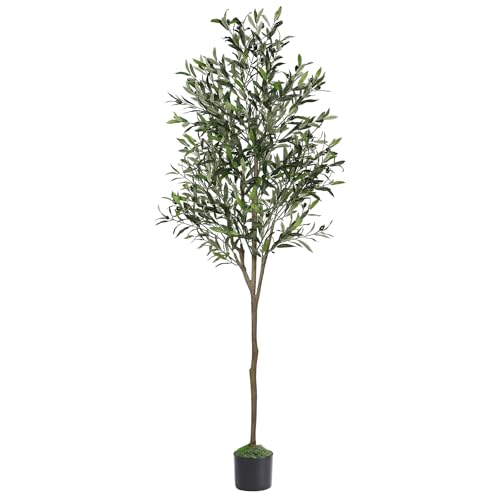
Foliage realism is the single biggest factor separating standout faux trees from obviously fake ones. Look for leaves with printed or molded veining, varied coloring across each blade, and slightly curled edges instead of perfectly flat silhouettes. The best lifelike artificial trees in this category combine silk or silk-blend materials with real-touch textures and pair them with trunks that mimic bark patterns, twisted vines, or natural wood grain, so the whole tree reads as botanical detail rather than plastic.
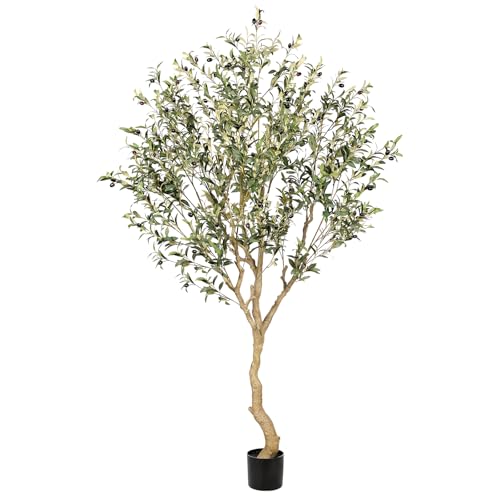
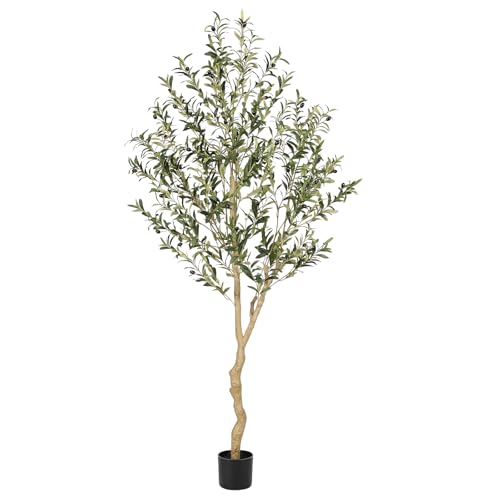
A convincing trunk often does more work than the leaves. Real ficus, olive, and fiddle leaf figs grow with twisted, multiple, or curved trunks rather than a single straight pole. The top lifelike artificial trees highlighted here use multiple natural wood trunks, twisted yellow-cattle wood, curved molded trunks, or integrated molding to reproduce that organic structure. When trunk detail is strong, the tree looks realistic even from a few feet away.
Height, Canopy Spread, and Room Scale
Measure both ceiling height and the room footprint before choosing. A 5ft or 6ft faux tree works well in apartments and standard 8-foot ceilings, while 7ft and 8ft models are designed for open-plan living rooms, lofts, and entryways. Also check the canopy spread or maximum branch width listed in the specifications, because a wide canopy can crowd narrow hallways and a slim profile can disappear behind furniture.
Structural Stability and Weighted Bases
Tall faux trees act like small floor lamps, so the base matters. Many of the lifelike artificial trees in this comparison use cement-filled pots, weighted black bases, or wide planters to resist tipping from children, pets, or door slams. If a listing shows only a thin plastic pot, plan to place the tree inside a heavier decorative planter for daily use.
Materials, Maintenance, and Indoor Durability
Most modern faux trees use polyester, silk, or silk-blend leaves with plastic or real wood trunks. Waterproof and fade-resistant materials hold color longer near sunny windows, and real-touch finishes clean easily with a damp cloth or a cool hairdryer. No watering, pruning, or fertilizer is needed, which is why the best lifelike artificial trees are so popular for offices, rentals, and low-light rooms.
Adjustable Branches and Shape Control
Internal metal wires inside branches are the unsung hero of faux trees, because shipping compresses foliage into a narrow box. Trees with reinforced, adjustable branches let you shape a slim upright silhouette or a wide, dramatic canopy, so the same product can suit either a corner placement or a centered focal-point role. The lifelike artificial trees all include this level of branch flexibility.
Matching Tree Type to Decor Style
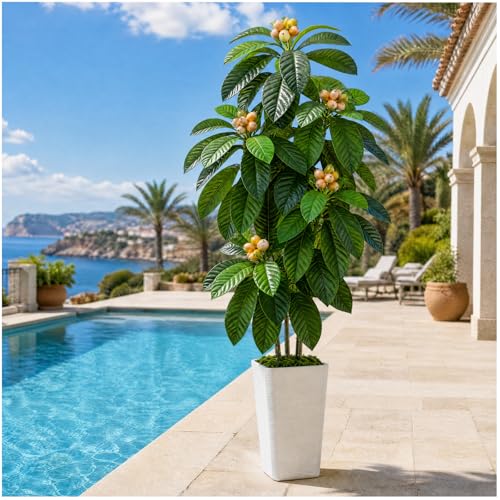
Olive trees lean Mediterranean and modern farmhouse, fiddle leaf figs suit contemporary and minimalist interiors, bird of paradise or banana leaf trees create tropical statements, and ficus or dracaena-style trees fit classic indoor garden looks. Matching the tree species to your decor style is what makes the difference between a curated room and a generic one.
Final recommendation
JOZHENJU 8ft Fiddle Leaf Fig Tree with Weighted Base ranks first overall in this specification-based comparison under the published weighted criteria.
For a specification-led choice, the Vitalismo 7ft Olive Tree with 1,228 Leaves leads this category with the highest documented leaf density, a wide weighted base, and a realistic trunk, sitting firmly among the top lifelike artificial trees available. If you want a ready-potted tall option for high ceilings, the VIVATREES 7ft Faux Olive Tree with Tall White Planter is an equally strong pick. For a tropical statement at a more compact 6ft size, the Keeplush 6ft Bird of Paradise Banana Leaf Tree stands out, while the JOZHENJU 8ft Fiddle Leaf Fig Tree is the right call when maximum vertical presence is the priority among the best lifelike artificial trees.
Frequently Asked Questions
Among the best lifelike artificial trees, how tall should a lifelike artificial tree be for a standard living room?
Most standard living rooms with 8 to 9 foot ceilings pair well with 5ft to 7ft faux trees. Anything taller can crowd the ceiling line, while anything shorter may look dwarfed by sofas and shelving.
Are faux olive trees actually convincing indoors?
Faux olive trees are among the most convincing options because real olive foliage is small, narrow, and slightly silvery green. When paired with a textured trunk and a few lifelike fruits, the best lifelike artificial trees in the olive style can read as real from several feet away.
Do artificial trees need any sunlight or watering?
No. The best lifelike artificial trees are designed to be zero-maintenance, needing only occasional dusting with a damp cloth or a cool hairdryer. They keep their color indoors without direct sunlight or fertilizer.
How do you keep a tall artificial tree from tipping over?
Choose a model with a cement-filled or weighted base, place it on a flat surface away from high-traffic door swings, and consider tucking the included nursery pot inside a heavier decorative planter for extra ballast.
Can you reshape branches after the tree ships compressed?
Yes. Most faux trees in this category ship with branches compressed to protect the foliage, and the internal metal wires let you bend, fluff, and arrange branches into a slim or full canopy after unboxing. This shaping step is part of why the lifelike artificial trees look so natural once styled.