Buying Guide
The best lightweight gardening gloves are not one universal design. A glove that feels comfortable for sowing may not provide enough coverage for pruning, while a coated model that improves tool grip may feel warmer than a thin knit. Start with the task, then compare the material, palm treatment, cuff, fit, and care instructions documented in the listing.
Match the glove to the garden task
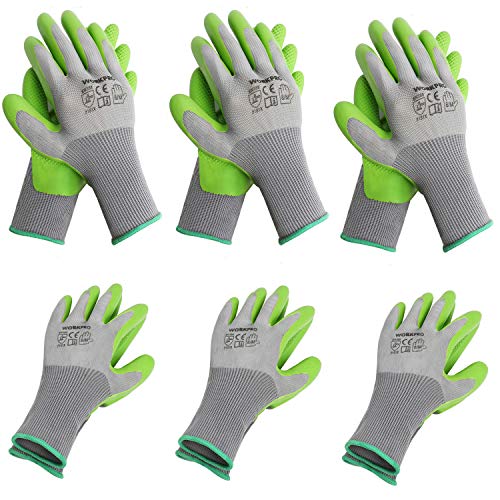
For planting, seeding, weeding, and picking, a breathable knit or coated-knit glove is a practical design. The Wells Lamont women’s PU-coated model, Nimalpal latex gloves, and WORKPRO eco-latex gloves all document breathable or stretchable fabric bases. These designs are intended to preserve flexibility while adding a working surface for handling tools and plant material.
For rougher routine work, compare palm and fingertip details rather than relying on the word lightweight alone. PROMEDIX P documents thickened fingertips and extended cuffs, while DURATECH DT identifies latex palms with tear and puncture resistance. Those are listed features, not independent test results or a guarantee of protection for every hazard.
For thorny shrubs and rose work, standard-length gloves have limits. If forearm coverage is the priority, distinguish extended pruning gloves from shorter everyday designs.
Choose the palm coating carefully
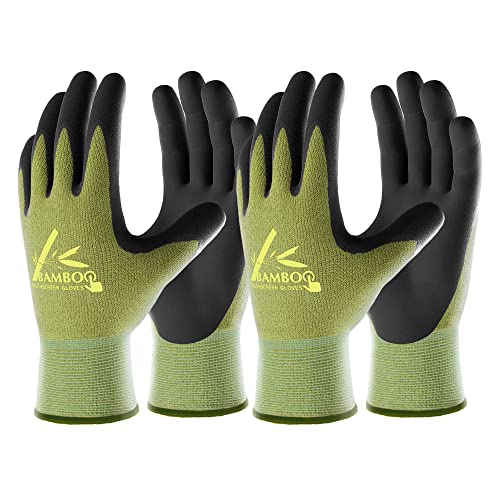
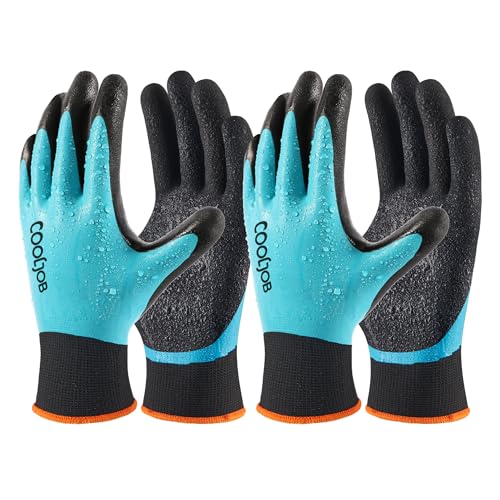
Palm treatments affect grip and feel. PU appears on the Wells Lamont model and is described for slip-resistant handling. Nitrile is used by PROMEDIX P and COOLJOB’s bamboo touchscreen model; their listings connect the coating with grip and tool control. Latex or rubber appears on Brigic, DURATECH DT, both selected COOLJOB coated designs, Nimalpal, and WORKPRO.
A coated palm can help with hand tools, pulling weeds, or damp materials. It can also reduce the airy feel of the glove compared with a thin fabric back, especially when the coating extends over the fingers. Look for a breathable or seamless base if warm-weather comfort matters. The product evidence supports material comparisons, but it does not provide independent results for wet grip, abrasion life, or heat buildup.
Prioritize fit and wrist coverage
Fit affects control as much as palm material. Wells Lamont documents an ergonomic women’s medium fit, while COOLJOB offers a women’s medium model and a men’s large model in the selected range. The COOLJOB bamboo model is unisex and states four sizes, giving it a flexible starting point for shoppers who need a size outside medium.
Wrist design is another distinction. Elastic wrists appear across options including Wells Lamont, Nimalpal, and DURATECH DT. Long or extended cuffs are documented for Brigic, PROMEDIX P, selected COOLJOB models, and DURATECH DT. These features may help keep loose soil and small debris from entering, but a cuff is not the same as forearm protection.
Use the seller’s size chart whenever one is available. A close fit can help with dexterity, but a glove that is too tight may be uncomfortable during longer sessions. A looser fit can make tool handling less precise. Confirm that the selected listing matches the intended hand size.
Consider care and rotation
Washable construction is useful when gloves contact soil, plant residue, or water. COOLJOB’s selected models specify gentle-cycle or hand washing, while Nimalpal, WORKPRO, and DURATECH DT also document washable care. Follow each listing’s instructions; COOLJOB advises air drying rather than electric heat.
Multipacks can suit gardeners who work often or prefer a clean spare nearby. WORKPRO, Nimalpal, and DURATECH DT are supplied as larger multipair sets, while Wells Lamont, Brigic, PROMEDIX P, and the selected COOLJOB women’s model provide smaller multipacks. Quantity does not by itself indicate better construction, so compare features first.
Understand what lightweight does and does not mean
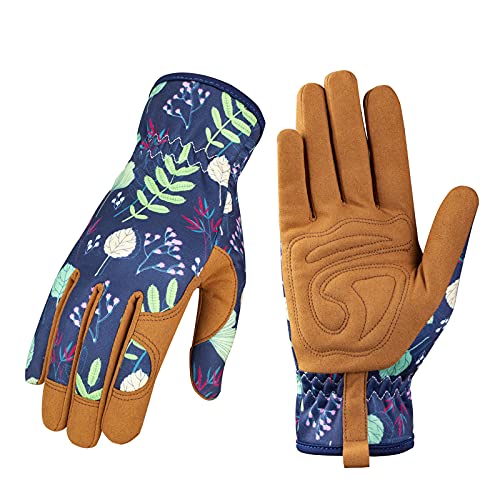
Lightweight generally points to a flexible fabric base, reduced bulk, or breathable construction in the supplied listings. It does not automatically mean thorn-proof, waterproof, cut-resistant, or suitable for every landscaping job. Latex, nitrile, PU, microfiber leather, and other listed materials have different stated uses.
The top lightweight gardening gloves in this list favor documented combinations: breathable bases, practical coatings, flexible fits, washable care, and task-relevant cuffs. They are best viewed as everyday garden work gloves, not as a substitute for specialized protective equipment when a job involves substantial thorns, sharp tools, chemicals, or heavy material handling.
Final recommendation
PROMEDIX P Nitrile-Coated Gardening Gloves ranks first overall in this specification-based comparison under the published weighted criteria.
PROMEDIX P Nitrile-Coated Gardening Gloves is the first overall specification-based choice under the published weighted criteria.
Wells Lamont Women’s PU Coated Grip Gardening Gloves is another strong choice. Its breathable seamless shell, PU palm, ergonomic fit, and ribbed wrist create a balanced profile for routine planting, weeding, and tool handling in the supplied evidence.
The best lightweight gardening gloves for warmer conditions may be the COOLJOB Bamboo Touchscreen model or Brigic Bamboo Gardening Gloves, both of which document breathable bamboo-based materials. For a stronger stated focus on fingertip and cuff coverage, PROMEDIX P and DURATECH DT are useful starting points. Gardeners who want multiple spare pairs can consider WORKPRO or Nimalpal, while the large COOLJOB model addresses a different fit need.
The top lightweight gardening gloves should be chosen by task rather than appearance or pack size. Check the size, verify the coating material, and decide whether you need a short elastic wrist or a longer cuff. If the work involves roses, holly, cactus, or other thorny plants, compare the coverage offered by a dedicated pruning glove instead of assuming a standard garden glove is enough.
Frequently Asked Questions
What should I look for in the best lightweight gardening gloves?
Look for a breathable base, a palm treatment that matches your grip needs, an appropriate size, and a cuff that suits the amount of dirt or debris you encounter. PU, nitrile, latex, rubber, and microfiber leather are represented in the selected products. Also check whether the listing documents washable care, reinforced fingertips, or extended cuffs.
Are coated gardening gloves still lightweight?
They may be. Several supplied listings pair latex, rubber, PU, or nitrile palms with breathable polyester, nylon, bamboo, or seamless knitted bases. The coating adds a working surface and may increase hand coverage, but it can also feel less airy than an uncoated knit. Lightweight is therefore a relative design description, not a standardized performance measurement.
Which selected gloves are suitable for wet garden work?
PROMEDIX P documents a textured nitrile coating for dry and wet conditions, and the men’s COOLJOB rubber-coated model also describes grip in wet and dry conditions. Those statements come from product listings and are not independent test results. Confirm current product instructions and remember that a garden glove is not necessarily waterproof.
Do I need long cuffs for ordinary gardening?
Not always. An elastic wrist may be adequate for planting, watering, or routine weeding. Long or extended cuffs, documented on DURATECH DT, Brigic, PROMEDIX P, and selected COOLJOB designs, may help reduce debris entering at the wrist. They do not provide elbow or forearm coverage. For rose pruning or extensive thorn contact, a dedicated gauntlet-style pruning glove is more relevant.
How should I choose between a multipack and a single pair?
Choose a multipack if you garden frequently, want spare pairs, or prefer to separate clean and dirty tasks. WORKPRO, Nimalpal, and DURATECH DT offer larger multipair formats in the supplied evidence. A single pair or smaller pack may be more practical when testing fit or selecting a particular material. Quantity should come after checking size, palm treatment, cuff, and care instructions.