Buying Guide
The best low-beam headlight bulbs are not determined by brightness claims alone. A low-beam replacement must match the vehicle’s socket, position, housing, and electrical system. The supplied products cover H7, H11, H4/9003, and 9006/HB4 formats, but those sizes are not interchangeable. Check the bulb currently installed, the owner’s documentation, or a vehicle-specific fit guide before comparing design details.
This comparison uses public listing data rather than hands-on testing. Claims such as lumen output, percentage improvement, service life, and vehicle coverage are presented as listing specifications, not independently verified measurements.
Start with the bulb size and position
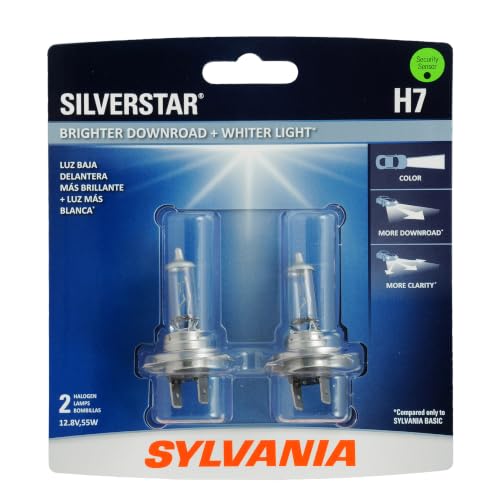
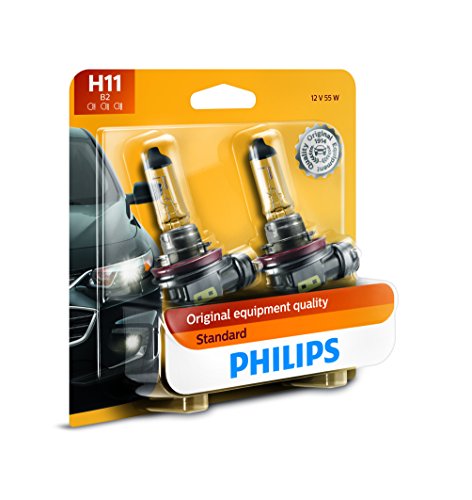
Bulb codes are the first screening point. Marsauto H7 LED Headlight Bulbs, SYLVANIA H7 SilverStar Halogen Bulbs, and SYLVANIA H7 XtraVision Halogen Bulbs are listed for H7 applications. H11 options include Forenner H11/H8/H9 LED Bulbs, ZonCar H11 LED Headlight Bulbs, SYLVANIA H11 SilverStar Ultra Halogen Bulbs, and Philips H11 Standard Halogen Bulbs. OXILAM 9006 LED Bulbs and WinPower 9006 HB4 Halogen Bulbs target 9006/HB4 sockets, while Termitor H4/9003 LED Bulbs targets H4/9003.
Several listings mention more than one possible lighting position, such as high beam, low beam, or fog light. That wording does not mean every vehicle uses the bulb in all of those positions. Confirm the exact position and notes for the vehicle before installation.
Choose halogen or LED deliberately
Halogen products retain the conventional filament-based design. The Sylvania entries describe robust filaments, proprietary gas mixtures, lamp coatings, or enhanced down-road visibility. Philips provides a standard H11 halogen format with an OEM-quality and DOT-compliant statement. WinPower adds a 4300K specification and heatproof quartz glass. These products are relevant when the vehicle’s original system calls for halogen or when retaining the original bulb technology is preferred.
LED products use chips, cooling structures, and electronic control components. The selected LED listings describe compact, halogen-size designs, integrated drivers, CANbus systems, and direct plug-in installation. Marsauto H7 LED Headlight Bulbs, OXILAM 9006 LED Bulbs, Termitor H4/9003 LED Bulbs, Forenner H11/H8/H9 LED Bulbs, and ZonCar H11 LED Headlight Bulbs all document some combination of these features.
An LED listing may advertise broad vehicle coverage, but the vehicle’s headlight housing and monitoring system still matter. A stated CANbus feature can help with compatibility, yet some listings also acknowledge that particular vehicles may need an additional decoder.
Beam control is especially important for a low-beam application. The selected LED products describe 1:1 halogen-size construction or an attempt to replicate the original filament position. Marsauto H7 LED Headlight Bulbs specifies a focused cutoff and 360-degree distribution. OXILAM 9006 LED Bulbs describes a halogen-replicating beam pattern. Termitor H4/9003 LED Bulbs and Forenner H11/H8/H9 LED Bulbs also describe focused illumination and a cutoff. ZonCar H11 LED Headlight Bulbs lists an optimized 1:1 light design.
Halogen listings use different evidence. Sylvania XtraVision emphasizes down-road visibility with no added glare, while SilverStar products describe down-road and whiter light. These are design descriptions, not independent beam measurements. After installation, correct seating and alignment remain important because a bulb that is not positioned correctly can change the intended beam.
Interpret color and output claims carefully
Color temperature can help distinguish the listed designs. Several LED products specify 6500K cool or white light. WinPower lists 4300K, while Sylvania SilverStar products describe whiter light without providing a Kelvin figure in the supplied evidence.
Lumen figures vary substantially across listings and may use different measurement methods. Termitor’s listing contains inconsistent figures, so its output claims should not be treated as a single verified number. The same caution applies to percentage-brighter statements. Use these figures to understand how each listing positions its product, not as a substitute for standardized testing.
Review construction and heat management
Halogen products in this comparison use filament and glass construction. WinPower specifically identifies heatproof quartz glass, while the Sylvania and Philips listings describe conventional replacement designs. LED products use aluminum housings, heat sinks, or fans. OXILAM emphasizes a fanless aluminum design; Marsauto H7 LED Headlight Bulbs identifies an internal cooling approach; Termitor H4/9003 LED Bulbs, Forenner H11/H8/H9 LED Bulbs, and ZonCar H11 LED Headlight Bulbs list active cooling systems.
A fan can add an additional moving component, while a fanless design may simplify the thermal structure. The supplied evidence does not establish how either approach performs in a particular vehicle. Housing clearance, dust-cover space, and local heat conditions should therefore be considered alongside the advertised service-life figures.
Plan the installation
Many selected products are described as plug-and-play or direct replacements. LED entries commonly mention compact housings, wireless connections, or no external adapter. Halogen products fit the original socket format, but the glass should not be touched during installation; Philips specifically provides that handling guidance. Sylvania and other listings recommend replacing bulbs in pairs because both lamps operate as a set and can dim over time.
Before installation, verify the bulb code, inspect the connector, and compare the replacement’s physical shape with the available housing space. After installation, check that the bulb is seated correctly and that the low-beam pattern remains properly directed.
Final Recommendation
Marsauto H7 LED Headlight Bulbs ranks first overall in this specification-based comparison under the published weighted criteria.
The final choice among the best low-beam headlight bulbs depends on the documented features that match your intended use.
Marsauto H7 LED Headlight Bulbs is the first overall specification-based choice among the returned products, with the most specification-aligned combined score for H7 fit, beam-pattern documentation, listed light output, compact construction, and CANbus features. It is best suited to an H7 application where the housing can accommodate the stated LED design.
For a 9006/HB4 socket, OXILAM 9006 LED Bulbs is the leading LED-specific option because it documents halogen-matched dimensions, a fanless aluminum design, 6500K light, and CANbus readiness. WinPower 9006 HB4 Halogen Bulbs is the more conventional alternative, with 4300K light and quartz-glass construction.
H11 shoppers have several distinct directions. Forenner H11/H8/H9 LED Bulbs offers broad documented socket coverage and active cooling, while ZonCar H11 LED Headlight Bulbs emphasizes an adjustable locking ring and direct installation. For a halogen replacement, SYLVANIA H11 SilverStar Ultra Halogen Bulbs focuses on whiter light and down-road visibility, while Philips H11 Standard Halogen Bulbs presents a straightforward OEM-style format.
The top low-beam headlight bulbs in this comparison should be selected by confirmed fit first and specification priorities second. No listing can establish compatibility for every vehicle without checking the vehicle’s bulb code, position, housing, and electrical system.
Frequently Asked Questions
How do I identify the right low-beam bulb size?
Read the code printed on the removed bulb or consult the vehicle documentation and a position-specific fit guide. The products here use different formats, including H7, H11, H4/9003, and 9006/HB4. A matching code alone may not confirm whether the socket is used for low beam, high beam, or fog lighting on a particular vehicle.
Are LED bulbs automatically better than halogen bulbs?
No. LED and halogen use different designs. LEDs in this comparison document chips, cooling systems, compact housings, and CANbus features. Halogen products use filament-based construction and may provide a simpler match for a vehicle designed around halogen bulbs. Housing geometry, electrical compatibility, and legal requirements should be checked before changing technology.
What beam details should I look for in the best low-beam headlight bulbs?
Look for evidence that the bulb is intended to preserve the original light source position or beam profile. Several selected LED listings describe 1:1 sizing, focused distribution, or a defined cutoff. Halogen listings instead discuss filament design and down-road visibility. These descriptions are useful screening information, but they are not independent beam measurements.
Should headlight bulbs be replaced in pairs?
The Sylvania and Philips listings recommend paired replacement because the two lamps operate together and can dim over time. Replacing both sides at the same time can keep the lighting setup consistent. Follow the vehicle and bulb manufacturer’s installation guidance, and avoid touching halogen glass during handling.
Can CANbus-ready bulbs work in every vehicle?
Not necessarily. Several LED listings state broad CANbus compatibility, but OXILAM and Forenner also acknowledge that some vehicle systems may need additional decoding or confirmation. Check the vehicle’s electrical requirements, dashboard-warning behavior, connector type, and available housing space before installation.