Buying Guide
The best men’s diving gloves should match the conditions and tasks you expect underwater. Thickness, palm material, closure design, and finger shape all affect how a glove behaves. The products above are compared from supplied listing evidence, not from hands-on testing, so treat performance language as a description of intended design rather than a verified result.
Choose thickness by water conditions
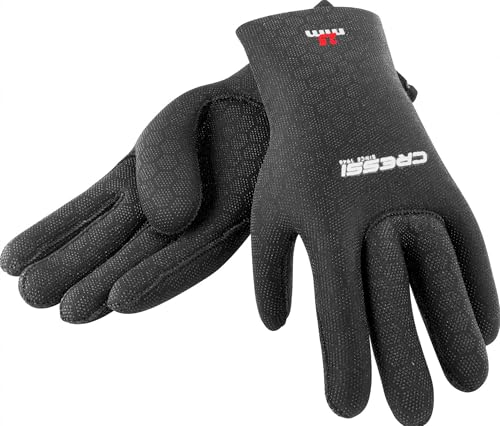
Neoprene thickness is the clearest documented way to compare insulation in this group. The SCUBAPRO Tropic uses a 1.5mm neoprene back, making it the lightest option selected and a logical fit for tropical diving or snorkeling where dexterity may be more important than maximum warmth. The Mares Amara uses 2mm neoprene, while the Cressi High-Stretch model uses 2.5mm. These middle-weight choices can suit divers looking for a balance between hand mobility and coverage.
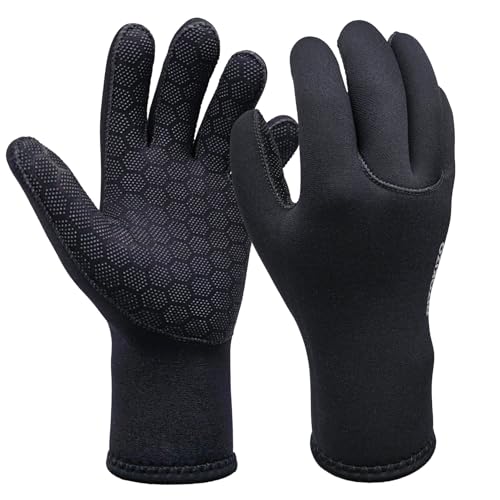
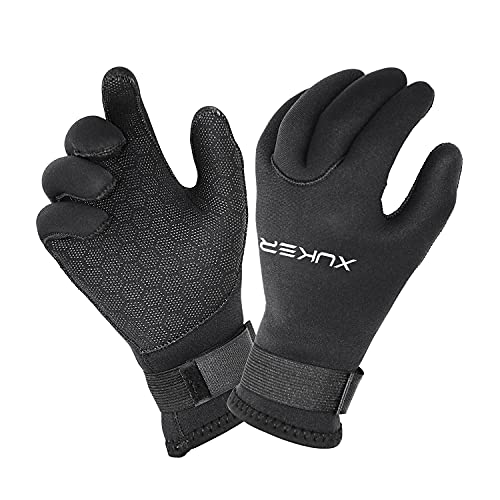
Several selected gloves use 3mm neoprene, including Dizokizo, Summshall, and XUKER. That thickness is a useful middle category for recreational diving and other cool-water activities, but the listings do not establish a universal temperature rating. The CRESSI Jutland is listed at 5mm, so it is the thickness-focused choice when additional insulation is a priority. Thickness alone does not determine comfort: fit, seams, and wrist design also influence how a glove feels in use.
Compare grip surfaces and hand protection
Grip construction matters when handling equipment, ropes, ladders, or slippery objects. The Mares Amara and SCUBAPRO Tropic list reinforced Amara material on high-contact areas. Cressi High-Stretch uses a non-slip finish over the entire surface, while the neoprene options from Dizokizo, Summshall, and XUKER specify high-grip or anti-slip palms.
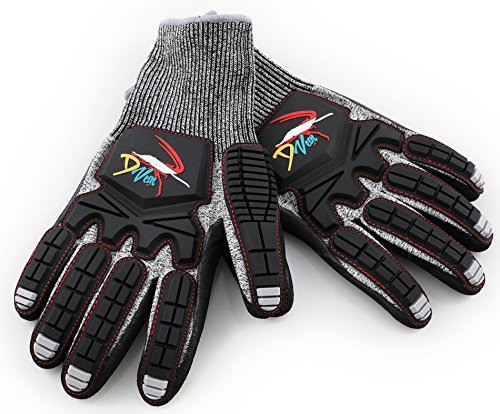
For sharper or more abrasive environments, look beyond a basic printed palm. Cressi Conch Dyfiber documents ANSI cut resistance level 4 and puncture resistance level 3. D Vein adds aramid fiber, a rubber-armored knuckle guard, and a reinforced palm. Seibertron combines an aramid inner layer with TPR impact protection on the back of the hand. These designs are more specialized than ordinary neoprene gloves and may trade some softness or flexibility for coverage.
The presence of a protection feature does not mean a glove makes every activity risk-free. Instead, use the supplied construction details to decide whether a general water-sports glove or a cut- and puncture-focused model better fits your intended use.
Look for finger shaping and dexterity features
Five-finger construction is common across the selected products and generally gives each finger an independent covering. Preformed or ergonomic shaping can be useful when a glove is intended to follow the natural position of the hand. CRESSI Jutland, Cressi High-Stretch, Dizokizo, and XUKER all document preformed, pre-molded, or ergonomic shaping.
Stretch materials can also affect ease of movement and dressing. Cressi High-Stretch specifically uses high-stretch neoprene, and the SCUBAPRO Tropic is described as stretchy. The Mares Amara uses thin 2mm neoprene and emphasizes dexterity. These details make them better candidates when you need to manipulate dive equipment rather than simply keep your hands covered.
Check the wrist closure and seams
A wrist strap can help keep a glove positioned during movement and lets you adjust the opening. Mares Amara, SCUBAPRO Tropic, Cressi Conch Dyfiber, Seibertron, Summshall, and XUKER all list an adjustable, Velcro, or hook-and-loop closure. D Vein uses an elastic cuff. By contrast, Cressi High-Stretch does not specify an adjustable wrist closure in the supplied evidence, so fit depends more on its stretch construction.
Seams are another useful comparison point. Dizokizo lists glued blind-stitch construction, while Summshall describes a seamless glue design. XUKER and Seibertron also provide seam or stitching details. These features may support durability or reduce water movement, but the supplied information does not provide independent testing, so avoid treating them as guarantees.
Match the glove to the activity
For warm-water diving and snorkeling, the SCUBAPRO Tropic offers the thinnest selected neoprene and several grip features. For general recreational use, the 3mm designs from Dizokizo, Summshall, and XUKER provide a straightforward combination of warmth, palm grip, and five-finger coverage. The CRESSI Jutland is the clear thickness-led option at 5mm.
Spearfishing, lobstering, and contact with sharp reef surfaces call for closer attention to protection. Cressi Conch Dyfiber, D Vein, and Seibertron document the most specific protective features. Mares Amara is another versatile option when reinforced palms and fingers are desired without moving to a highly specialized protective design.
Measure before ordering
Size is especially important for neoprene gloves. A loose fit can create movement and discomfort, while an overly tight fit may restrict fingers. Seibertron gives palm-circumference ranges, and several listings direct shoppers to a size chart or palm-width measurement. Use the product-specific chart rather than assuming that a medium or large label is consistent between brands. Also check whether the selected listing represents a single pair and whether its stated size matches your hand.
Final Recommendation
Mares Amara 2mm Neoprene Gloves ranks first overall in this specification-based comparison under the published weighted criteria.
The final choice among the best men’s diving gloves depends on the documented features that match your intended use.
CRESSI Jutland 5mm Neoprene Gloves are the highest-scoring returned product and the first overall specification-based choice. Their documented 5mm neoprene, preformed fingers, grip emphasis, and diving-oriented construction make them the most specification-aligned warmth-focused pick in this comparison.
The top men’s diving gloves for a different priority may be the Mares Amara if you want reinforced palms with more flexibility, or the SCUBAPRO Tropic if you mainly dive in tropical water. For cut and puncture protection, Cressi Conch Dyfiber and D Vein provide the most specific protective evidence. If you prefer a general 3mm neoprene glove, Dizokizo, Summshall, and XUKER offer similar core features with different documented construction details.
Remember that this ranking is specification-based. It does not confirm real-world warmth, durability, comfort, or fit, and it does not summarize customer sentiment. Compare the listed thickness, protection features, closure, and sizing information with your own diving conditions before choosing.
Frequently Asked Questions
What thickness should I look for in the best men’s diving gloves?
Use the activity and water conditions as a starting point, then compare the documented thicknesses. The selected range runs from 1.5mm in SCUBAPRO Tropic to 5mm in CRESSI Jutland. Thin gloves generally prioritize flexibility, while thicker neoprene is intended to provide more insulation. The supplied listings do not establish exact temperature limits, so thickness should not be treated as a precise temperature rating.
Are reinforced diving gloves useful for spearfishing?
They may be. Cressi Conch Dyfiber documents cut and puncture resistance ratings, while D Vein lists aramid fiber, a reinforced palm, and a knuckle guard. Seibertron lists an aramid palm layer and TPR impact protection. These features are specifically relevant to contact with sharp or abrasive surfaces, but they do not eliminate the need for careful handling and appropriate diving practices.
Do diving gloves need an adjustable wrist strap?
Not necessarily, but an adjustable strap can help customize the wrist fit and keep the glove in position. Mares Amara, SCUBAPRO Tropic, Seibertron, Summshall, and XUKER list adjustable closures. Cressi High-Stretch relies on stretch construction and does not specify a wrist strap. Choose based on the fit you prefer and whether you need to layer the glove with other equipment.
How should I size men’s diving gloves?
Follow the individual product’s size chart and measure as instructed. Seibertron provides palm-circumference ranges, while other listings reference palm width or a seller chart. Do not assume that sizes are interchangeable across CRESSI, Mares, SCUBAPRO, or other brands. A close but comfortable fit is important because excess space can affect control and a too-tight fit may restrict movement.
Which selected glove is best for tropical diving?
SCUBAPRO Tropic is the most clearly tropical-oriented selection because its listing describes diving and snorkeling in tropical waters and specifies a 1.5mm neoprene back. Its Amara palm, reinforced fingertips, non-slip grip, and adjustable wrist seal add coverage without the thickness of the 3mm and 5mm options. The final choice should still reflect your personal fit and protection needs.