Buying Guide
Choosing the best metal decorative tiles starts with separating genuine metal from metal-look products and matching the format to the surface. The selected products include aluminum, tin, stainless-steel-and-resin, PVC composite, and vinyl panels described with a vintage-metal appearance. That variety matters because material affects appearance, handling, installation, and documented placement.
Start with the material and finish
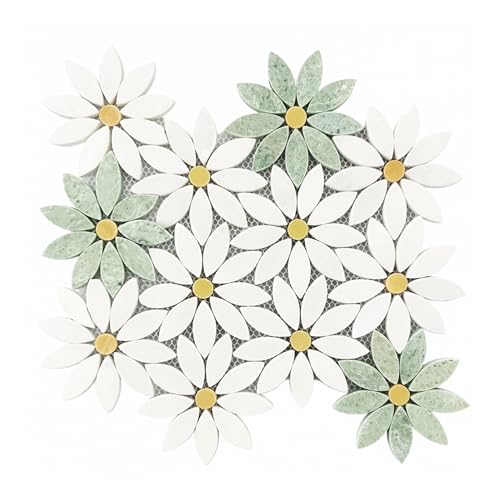
Authentic metal gives the clearest match for a metal-tile brief. Holydecot specifies authentic tin or metal and uses an embossed black finish, making it suitable for a traditional or rustic surface. Wall Wear specifies aluminum and pairs it with sage green and gold leaf artwork, so it is better suited to a decorative botanical statement than a plain metallic field. XUANINY also specifies aluminum, with a brushed-silver matted surface and rectangular 3-by-6-inch pieces.
Some products combine metal with another material. SODI MOSAIC uses brushed aluminum metal blocks with copper-bronze resin reliefs, while Hominter lists stainless steel and resin. These products can create pronounced texture and dimensional pattern, but they are not all-solid-metal tiles. AULIGET is closer to a metal-look category: its PVC composite laminate includes mixed-metal silver with coffee-and-brown wood-look sections. The FASÄDE samples and From Plain To Beautiful In Hours panels likewise use PVC to create a vintage-metal or ridged-metal appearance.
Coverage and geometry can matter as much as the finish. From Plain To Beautiful In Hours is specified to cover 40 square feet with ten 24-by-24-inch tiles. It is designed for standard 2-by-2-foot suspended ceiling grids, so it makes sense when that grid format matches the existing ceiling. Holydecot also uses large 24-by-24-inch panels, but its listing describes nail-up ceiling installation and adhesive installation for backsplashes.
For backsplash work, SODI MOSAIC and Hominter use approximately 12-inch sheets mounted on mesh. SODI states that five sheets cover about 5 square feet, and Hominter specifies a 5-square-foot size. Mesh can help keep a mosaic aligned and can be cut for layout adjustments. XUANINY instead supplies individual 3-by-6-inch rectangles, which may offer more control over a subway-style arrangement but requires placing more pieces.
Wall Wear uses 8-by-8-inch tiles and a 10-pack covering approximately 4.44 square feet. That package can fit a compact backsplash, fireplace surround, laundry nook, RV interior, or accent zone. AULIGET offers broad stated coverage among the peel-and-stick backsplash formats: 20 sheets cover about 9.6 square feet according to the listing. For any project, check the stated coverage and allow for cuts; AULIGET specifically recommends purchasing at least 10% extra.
Compare installation requirements
Peel-and-stick formats are the most direct DIY-oriented choices in this comparison. Wall Wear, XUANINY, and AULIGET all describe adhesive-backed installation. These systems still depend on preparation: XUANINY calls for a clean, flat surface free of dust and oil, while Wall Wear specifies clean, smooth walls. AULIGET says its sheets can be cut with a utility knife. Peel-and-stick does not eliminate layout planning, cleaning, or careful trimming.
Mesh-backed sheets use a different process. SODI MOSAIC says the mesh can be cut with a utility knife and recommends non-sanded grout to protect the brushed-metal and relief finish. Hominter also describes mesh mounting for alignment, trimming, and installation. These products may create a more traditional finished mosaic appearance, but they involve more installation materials and steps than no-grout adhesive pieces.
Ceiling products need close attention to substrate. Holydecot states that ceiling installation requires plywood, furring strips, or joists. From Plain To Beautiful In Hours is made for a suspended grid and can be laid in without adhesive. The FASÄDE products are glue-up panels over drywall or plaster, but each selected FASÄDE listing identifies the item as a 12-by-12-inch sample not intended for installation. Treat those three as pattern previews rather than coverage solutions.
Check moisture and heat claims carefully
The best metal decorative tiles for a kitchen or bathroom should be selected from documented use claims rather than appearance alone. SODI MOSAIC describes its panels as heat-resistant and moisture-proof and names behind-stove backsplashes and fireplace surrounds. Hominter lists kitchen, bathroom, wet-bar, laundry, and fireplace applications, although its supplied evidence does not provide the same specific heat wording as SODI.
Wall Wear describes water-resistant aluminum for everyday splashes and steam. XUANINY lists a waterproof, oil-proof surface and heat and moisture resistance for clean, flat indoor surfaces, but specifically warns against direct flame and submersion. That warning should control placement decisions. AULIGET describes its PVC composite sheets as waterproof and heat resistant for areas including kitchens, steamy bathrooms, RVs, and fireplaces.
For ceiling panels, From Plain To Beautiful In Hours documents moisture resistance, rust resistance, and a Class A fire rating. FASÄDE lists water and corrosion resistance and Class A fire rating for its vinyl panels. Those are technical listing claims, not a substitute for checking local installation requirements or the exact conditions around a heat source.
Choose the design direction
Use SODI MOSAIC or Hominter when relief, metallic texture, and warm bronze tones are priorities. Wall Wear is the most visibly decorative option for sage-green and gold botanical styling. XUANINY is more restrained, with brushed silver rectangles. Holydecot supplies an embossed rustic-black tin look, while the FASÄDE samples and From Plain To Beautiful In Hours focus on vintage or old-tin ceiling character.
AULIGET is appropriate when a mixed wood-and-metal look is part of the design rather than a distraction. Keep design claims tied to the supplied listings: these products are documented for particular wall, backsplash, fireplace, ceiling, or accent applications, not every possible surface.
Final recommendation
SODI MOSAIC Copper Bronze Relief Tile ranks first overall in this specification-based comparison under the published weighted criteria.
SODI MOSAIC Copper Bronze Relief Tile is the first overall specification-based choice among the best metal decorative tiles. It combines documented brushed aluminum, copper-bronze relief, approximately 5 square feet of sheet coverage, mesh-backed installation, and stated heat- and moisture-resistant suitability. Hominter is an alternative for a warm embossed mosaic with broad interior applications, while Holydecot is the better fit when authentic tin and large panels are more important than peel-and-stick convenience.
For a quick backsplash update, compare Wall Wear and XUANINY: the former emphasizes botanical artwork and removable aluminum, while the latter uses a simple brushed-silver subway proportion. AULIGET offers more stated coverage but is a PVC composite with mixed wood-look details. For ceilings, choose by mounting system first: From Plain To Beautiful In Hours fits suspended grids, Holydecot uses nail-up installation with a suitable substrate, and FASÄDE samples are for previewing patterns rather than completing a ceiling. These are the top metal decorative tiles only when their documented material and installation format match your project.
Frequently Asked Questions
SODI MOSAIC is the most specification-aligned starting point because its listing documents brushed aluminum blocks, copper-bronze relief, mesh mounting, approximately 5 square feet of coverage, and heat- and moisture-resistant use. Hominter is another suitable comparison for stainless-steel-and-resin sheets and multiple interior applications. XUANINY is better when you want individual brushed-silver rectangles and no grout.
Some are. Wall Wear and XUANINY specify aluminum, and Holydecot specifies authentic tin or metal. SODI MOSAIC and Hominter combine metal with resin. AULIGET, From Plain To Beautiful In Hours, and the FASÄDE samples use PVC or PVC composite materials to create metal-look finishes. Always check the material line when authentic metal is essential.
Which selected products use peel-and-stick installation?
Wall Wear, XUANINY, and AULIGET describe self-adhesive installation. Their listings still require suitable surface preparation, and XUANINY specifically limits use to clean, flat surfaces. Peel-and-stick mounting is not the same as direct placement on an unsuitable, dusty, oily, submerged, or flame-exposed surface.
Only follow the supplied product-specific claims. SODI MOSAIC describes heat-resistant use behind a stove and around fireplaces. AULIGET lists heat-resistant applications, while XUANINY warns against direct flame. Do not generalize one product’s specification to another, and verify installation requirements for the exact heat source.
Are the FASÄDE panels full tile packs?
The three selected FASÄDE products are listed as 12-by-12-inch samples. Their descriptions explain glue-up installation, cutting, and resistance properties, but their specifications state that the samples are not intended for installation. They are best used to compare Traditional, Regalia, or Portrait patterns before choosing a larger compatible panel system.