Buying Guide
Music researchers, librarians, and students often rely on the best music bibliographies indexes books to locate composers, repertoire, recordings, and analytical writing. This guide uses publisher specifications, stated scope, and indexing structure to compare ten such reference works without relying on marketplace sentiment.
What Counts as a Music Bibliography or Index
A true music bibliography or index organizes musical knowledge into lists, entries, or annotated records. The best music bibliographies indexes books in this guide include annotated bibliographies, bio-bibliographies, index-and-bibliography series volumes, and repertoire guides. Books like Sourcebook for Research in Music, Third Edition span research methods and reference tools, while single-composer volumes such as Albert Roussel: A Bio-Bibliography and Gunther Schuller: A Bio-Bibliography catalog works and writings around one figure.
Match Scope to Your Research Need
Before choosing a volume, identify whether your project needs broad coverage or a narrow subject focus. A general sourcebook such as Sourcebook for Research in Music, Third Edition is suited to early-stage research that benefits from wide bibliographic orientation. Specialized works like Choral Music by African-American Composers: A Selected, Annotated Bibliography, Music for Silent Film: A Guide to North American Resources, and Analyses of Nineteenth-Century Music, 1940-1975 offer deeper indexing within a defined topic, period, or repertory.
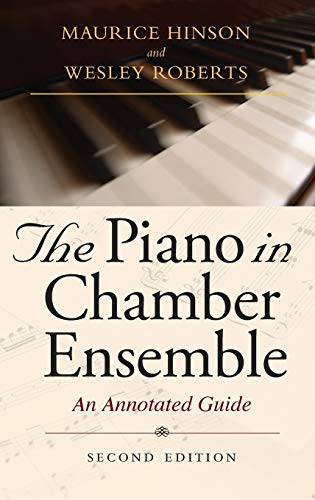
For instrumental repertoire planning, annotated guides such as The Piano in Chamber Ensemble, Second Edition: An Annotated Guide and Piano Duet Repertoire, Second Edition provide composer, title, and edition detail that supports recital and teaching decisions. The Guide to Classic Recorded Jazz supports locating specific recorded performances rather than printed scores.
Evaluate Indexing and Entry Structure
Indexing organization is a decisive factor for a reference book. Bio-bibliography volumes such as Albert Roussel: A Bio-Bibliography, Gunther Schuller: A Bio-Bibliography, and William Grant Still: A Bio-Bibliography combine biography with structured lists of works and writings, allowing readers to move between narrative and bibliographic lookup. Series titles in the MLA Index and Bibliography Series, including Music for Silent Film: A Guide to North American Resources and Analyses of Nineteenth-Century Music, 1940-1975, use established indexing conventions trusted in music libraries.
When comparing annotated bibliographies, look at whether entries include descriptors, edition notes, or commentary. The Piano in Chamber Ensemble, Second Edition and Piano Duet Repertoire, Second Edition follow this annotated pattern within the Indiana Repertoire Guides tradition, while Choral Music by African-American Composers uses selected, annotated entries to clarify each listed choral work.
Reference books see repeated handling, so binding and physical dimensions matter. Hardcover volumes in this list, including Choral Music by African-American Composers, Albert Roussel: A Bio-Bibliography, Gunther Schuller: A Bio-Bibliography, William Grant Still: A Bio-Bibliography, The Piano in Chamber Ensemble, Second Edition, and Piano Duet Repertoire, Second Edition, are built to withstand circulation. Paperback titles such as Sourcebook for Research in Music, Third Edition, Music for Silent Film: A Guide to North American Resources, and The Guide to Classic Recorded Jazz are lighter and easier to carry but may show wear sooner under reference conditions.
Thickness and weight also affect shelf placement. Choose based on whether you need portability or in-library durability.
Use Publisher and Series Standing as a Signal
Established imprints such as Indiana University Press, Greenwood, Scarecrow Press, University of Iowa Press, and the Music Library Association contribute recognizable editorial standards to reference publishing. Series like the Bio-Bibliographies in Music line, the MLA Index and Bibliography Series, and the Indiana Repertoire Guides indicate ongoing editorial oversight. Volumes appearing in these lines tend to follow consistent bibliographic and indexing formats, which helps researchers move between related titles.
Balance Broad and Specialized Holdings
A well-rounded music reference shelf often pairs one broad title with several specialized ones. Pairing Sourcebook for Research in Music, Third Edition with two or three targeted volumes, such as William Grant Still: A Bio-Bibliography and The Piano in Chamber Ensemble, Second Edition, gives both a wide entry point and detailed subject lookup. Researchers tracing a specific area, such as nineteenth-century analysis or silent-film music, may instead build depth with MLA Index and Bibliography volumes.
Final recommendation
Sourcebook for Research in Music, Third Edition ranks first overall in this specification-based comparison under the published weighted criteria.
For a single specification-based choice, Sourcebook for Research in Music, Third Edition is the highest-scoring title in this comparison and serves as the most specification-aligned general-purpose starting point among the best music bibliographies indexes books. Researchers seeking focused depth should add William Grant Still: A Bio-Bibliography or The Piano in Chamber Ensemble, Second Edition, while those building top music bibliographies indexes books around film and period analysis can rely on Music for Silent Film: A Guide to North American Resources and Analyses of Nineteenth-Century Music, 1940-1975. Combining a broad sourcebook with one annotated subject guide and one bio-bibliography creates a balanced core reference collection for serious music study.
Frequently Asked Questions
Among the best music bibliographies indexes books, what is the difference between a music bibliography and a music index?
A music bibliography lists sources about music, often with annotations, while a music index provides structured pointers into broader literature. Among the best music bibliographies indexes books, Sourcebook for Research in Music, Third Edition blends both approaches, while volumes in the MLA Index and Bibliography Series such as Music for Silent Film: A Guide to North American Resources lean toward index-style organization.
Which book is best for early music research projects?
Sourcebook for Research in Music, Third Edition is the most specification-aligned broad starting point because it covers research methods, tools, and major reference categories in one paperback. Pair it with a focused title like The Piano in Chamber Ensemble, Second Edition for instrumental work or William Grant Still: A Bio-Bibliography for composer-specific research.
How do annotated guides differ from plain bibliographies?
Annotated guides include short descriptions or commentary with each entry, while plain bibliographies offer only citations. The Piano in Chamber Ensemble, Second Edition, Piano Duet Repertoire, Second Edition, and Choral Music by African-American Composers are all annotated, helping readers judge suitability before retrieving a score.
Are composer bio-bibliographies still useful for modern research?
Yes, bio-bibliographies remain useful for chronology, works lists, and locating early criticism. Titles such as Albert Roussel: A Bio-Bibliography, Gunther Schuller: A Bio-Bibliography, and William Grant Still: A Bio-Bibliography provide structured reference points that complement newer digital databases.
Should I prefer hardcover or paperback for reference use?
Hardcover bindings generally last longer under repeated handling, making them well suited for reference shelves. Paperback titles such as Sourcebook for Research in Music, Third Edition and The Guide to Classic Recorded Jazz are lighter and easier to carry, which may suit a personal study desk instead.