Buying Guide
Choosing among the best natural green tea supplements starts with understanding how each product is built, standardized, and packaged. The ten products highlighted above span capsule, liquid phyto-cap, and liquid drop formats, with standardization percentages that range from simple leaf content to triple-disclosed EGCG, catechin, and polyphenol minimums. Use the sections below to narrow your shortlist based on the technical specifications that matter most for your daily routine.
Standardization: Why EGCG, Catechins, and Polyphenols Matter
Standardized extracts guarantee a consistent level of the compounds that make green tea nutritionally interesting. The Zazzee USDA Organic and Zazzee Extra Strength listings declare minimums of 50 percent EGCG, 80 percent catechins, and 98 percent polyphenols on the same label, which is unusual across this category. NOW Foods EGCg Green Tea Extract specifies 200 mg EGCg and 80 percent catechins per capsule, while Life Extension Decaffeinated Mega Green Tea Extract frames its potency as 3x more polyphenols per capsule than regular green tea. When standardization numbers appear together, comparisons become much more direct.
Dosage form changes how a green tea supplement fits into a routine. Capsules dominate this set, with bottle counts from 60 to 300; Zazzee’s 20:1 extract ratio suggests a concentrated powder inside the capsule, while Gaia Herbs uses a liquid phyto-cap style meant to release contents faster than a standard dry powder. Liquid formats such as Drops of Nature’s 10:1 extract and Horbaach’s alcohol-free tincture offer dropper-based dosing and may suit buyers who dislike swallowing capsules. Per-capsule strengths vary too, from aSquared Nutrition’s 500 mg to Nature’s Nutrition’s 1000 mg-per-serving blend, so consider how many capsules per day feel sustainable.
Purity, Certifications, and Allergen Profile
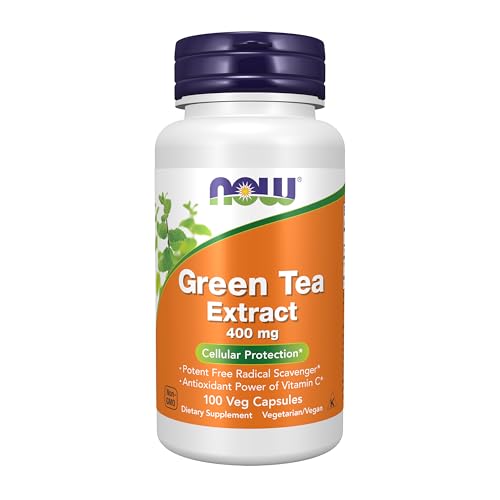
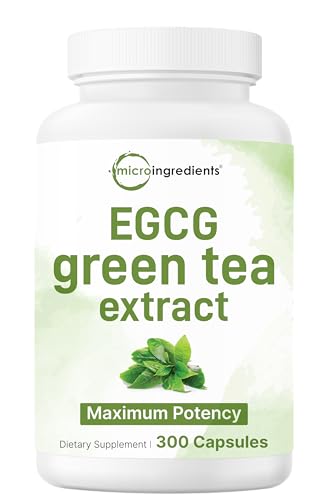
Natural-focused buyers frequently filter by labels. NOW Foods EGCg and NOW Foods Green Tea with Vitamin C carry Non-GMO Project Verification, vegan certification, and GMP-assured manufacturing, while Life Extension adds gluten-free and vegetarian alongside Certificate of Analysis availability. Micro Ingredients lists a notably broad allergen-free profile covering wheat, soy, dairy, gluten, peanuts, and tree nuts, and Zazzee’s extra strength capsule explicitly excludes gluten, dairy, soy, and artificial additives. Zazzee’s organic variant additionally carries USDA organic certification, a strong signal for buyers avoiding synthetic inputs.
Bioactive Alignment with Wellness Goals
Each product labels different functional angles on the same plant compound. Antioxidant and free radical scavenging language appears across NOW Foods EGCg, NOW Foods Green Tea with Vitamin C, Life Extension, and Zazzee. Energy and focus are emphasized by Nature’s Nutrition’s caffeine-and-L-theanine framing, aSquared Nutrition’s natural caffeine messaging, and Micro Ingredients’ description of up to 22 mg naturally occurring caffeine per serving. Heart, brain, and cellular language clusters around Life Extension and Gaia Herbs, with Gaia drawing on its traditional Chinese herbal positioning for healthy energy levels.
Supply per bottle ranges from Micro Ingredients’ 300-capsule bottle to NOW Foods EGCg’s 90-count container. Zazzee Extra Strength at 150 capsules and aSquared Nutrition at 180 capsules land in the middle, while Gaia Herbs’ 60 phyto-caps serve a 30-day routine. Liquid formats count differently: both Drops of Nature and Horbaach ship in 2 fl oz bottles, so daily serving size and milliliter count drive actual supply rather than capsule count. Align bottle size with how consistently you want to reorder.
Look beyond percentage claims to see how a brand supports them. aSquared Nutrition references third-party testing in an ISO 17025 certified lab, Micro Ingredients mentions third-party lab tests for each batch, Life Extension offers Certificates of Analysis for its products, and NOW Foods publishes GMP-assured quality controls across both capsule listings. Transparency isn’t limited to certifications either, as the title-level disclosure of EGCG, catechin, and polyphenol percentages makes it easier to weigh product against product without contacting the manufacturer.
Final Recommendation
Zazzee USDA Organic Green Tea 20:1 Extract, 120 Vegan Capsules ranks first overall in this specification-based comparison under the published weighted criteria.
Taking the specification data together, NOW Foods EGCg Green Tea Extract 400 mg stands as the first overall specification-based choice for the best natural green tea supplements thanks to its clear EGCg and catechin standardization, multiple certifications, and vegan capsule format. For buyers prioritizing organic inputs, Zazzee USDA Organic Green Tea 20:1 Extract offers triple-standardized potency at one of the highest disclosed catechins profiles in this set. Those seeking caffeine-free options will find Life Extension Decaffeinated Mega Green Tea Extract well aligned with its decaffeinated extract and polyphenol comparison claim, while aSquared Nutrition Green Tea Extract suits capsule-count seekers with its ISO-tested label. Liquid-preference buyers can compare Drops of Nature Green Tea 10:1 Extract and Horbaach Green Tea Extract drops for tincture-style routines, and Gaia Herbs Green Tea covers those who want a phyto-cap format. Together these top natural green tea supplements cover the broadest range of label-driven needs in this category, and each one lets you match standardized potency to a delivery form that fits your day.
Frequently Asked Questions
What standardization should I look for in the best natural green tea supplements?
Look for products that disclose at least one of the following: an EGCG percentage, a total catechin percentage, or a polyphenol percentage. The Zazzee listings, NOW Foods EGCg, and aSquared Nutrition all surface these numbers on the label, which makes it easier to compare potency across brands.
Are decaffeinated green tea supplements as effective as caffeinated ones?
Decaffeinated versions such as Life Extension Decaffeinated Mega Green Tea Extract are formulated to retain polyphenols while removing caffeine, with the brand claiming 3x more polyphenols per capsule than green tea alone. The exact catechin profile can differ from caffeinated versions, so reviewing the label is important if caffeine sensitivity is a priority.
Capsules dominate this list in bottle count and convenience, while Gaia Herbs’ liquid phyto-caps and drops like Drops of Nature or Horbaach target faster absorption and capsule-free routines. Your choice depends on whether you prefer measured capsule servings, dropper-based dosing, or a flavored liquid format.
How important are third-party testing and certifications?
aSquared Nutrition references ISO 17025 third-party testing, Micro Ingredients cites third-party lab tests per batch, and Life Extension provides Certificate of Analysis access. Certifications like Non-GMO Project Verification on NOW Foods EGCg and USDA Organic on Zazzee’s organic variant add further external verification.
How do I compare dosage strength across different products?
Compare three metrics together: milligrams per capsule, the extract ratio (such as 20:1 or 10:1), and any disclosed catechin percentages. A 500 mg capsule with explicit polyphenol and EGCG percentages like aSquared Nutrition sits differently in a routine than a 1000 mg-per-serving blend like Nature’s Nutrition, even when both are marketed for similar wellness goals.