Buying Guide
Shopping for the best organic almonds starts with understanding how certifications, processing, and packaging shape your everyday use. The ten options compared here cover raw, roasted, sprouted, and regenerative styles so you can match the almond to your kitchen routine rather than defaulting to the most familiar bag on the shelf.
Understand the Organic and Sustainability Certifications
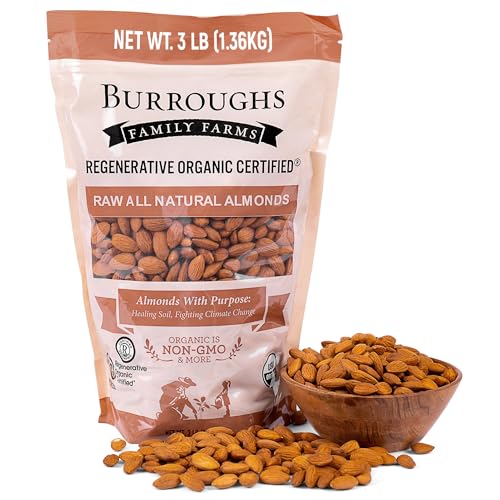
Every product in this guide carries at least USDA Organic status, which mandates non-GMO practices and restricts synthetic pesticides. Some go further. Burroughs Family Farms holds Regenerative Organic Certified status, which adds requirements for soil health, biodiversity, water management, lower carbon emissions, and animal welfare on top of organic baseline. If your priority is the deepest sustainability story, those ROC almonds stand apart from standard organic almonds in this category.
Look at how certifications are stated on the package. When a brand names its certifying body, such as CCOF for Braga, that adds another layer of traceability.
Match Almond Origin and Variety to Your Preferences
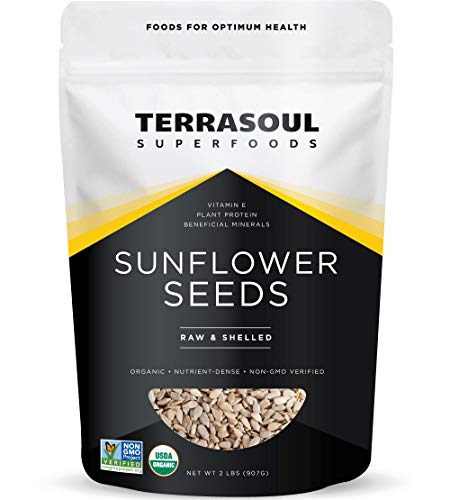
Most of the best organic almonds in this comparison are California-grown, which is the dominant US almond region and a reliable choice for familiar flavor. Terrasoul Superfoods instead sources Valencia variety Spanish almonds, which are smaller, sweeter, and marketed as truly raw and unpasteurized. If you make almond milk or follow a raw food lifestyle, that European option broadens your choices beyond domestic supply.
For shoppers who want a named farm story, Burroughs Family Farms explicitly identifies its California family farm as the world’s first Regenerative Organic Certified almond operation. When a brand does not state variety or farm, you are relying on a regional claim such as 100% California almonds, which is still meaningful but less specific.
Choose the Right Processing Style
Processing style drives both flavor and nutrition. Dry-roasted options such as 365 by Whole Foods Market Dry Roasted Salted Almonds and Terrasoul Superfoods Dry-Roasted Lightly Salted Almonds add crunch and flavor without oil frying, which suits snackers who want ready-to-eat organic almonds with minimal processing.
Truly raw unpasteurized almonds, like Terrasoul Superfoods Spanish almonds, are a specific subset of raw that skips the steam pasteurization required for most US-grown almonds. If digestibility matters to you, sprouted or truly raw styles are worth prioritizing among the top organic almonds.
Consider Dietary Inclusivity and Allergen Statements
Most organic almonds in this guide naturally avoid common allergens, but look closely at cross-contamination language.
Weigh Packaging Size and Freshness Features
Pack size shapes how often you restock and how well the almonds stay fresh. Among these, only a subset such as 365 by Whole Foods Market Dry Roasted Salted Almonds and Terrasoul Superfoods Dry-Roasted Lightly Salted Almonds clearly highlight a resealable pouch in their listed features.
If you buy in bulk, plan to decant into airtight containers or look for bags that explicitly mention resealability. Even organic almonds lose crunch over weeks of oxygen exposure, so packaging design matters as much as pack size for everyday snacking.
Match the Almond to Your Kitchen Routine
Think about how you will actually use the almonds before choosing. For everyday raw snacking and smoothies, the 365 by Whole Foods Market Organic Raw Almonds 10 oz or the larger 20 oz value pack both work well. For office snacking and lunchboxes, the dry-roasted salted or unsalted 10 oz bags from 365 by Whole Foods Market bring ready-to-eat convenience with resealable freshness. For homemade almond milk, the larger raw packs from 365 by Whole Foods Market, Burroughs Family Farms, and Yupik give you enough volume for repeat batches.
For baking and recipe work, raw California almonds from Yupik or 365 by Whole Foods Market provide a neutral base, while roasted options add deeper flavor to granola and salads. For sustainability-driven kitchens, the Burroughs Family Farms regenerative almonds give you a story as strong as their nutrition profile.
Final recommendation
Burroughs Family Farms Regenerative Organic Raw Almonds, 3 lb ranks first overall in this specification-based comparison under the published weighted criteria.
The final choice among the best organic almonds depends on the documented features that match your intended use.
Among the top organic almonds in this comparison, Burroughs Family Farms Regenerative Organic Raw Almonds is the most specification-aligned specification-based first overall choice thanks to its ROC certification, named California family farm, and large 3 lb raw format that suits both snacking and recipe use. The 365 by Whole Foods Market Organic Raw Almonds 20 oz stands out as a versatile runner-up for shoppers who prefer plain USDA Organic California almonds at a familiar size, and 365 by Whole Foods Market Organic Dry Roasted Salted Almonds 10 oz is the best match if you want ready-to-eat flavor in a resealable pack. Together these three define what most people mean by organic almonds in everyday US kitchens.
Frequently Asked Questions
Among the best organic almonds, what makes an almond truly organic?
An organic almond must be grown without synthetic pesticides, herbicides, or GMOs and be certified under a recognized organic program such as USDA Organic. Some products in this guide, like Burroughs Family Farms almonds, go further with Regenerative Organic Certified status, which adds soil health, biodiversity, and worker welfare requirements on top of standard organic rules.
Are raw organic almonds really raw?
Most US-grown raw almonds are steam pasteurized to comply with food safety rules, even when labeled raw. Truly raw and unpasteurized almonds, like Terrasoul Superfoods Spanish Valencia almonds, come from outside the US pasteurization requirement.
Which organic almonds are best for homemade almond milk?
Large raw packs work best because you can blend them in high volume and strain easily. The 365 by Whole Foods Market Organic Raw Almonds 20 oz, Burroughs Family Farms Regenerative Organic Raw Almonds 3 lb, and Yupik Organic California Almonds 2.2 lb all give you enough almonds for repeat batches without frequent repurchasing.
Should I choose roasted or raw organic almonds?
Raw almonds are more flexible for soaking, sprouting, and homemade nut milk, and they retain their natural enzyme profile. Dry-roasted almonds, like those from 365 by Whole Foods Market and Terrasoul Superfoods, are better when you want ready-to-eat crunch for snacking, salads, or trail mixes without extra preparation.
How should I store organic almonds to keep them fresh?
For larger packs without resealable features, decanting into an airtight container extends crunch and limits exposure to light and oxygen, especially important for raw and sprouted styles.