Buying Guide
Choosing among the best low-carb protein drinks starts with the nutrition line rather than the flavor name. The listings in this comparison cover clear whey beverages, ultrafiltered milk shakes, dairy-protein drinks, and caffeinated coffee shakes. Those formats can feel very different, so the right choice depends on how much protein you want, how strictly you track carbohydrates, and whether you need additional fiber, electrolytes, or micronutrients.
Check the carbohydrate disclosure
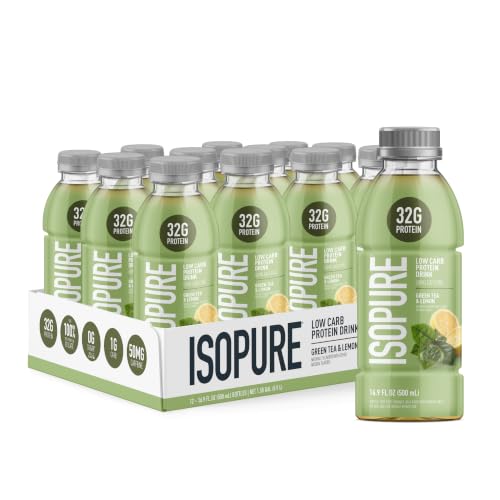
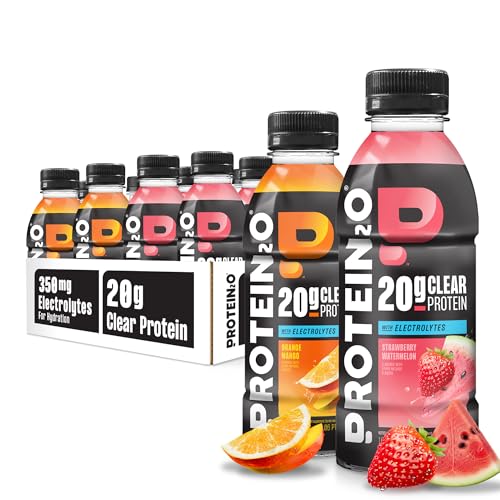
A product labeled low-carb does not necessarily provide the same level of detail as one with a stated net-carb figure. Isopure is the most explicit option in the group, listing zero sugar, zero carbs, and zero fat. Protein2o lists zero sugar and keto positioning, while Slate lists 2g net carbs, Quest lists 4g net carbs, and Atkins Strong lists 2g net carbs. ICONIC lists 0g sugar, 4g fiber, and 4g net carbs.
When a listing supplies only a no-added-sugar claim, treat that as different from a zero-carb statement. Dymatize, Ensure Max Protein, and Premier Protein Coffeehouse all document no added sugar, but the supplied evidence does not state their total or net carbohydrates. That does not make them irrelevant to a low-carb comparison; it simply means the carbohydrate picture is less complete. If precise tracking matters, prioritize products with an explicit carb or net-carb number and check the package label before use.
Match protein amount to your serving preference
Protein amounts range from 20g in Protein2o and ICONIC to 42g in Slate and 45g in Quest. A higher number may be useful when one bottle is intended to provide a larger protein serving, but it can also make a shake feel more substantial. Isopure provides 32g in a clear format, while Atkins Strong, Nurri, Dymatize, Ensure Max Protein, and Premier Protein Coffeehouse each list 30g.
Clear drinks are a useful design type when you want fruit flavor and a lighter texture. Isopure and Protein2o both use whey-based clear formats. Creamy options use milk or dairy proteins and include Slate, Quest, Nurri, Ensure Max Protein, Atkins Strong, and Premier Protein Coffeehouse. ICONIC uses grass-fed whey and casein. The choice is primarily about format preference and the nutritional details you want from the serving.
Consider dietary compatibility
Dietary claims differ substantially across the category. Isopure and ICONIC are listed as lactose-free and gluten-free, and ICONIC also lists soy-free, Non-GMO Project Verified, and kosher attributes. Slate and Nurri are lactose-free milk-based options. Dymatize is listed as gluten-free, while Protein2o is listed as gluten-free and keto. These claims can help narrow the selection, but they should not replace checking the current package label for ingredient or allergen information.
The source protein also matters to some shoppers. Isopure and Protein2o use whey isolate in their descriptions. ICONIC uses grass-fed whey and casein, while Slate and Nurri emphasize ultrafiltered milk. These are documented formulation distinctions, not a ranking of protein quality beyond the supplied information.
Several selected drinks add features beyond protein. Protein2o includes electrolytes, making it distinct from the creamy shakes. Atkins Strong lists 7g of prebiotic fiber and 23 vitamins and minerals. Ensure Max Protein lists 4g of fiber, a prebiotic, and 25 vitamins and minerals. Dymatize lists 6.2g of BCAAs and 24 vitamins and minerals. ICONIC lists 4g of fiber, while Nurri lists 10 vitamins and minerals.
These additions may matter when you want a more involved nutrition profile, but they also make comparison less direct. A protein-only formula and a shake with fiber or micronutrients serve different selection priorities. Read the full nutrition panel if you are monitoring fiber, sweeteners, caffeine, or total carbohydrates alongside protein.
All ten selections are ready to drink, so none requires powder, a shaker, or mixing. Bottle and can sizes range from 11 fl oz to 16.9 fl oz. Isopure and Protein2o are 16.9 fl oz clear beverages; Slate is listed in 15 fl oz cans; Quest is 14 fl oz; and several milk shakes use 11 or 11.5 fl oz servings.
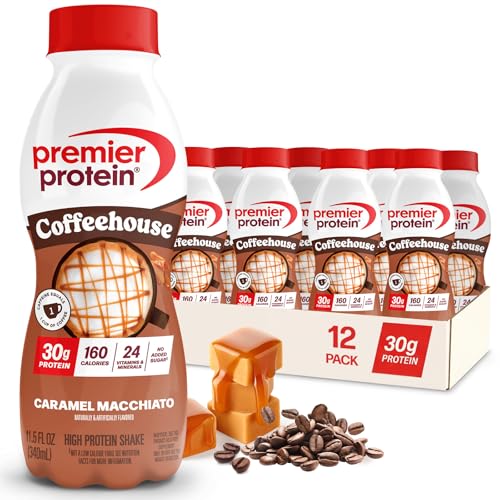
The serving size changes how the protein amount feels in the context of the drink. A 30g serving in an 11 fl oz shake is more concentrated by volume than 30g in a larger bottle, while a clear 16.9 fl oz beverage may be easier to treat as a refreshing drink. Caffeinated options such as Premier Protein Coffeehouse should be considered separately from non-caffeinated formulas because the listing states caffeine equivalent to one cup of coffee.
Compare the best low-carb protein drinks by priority
For the most explicit carb profile, start with Isopure, Protein2o, Slate, Quest, ICONIC, or Atkins Strong. For the most protein per bottle, Quest and Slate lead the selected group. For fiber and micronutrients, Atkins Strong, Ensure Max Protein, Dymatize, and ICONIC provide the clearest listed additions. For a coffee-style drink, Premier Protein Coffeehouse is the selected option with a stated caffeine amount. This approach makes the top low-carb protein drinks easier to compare without treating every format as interchangeable.
Final Recommendation
Isopure Zero Carb Clear Protein Drink ranks first overall in this specification-based comparison under the published weighted criteria.
The final choice among the best low-carb protein drinks depends on the documented features that match your intended use.
Isopure Zero Carb Clear Protein Drink is the highest-scoring returned product and the first overall specification-based choice. Its explicit zero-carb, zero-sugar, and zero-fat listing, 32g whey isolate serving, lactose-free formula, and clear ready-to-drink format give it the most complete match to the category brief.
Choose Protein2o if electrolytes and a fruit-water texture matter more than maximum protein. Choose Slate or Quest if your priority is the largest protein serving in a creamy shake. Atkins Strong and Ensure Max Protein are better suited to shoppers who want fiber and a broader micronutrient profile. ICONIC is a useful fit for lactose-free dairy protein with multiple dietary claims, while Nurri offers lactose-free ultrafiltered milk protein and recyclable aluminum packaging.
Dymatize and Premier Protein Coffeehouse remain sensible choices when no-added-sugar labeling, vitamins, and a portable shake matter, but their supplied listings do not state total or net carbs. For that reason, shoppers who need precise carbohydrate tracking should verify the package panel before choosing among the top low-carb protein drinks. The final decision should reflect your preferred protein amount, drink texture, dietary restrictions, and need for extras such as fiber, electrolytes, caffeine, or vitamins.
Frequently Asked Questions
What are the best low-carb protein drinks for a zero-carb target?
Isopure is the clearest match because its supplied description explicitly lists zero carbs, zero sugar, and zero fat, along with 32g of whey isolate. Protein2o also lists zero sugar and keto positioning, but its evidence does not state zero total carbohydrates. Always confirm the current label if a strict carb limit is medically or nutritionally important.
Are clear protein drinks different from creamy shakes?
Yes. Isopure and Protein2o are described as clear, fruit-flavored whey beverages rather than heavy, milky shakes. Slate, Quest, Nurri, Atkins Strong, Ensure Max Protein, ICONIC, Dymatize, and Premier Protein Coffeehouse are shake-style or dairy-protein formats. The distinction is mainly texture, flavor profile, and serving experience; the nutrition panel remains the key comparison point.
Which selected drinks provide at least 30g of protein?
Isopure lists 32g, Slate lists 42g, Quest lists 45g, and Atkins Strong, Nurri, Dymatize, Ensure Max Protein, and Premier Protein Coffeehouse each list 30g. Protein2o and ICONIC list 20g. These amounts come from the supplied product descriptions and may be expressed per bottle or serving as stated in each listing.
Which options include fiber or electrolytes?
Protein2o lists electrolytes. ICONIC lists 4g of fiber, Atkins Strong lists 7g of prebiotic fiber, and Ensure Max Protein lists 4g of fiber plus a prebiotic. These features distinguish them from products whose supplied descriptions focus primarily on protein, sugar, carbohydrate information, or flavor.
Does no added sugar mean a drink has zero carbohydrates?
No. No-added-sugar labeling is not the same as a zero-carb claim. Dymatize and Premier Protein Coffeehouse list no added sugar without stating total or net carbs in the supplied evidence. Isopure explicitly lists zero carbs, while Slate, Quest, ICONIC, and Atkins Strong provide specific net-carb figures. Check the package nutrition panel for the complete carbohydrate information.