Buying Guide
When you sort through the best organic seasoned salts, the differences usually come down to the salt base, the depth of the herbal blend, and how transparent the brand is about sourcing. A seasoned salt is, at its core, salt with added flavor, so the starting mineral and the supporting herbs matter as much as any certification.
Decide What Kind of Salt You Want at the Base
The salt itself shapes flavor more than most cooks expect. A. Vogel Herbamare starts with Camargue sea salt, Redmond Organic Seasoning uses unrefined Real Salt described as an ancient sea salt with sixty-plus trace minerals, and several other brands rely on standard salt without naming the source. If you care about mineral content and origin, the top organic seasoned salts that document a named regional or mineral-rich salt stand out immediately. If you just want a clean seasoning salt, a less-detailed source can still work, but the lack of disclosure is a small trade-off.
Match the Blend to the Way You Cook
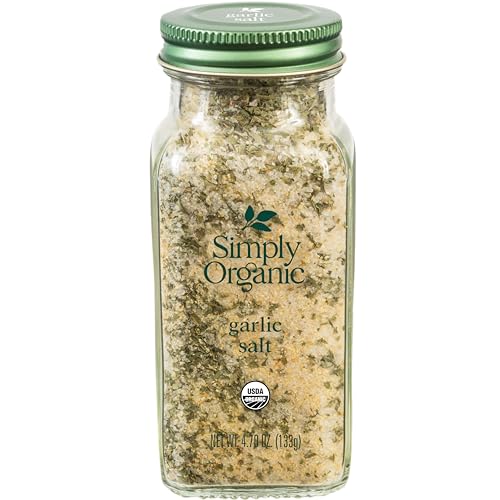
Blend complexity should track your kitchen habits. All-purpose options such as Jane’s Krazy Organic Mixed-Up Salt, Simply Organic All-Seasons Salt, and Watkins Organic Seasoning with Salt work across proteins, vegetables, and snacks. Single-flavor jars like Simply Organic Garlic Salt or Watkins Organic Garlic Salt suit cooks who want a clear garlic note and are willing to keep a wider spice shelf. Trio blends such as Kinder’s Organic The Blend focus on salt, cracked pepper, and crunchy garlic and work as a single seasoning step for grill, stovetop, or oven cooking.
Check Certifications Beyond Organic
A seasoned salt may be organic without being suitable for every diet. Several options in this comparison add Non-GMO Project verification, gluten-free certification, or kosher status. Jane’s Krazy adds a documented lower-sodium profile, Simply Organic Garlic Salt documents steam sterilization without fumigants or irradiation, and Watkins jars carry multiple certifications. The organic seasoned salts in this guide tend to combine organic certification with at least one secondary label, which can save shoppers from reading every fine-print ingredient list.
Format affects everyday use. Watkins packs its organic seasonings in a custom recyclable bottle, and Simply Organic publishes supplier audit details for its garlic. If you cook rarely, a small jar keeps ingredients fresh; if you cook daily, bulk formats reduce how often you reorder.
Balance Sodium Control and Flavor
If sodium intake is a concern, two of the picks offer specific positioning. Jane’s Krazy Organic Mixed-Up Salt Blend is described as approximately fifty percent less sodium per serving than table salt, and Watkins All Purpose Organic Seasoning is salt-free by design for cooks who prefer to add salt separately. For traditional seasoned salt flavor with organic credentials, the other options deliver a standard salt-led profile.
Look at Sourcing and Supply Transparency
The most specification-aligned organic sourcing stories are the ones a brand actually documents. Simply Organic Garlic Salt states that it performs its own multi-day audits on Chinese partners and uses steam sterilization rather than fumigants or irradiation. A. Vogel Herbamare names the Camargue region for its sea salt and lists twelve specific organic herbs and vegetables, including kelp as an iodine source. Sourcing transparency is a quiet but meaningful way to compare seasoned salts with otherwise similar labels.
Final recommendation
A. Vogel Herbamare Organic Seasoned Sea Salt ranks first overall in this specification-based comparison under the published weighted criteria.
The final choice among the best organic seasoned salts depends on the documented features that match your intended use.
After weighing salt base, blend complexity, certifications, format, and sourcing, A. Vogel Herbamare Organic Seasoned Sea Salt stands out as the first overall specification-based choice among the top organic seasoned salts in this comparison. It pairs a named regional sea salt with twelve organic herbs and vegetables, adds kelp as a natural iodine source, and carries both USDA Organic and Non-GMO Project verification. For a multi-pack everyday option, the three-pack format of Watkins Organic Seasonings with Salt offers the same certifications in a household-friendly bundle, and for cooks managing sodium, Jane’s Krazy Organic Mixed-Up Salt Blend delivers a USDA Organic blend with a documented lower-sodium profile. Together these three picks cover the most specification-aligned organic seasoning stories for different kitchen styles.
Frequently Asked Questions
What makes an organic seasoned salt different from a regular seasoned salt?
An organic seasoned salt is built from salt and herbs or spices that are certified organic, meaning the agricultural ingredients meet defined organic standards. Conventional seasoned salts may use the same flavor profile but rely on non-organic herbs and spices, and may include additives like anti-caking agents. In this comparison, every pick carries an organic certification or a closely related clean-ingredient position, and several add Non-GMO, kosher, or gluten-free labels on top of that.
Which of the best organic seasoned salts has the most complex ingredient list?
A. Vogel Herbamare Organic Seasoned Sea Salt lists twelve organic herbs and vegetables, including celery, leeks, cress, onions, chives, parsley, lovage, garlic, basil, marjoram, rosemary, thyme, and kelp. That gives it the longest specified ingredient list among the options in this guide and makes it the most layered blend on paper.
Are any of these seasoned salts lower in sodium?
Yes. Jane’s Krazy Organic Mixed-Up Salt Blend is described as approximately fifty percent less sodium per serving than regular table salt, while still being USDA Organic and MSG free. Watkins All Purpose Organic Seasoning is a separate option that is salt-free by design, which lets the cook control sodium at the table. These two picks are the most sodium-aware choices in the category.
Do any of these seasoned salts work for specific diets?
Several do. Simply Organic Garlic Salt is suitable for vegan diets and is preservative free. Many of the Watkins jars are gluten free and kosher alongside their organic status. Kinder’s Organic The Blend is described as keto friendly in addition to being USDA Organic and Non-GMO. Reading the secondary labels is usually enough to match a seasoned salt to a specific dietary need.
How should I store organic seasoned salts to keep them fresh?
The recyclable glass jars from Watkins and the small Simply Organic jars are designed to limit light and air exposure, which is the main concern for seasoned salt blends that include dried herbs. Keeping the jar sealed, away from the stove, and in a cool, dry pantry is usually enough. Bulk formats like the 32 oz Redmond Organic Seasoning may benefit from decanting into smaller jars so the main container is opened less often.