Buying Guide
Choosing the best organic sea salts means looking past marketing language and focusing on four practical layers: how the salt is harvested, how it is processed, what minerals it retains, and how the crystal size fits your cooking style. Because the best organic sea salts vary widely in grain and format, the criteria below help frame a side-by-side comparison of the top organic sea salts on the market.
Harvesting and Origin
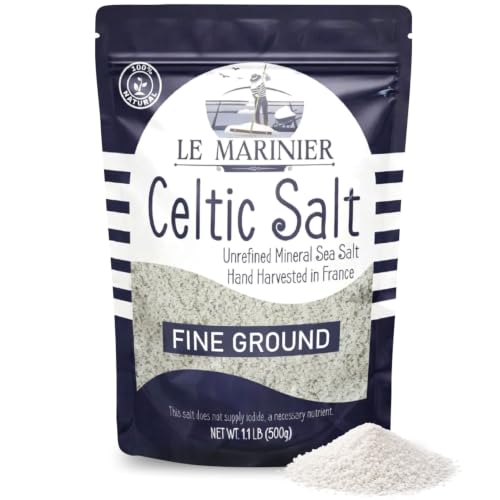
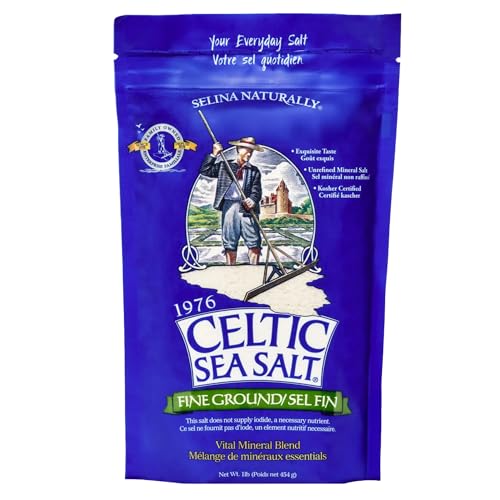
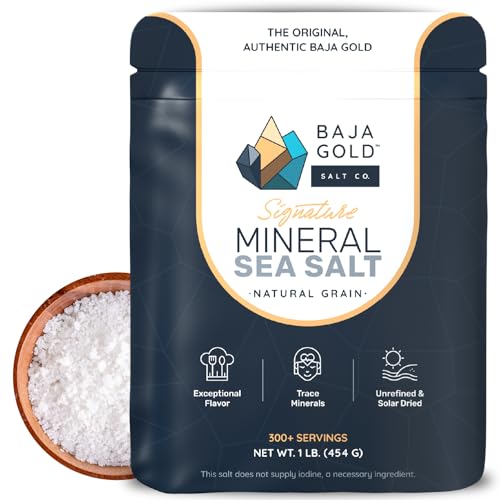
Sourcing is the foundation of any organic sea salt comparison. Coastal salts such as Le Marinier Celtic Salt and Celtic Sea Salt are drawn from tidal salt beds where sun and wind evaporate seawater, concentrating minerals in the remaining crystals. Ancient seabed salts like Redmond Real Salt come from a protected geological deposit in Utah that has been shielded from modern pollutants by layers of volcanic ash. Baja Gold Salt is naturally harvested in Mexico, while Maldon Sea Salt Flakes are hand-harvested in England using traditional evaporation methods. A documented origin with traditional harvesting methods signals that the salt retains its natural character rather than being heavily industrialized.
Purity and Processing
Processing methods shape what ends up in the jar. The best organic sea salts in this guide are described as unrefined, additive-free, and free from anti-caking agents. Redmond Real Salt and the Le Marinier Celtic Salt Organic line both emphasize that no chemicals are added during evaporation. Celtic Sea Salt documents third-party lab testing under GMP certification, adding a verifiable layer to its purity claims. A. Vogel Herbamare blends sea salt with organic herbs and vegetables while maintaining USDA Organic certification, which is a different but still regulated processing path. When purity is documented rather than simply claimed, the ingredient list is more likely to match the label.
Mineral Composition
Mineral content is a common talking point for organic salts, though the depth of documentation varies. Le Marinier Celtic Salt Organic of all three grind levels lists 82+ vital minerals, including magnesium, calcium, potassium, and iron. Celtic Sea Salt Light Grey Coarse references over 70 trace minerals, while Redmond Real Salt lists 60+ trace minerals drawn from its ancient seabed. Baja Gold Signature Mineral Sea Salt highlights magnesium and potassium in its profile. The exact percentages differ by source, but mineral-rich unrefined salts generally retain more of their natural composition than refined table salt. A higher documented mineral count strengthens the editing case for a salt’s nutritional profile.
Crystal Size and Culinary Use
Crystal size determines how a salt performs in the kitchen, and the best organic sea salts come in formats tuned to specific tasks. Fine grinds like Le Marinier Celtic Salt Fine Ground, Celtic Sea Salt Fine Ground, and Redmond Real Salt Ancient Fine dissolve quickly in baking, brines, and everyday seasoning. Coarse crystals such as Le Marinier Celtic Salt Grey Coarse and Celtic Sea Salt Light Grey Coarse resist dissolving, making them well suited for finishing, brining, and fermenting. Medium grains like Baja Gold Natural Grain sit between fine and coarse, while textured flakes such as Maldon Sea Salt Flakes add a visible crunch on finishing dishes. A. Vogel Herbamare provides a fine, seasoned option for cooks who want built-in flavor.
Packaging influences how well a salt keeps its character over time. Resealable pouches and tubs protect organic salts from moisture and clumping, which is important for unrefined crystals that retain natural moisture. Larger formats like the Maldon 20 oz tub, the Redmond 16 oz pouch, and the Celtic Sea Salt 1 lb bag serve households that cook frequently, while smaller 8 oz formats suit occasional use or test kitchens. The right format depends on how often you reach for the salt and how much storage space you have.
Reading Label Claims Carefully
Organic and natural claims are not interchangeable. An organic sea salt should be free from synthetic additives and processed using methods that align with recognized organic standards. Mineral or ancient claims are easier to evaluate when the brand lists the source, the mineral count, and any third-party testing. Sourcing details, processing methods, and crystal size together build a clearer picture of what is in the jar, which is exactly the kind of detail that helps when selecting the best organic sea salts for a specific kitchen routine.
Final Recommendation
Le Marinier Celtic Salt Fine Ground 18oz ranks first overall in this specification-based comparison under the published weighted criteria.
After comparing harvesting methods, processing purity, mineral documentation, crystal size, and packaging, the Le Marinier Celtic Salt Fine Ground 18oz stands out as the first overall specification-based choice among the best organic sea salts listed here. Its combination of traditional hand harvesting, an additive-free profile, and a versatile fine grind covers everyday cooking and finishing without forcing a compromise on texture. For cooks who want a coarser crunch, the Le Marinier Celtic Salt Grey Coarse 18oz and the Maldon Sea Salt Flakes 20 oz Tub deliver distinctive alternatives, while the Redmond Real Salt Ancient Fine 16 oz offers a US-sourced ancient seabed option. Among the top organic sea salts in this comparison, these picks balance documented sourcing with practical kitchen flexibility.
Frequently Asked Questions
What makes the best organic sea salts different from regular table salt?
The organic sea salts are typically unrefined and harvested through natural evaporation, which leaves trace minerals intact. Regular table salt is often heavily processed and stripped of minerals, then combined with anti-caking agents. That processing difference is the main reason organic sea salts tend to have a more complex flavor and a different crystal character.
How do I choose between fine, coarse, and flake organic sea salts?
Fine grinds dissolve quickly and work well in baking, brines, and everyday seasoning. Coarse crystals are better for finishing, brining, and fermenting, where a slower dissolve is useful. Flakes like Maldon Sea Salt Flakes are designed for a crunchy finish on finished dishes. The organic sea salts for your kitchen depend on which cooking techniques you use most often.
Are organic sea salts better for mineral intake?
Organic sea salts such as Le Marinier Celtic Salt Organic, Celtic Sea Salt, and Redmond Real Salt document trace minerals like magnesium, calcium, potassium, and iron. The exact mineral content varies by source, and unrefined salts generally retain more of their natural composition than refined salts. Mineral intake should still be balanced with a varied diet.
Do organic sea salts need special storage?
Because organic sea salts are unrefined, they can retain natural moisture and may clump in humid environments. Storing them in a cool, dry place and keeping the container tightly sealed helps preserve texture and flavor. Resealable pouches and tubs, such as the Maldon 20 oz tub or the Baja Gold 1 lb bag, are designed for this kind of long-term storage.
Should I buy seasoned organic sea salt or plain?
Seasoned sea salts like A. Vogel Herbamare blend organic sea salt with herbs and vegetables, which can shorten prep time for everyday seasoning. Plain organic salts give you more control over flavor in recipes where the salt character should stand alone. Choosing between the two depends on whether you want a built-in flavor blend or a neutral base for your own seasoning work.