Buying Guide
The best rfid-blocking travel wallets are easier to compare when you separate the protection claim from the carrying format. A passport wallet, a neck pouch, and a concealed waist wallet may all protect cards from RFID readers, but they organize and expose your travel items differently. The products here were selected from public listing descriptions and specifications. This is not a hands-on test, and the comparison does not summarize customer opinions.
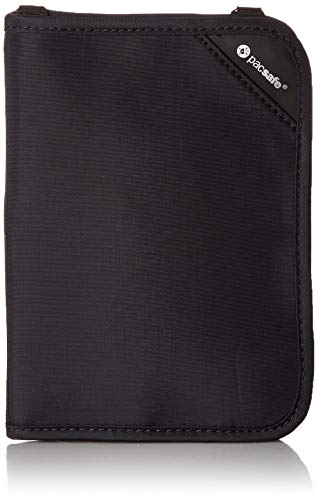
A conventional zippered wallet is usually the most direct choice when you want to open a case, show a passport, and retrieve cards from a bag or pocket. The Pacsafe RFIDsafe V150, Travelon RFID Blocking Passport Zip Wallet, VULKIT, and Zero Grid all use enclosed wallet formats. Their layouts differ: Pacsafe emphasizes dedicated organization, Travelon documents visible passport and ID sections, VULKIT adds phone and coin capacity, and Zero Grid focuses on a compact zippered case with extra sleeves.
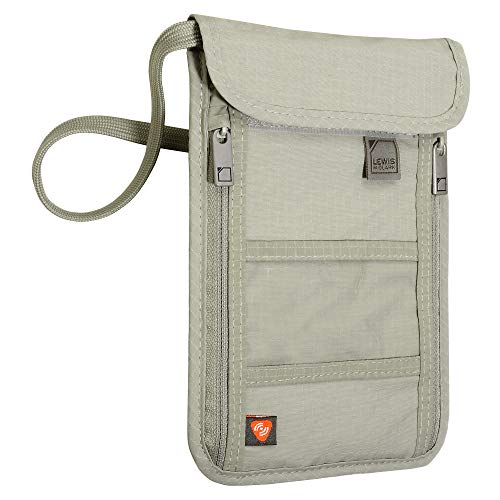
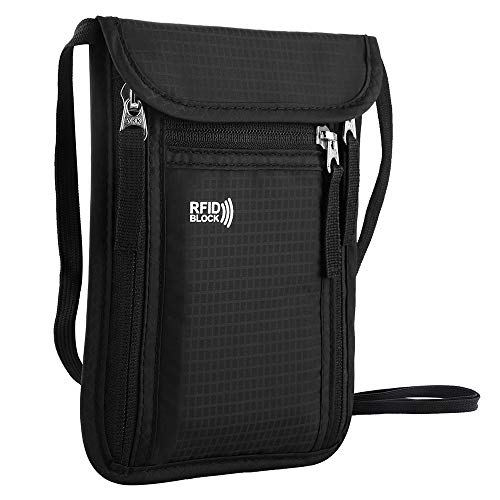
A neck pouch changes access and concealment. The Travelon Undergarment Neck Pouch and Lewis N. Clark Stash Neck Wallet are designed for wear around the neck, while KEAFOLS adds several zippered and concealed sections. Neck carry can keep documents close to the body, but the practical fit depends on what you place inside and how often you need to reach it. A thinner load is generally easier to manage in a pouch intended for under-clothing wear.
Waist-worn designs are more appropriate when you want a concealed body-carry system with room for documents and a phone. The VENTURE 4TH, Alpha Keeper, and Travelon Undergarment Waist Pouch document adjustable waist straps or belts. VENTURE 4TH and Alpha Keeper specifically describe phone storage, while the Travelon waist pouch emphasizes two zippered pockets and three drop pockets. Check the stated waist range where provided, especially if the wallet will be worn over another layer.
Check what the RFID claim actually covers
Look for the frequency or standard described in the listing rather than assuming every RFID statement means the same thing. Pacsafe states that its material meets the US FIPS 201 quality standard. Several other selected wallets describe RFID-blocking material without naming a frequency.
The supplied evidence describes protection for passports, payment cards, identity cards, or similar documents. That does not mean every wireless signal is blocked. Also consider how a card is stored: the RFID-blocking function applies to the wallet or its stated sleeves, while a card removed from the wallet is available for normal use.
Match storage to your documents
Passport capacity alone is not enough. If you carry a boarding pass, several cards, cash in multiple currencies, coins, an ID, and a phone, compare the internal layout carefully. Pacsafe offers six card slots, a passport holder, boarding-pass slip pocket, zippered sections, and a pen loop. Travelon includes a see-through passport pocket, ID window, coin pocket, and four card slots. VULKIT is the more general all-in-one option because the listing names smartphone, passport, cash, cards, and coins.
Zero Grid is more compact and clearly warns that larger smartphones may not fit. That kind of limitation is useful when choosing between a passport case and a broader travel organizer. Alpha Keeper documents a full-size passport and a smartphone up to iPhone 16 Pro Max, while VENTURE 4TH identifies smartphone storage without naming a model limit. If phone capacity is essential, use those statements as a starting point and verify the actual device dimensions before relying on the fit.
For flat items such as tickets, visas, and folded cash, Lewis N. Clark’s compartment approach is more relevant than a small front-pocket card wallet. KEAFOLS offers three zippered compartments, two inner pouches, and a rear pocket. Its layout may suit travelers who prefer to separate documents from cards, although a multi-pocket pouch can be less streamlined when lightly packed.
Consider closures and physical carry
Zippers enclose loose items and are common across the selected products. Pacsafe adds an external coin pocket and a detachable wire-reinforced strap. VULKIT combines a zipper with a detachable lanyard, key ring, and carabiner. Travelon uses zippered sections and adjustable straps, while KEAFOLS combines zippers with Velcro-covered pouches. These details matter when you move through transit areas, change bags, or need to keep a wallet attached rather than loose.
A strap is not interchangeable with a concealed body system. A neck strap is designed for suspended carry, a waist belt is designed to sit against the torso, and a carabiner is intended for attachment to a bag or similar point. Choose based on the access pattern you will actually use. A wallet with many attachment options can be flexible, but it may also include more hardware than someone carrying only a passport and two cards needs.
Review material and weather details
Several listings identify nylon, ripstop nylon, polyester, or synthetic leather. VULKIT and Alpha Keeper describe water-resistant materials, while Zero Grid mentions resistance to light rain, splashes, and moisture. VENTURE 4TH also identifies water-resistant ripstop nylon and states that it is not submersible. These statements support light-weather use only; they should not be interpreted as a waterproofing guarantee.
The backing and contact surfaces also affect wearability. Travelon and KEAFOLS identify soft or air-mesh elements, and VENTURE 4TH and Alpha Keeper describe breathable or moisture-wicking mesh. Those features are relevant to neck or waist carry because the wallet may rest against clothing or skin. For a standard zippered wallet carried in a bag, zipper layout and interior access may matter more than a mesh back.
Dimensions help distinguish a slim passport case from a body pouch, but listing measurements are not a substitute for checking the size of your own documents and phone. Travelon lists its passport zip wallet at 4.5 by 6 by 0.75 inches. Lewis N. Clark lists its neck wallet at about 7.5 by 5 inches, while the Travelon neck pouch is listed at 5.5 by 8 by 0.125 inches. VULKIT’s listed dimensions are approximately 6.38 by 4.53 by 1.18 inches.
Thickness can change quickly once compartments are filled. A wallet that appears slim when empty may become harder to conceal with coins, a phone, and multiple passports. For body-worn styles, prioritize the stated belt or strap fit and the items you will carry daily. For a bag-based style, compare the closed dimensions with the pocket or organizer section where it will live.
Final Recommendation
Pacsafe RFIDsafe V150 Passport Wallet ranks first overall in this specification-based comparison under the published weighted criteria.
Pacsafe RFIDsafe V150 Anti-theft Blocking Compact Passport Wallet is the highest-scoring returned product and the first overall specification-based choice. It documents RFID material meeting the US FIPS 201 quality standard, six card slots, a passport holder, boarding-pass storage, coin storage, and a wire-reinforced detachable strap. That combination gives it the most complete stated organization and carry-security package in this comparison.
The best rfid-blocking travel wallets still depend on personal carry preferences. Choose VULKIT if a phone, keys, coins, and a passport need to share one zippered case. Travelon’s passport wallet is suited to visible checkpoint organization, while Zero Grid is the more compact option when phone capacity is limited. For concealed carry, VENTURE 4TH and Alpha Keeper provide the clearest waist-oriented storage details. The Travelon neck pouch, Lewis N. Clark, and KEAFOLS cover different neck-worn layouts, from simple pockets to broader compartment separation.
Among the top rfid-blocking travel wallets, the deciding factors are not only the RFID wording but also whether the wallet fits the documents you carry, closes securely, and remains comfortable in the chosen position. Use the stated dimensions, pocket counts, strap details, and material descriptions to narrow the list before making a selection.
Frequently Asked Questions
What makes the best rfid-blocking travel wallets different from ordinary wallets?
The selected products are travel-oriented because their listings identify features such as passport storage, boarding-pass pockets, travel documents, concealed wear, or attachment hardware in addition to RFID-blocking construction. Ordinary card wallets may protect cards but may not provide room for a passport, travel papers, coins, or a phone.
Should I choose a passport wallet, neck pouch, or waist wallet?
Choose a passport wallet if you want a case carried in a bag or pocket and opened directly at checkpoints. Choose a neck pouch when suspended, close-to-body carry suits your itinerary. Choose a waist wallet when you want a concealed belt system and need room for items such as a phone, passport, and folded cash. The VULKIT, Travelon passport wallet, and Zero Grid represent enclosed cases; Travelon, Lewis N. Clark, and KEAFOLS represent neck formats; VENTURE 4TH and Alpha Keeper represent waist-oriented designs.
Will an RFID-blocking wallet block every wireless signal?
No universal claim should be assumed. The supplied listings describe RFID protection for specified cards, passports, or identification documents. Check the frequency and device type relevant to your cards before choosing.
How much can a travel wallet hold?
Capacity varies considerably. Pacsafe lists six card slots plus passport, boarding-pass, coin, and zippered storage. Travelon lists four card slots and a visible passport pocket. VULKIT names space for a smartphone, passport, cards, cash, and coins, while Zero Grid warns that larger smartphones may not fit. Body-worn pouches can hold several flat items, but overfilling may reduce comfort and concealment.
Are these wallets waterproof?
The supplied evidence supports only limited weather claims for selected models. VULKIT, Alpha Keeper, and VENTURE 4TH describe water-resistant materials, and Zero Grid mentions light rain, splashes, and moisture. VENTURE 4TH specifically says it is not submersible. Treat these descriptions as guidance for incidental moisture rather than proof of waterproof performance.