Buying Guide
Choosing the best silk knitting yarn starts with understanding how fiber content, yarn weight, and yardage affect your finished project. Silk brings a natural sheen, excellent drape, and temperature regulation that few other fibers match, but the right blend and weight depend on what you plan to make.
Fiber Purity and Blend Behavior
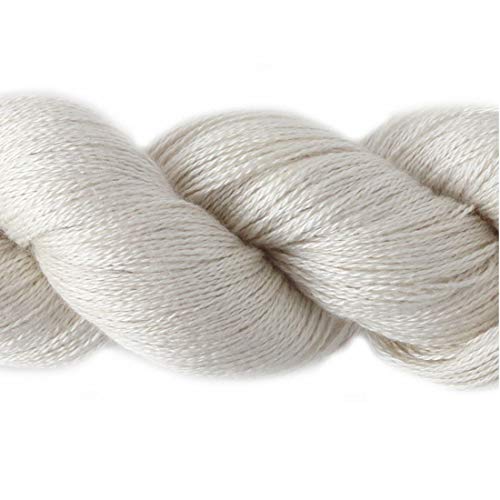
The pure silk options in this guide include Knitsilk 100% Mulberry Silk Lace Weight Yarn, Knitting for Olive Pure Silk Fingering Yarn, Revolution Fibers Regal Mulberry Silk Worsted, and the Revolution Fibers Mulberry Silk cones and skeins. Pure mulberry silk gives a consistent sheen and a fluid drape, which suits shawls, scarves, and lightweight tops. A higher silk share generally means more shine and drape, while mohair or alpaca add a soft halo around the stitches.
Yarn Weight and Project Match
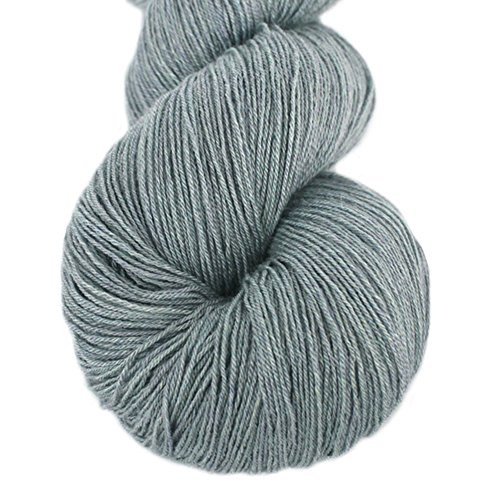
Silk knitting yarn comes in several weights that map to different projects. Fingering weight yarns such as Knitting for Olive Pure Silk Fingering Yarn and Lotus Yarns Silky Cashmere Fingering Yarn work well for fine sweaters and close-fitting accessories. Worsted weight pure silk such as Revolution Fibers Regal Mulberry Silk Worsted is rarer and useful when you want a heavier fabric with clear stitch definition.
Stitch Definition, Drape, and Halo
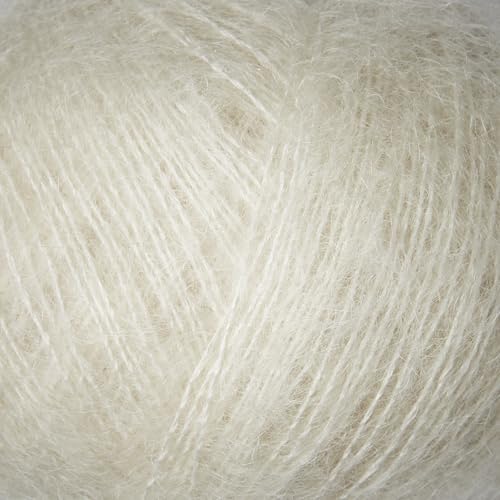
Silk-cashmere blends like Lotus Yarns Silky Cashmere Fingering Yarn deliver a smooth, soft surface that flatters cables and ribbing. When you want crisp stitch definition, choose a tightly plied silk or silk blend without a heavy halo. Malabrigo Baby Silkpaca Lace Yarn and Malabrigo Silkpaca Lace 857 Light of Love show how an alpaca-silk blend produces a softer surface with gentle bloom.
Yardage per skein ranges from 225 m in Knitting for Olive Soft Silk Mohair Yarn to 6,000 yards in the Revolution Fibers Mulberry Silk 1lb Cone Lace. A 50 g skein of lace weight typically holds 200 to 500 yards, which is enough for a small shawl but may require multiple skeins for larger projects. Cone formats offer the highest yardage for big lace pieces, weaving warps, or hand-dye studios, while single skeins are easier to store and start with.
Care and Crafting Suitability
Nearly every silk knitting yarn in this guide calls for hand washing and flat drying. Look for documented care instructions and recommended needle or hook sizes to plan your gauge swatch. Revolution Fibers Recycled Sari Silk Yarn shows how silk can also suit bags, statement scarves, and mixed-media craft projects beyond standard garments.
Final recommendation
Knitting for Olive Pure Silk Fingering Yarn ranks first overall in this specification-based comparison under the published weighted criteria.
For an overall specification-based choice, the Knitsilk 100% Mulberry Silk Lace Weight Yarn stands out as a single-fiber silk with documented yardage and a stated needle range that covers multiple craft uses. It captures what most knitters look for in the best silk knitting yarn: pure fiber content, a workable gauge, and clear care information.
If you prefer a heavier project, Revolution Fibers Regal Mulberry Silk Worsted is the only worsted weight pure silk in this set, giving you a rare option for sweaters and textured accessories. For warm, haloed lace, Knitting for Olive Soft Silk Mohair Yarn offers documented Oeko-Tex certification and a stated gauge that suits held-with patterns. For cashmere softness paired with silk shine, Lotus Yarns Silky Cashmere Fingering Yarn is a strong match. Across the list, the top silk knitting yarn for any project depends on whether you want pure fiber shine, blended halo, or a heavier fabric with clear stitches. The Knitsilk 100% Mulberry Silk Lace Weight Yarn remains the headline specification-based pick for pure-fiber lace work.
Frequently Asked Questions
What makes the best silk knitting yarn for shawls?
For shawls, look for lace or fingering weight yarns with a high silk share. Pure mulberry silk options like Knitsilk 100% Mulberry Silk Lace Weight Yarn and Knitting for Olive Pure Silk Fingering Yarn highlight lace patterns and provide drape, while silk-mohair blends such as Knitting for Olive Soft Silk Mohair Yarn add a soft halo.
Are pure silk yarns harder to knit with than silk blends?
Pure mulberry silk can feel slick on the needles, especially in a fine weight. Knitsilk 100% Mulberry Silk Lace Weight Yarn and Revolution Fibers Mulberry Silk Lace 100g Skein both call for finer needles, so a smooth metal needle and a careful gauge swatch help. Silk blends with mohair, alpaca, or cashmere tend to grip a bit more and may feel easier on the needles.
Can I use silk knitting yarn for projects other than shawls?
Yes. Silk knitting yarn works well for tops, lightweight sweaters, scarves, and even weaving. Revolution Fibers Recycled Sari Silk Yarn and the Revolution Fibers Mulberry Silk 1lb Cone Lace both list knitting, crocheting, and weaving in their documented uses, while Revolution Fibers Regal Mulberry Silk Worsted is suited to garments and textured accessories.
How do I care for silk knitting yarn finished projects?
Most silk knitting yarn in this guide specifies hand washing in cool or lukewarm water and laying items flat to dry. Knitting for Olive Pure Silk Fingering Yarn, Knitting for Olive Soft Silk Mohair Yarn, and Malabrigo Baby Silkpaca Lace Yarn all document gentle hand-wash care, which helps preserve sheen and stitch definition over time.
Which yarn weight of silk is best for beginners?
A fingering weight yarn such as Knitting for Olive Pure Silk Fingering Yarn or Lotus Yarns Silky Cashmere Fingering Yarn is often easier to manage than a very fine lace weight. The heavier weight makes stitches easier to see and adjust, while still keeping the silk sheen and drape that define the best silk knitting yarn.